

What is Sawdust Wood Chip Pneumatic Conveying? Introduction to the Working Principle of Powder Handl
Understanding the fundamentals of sawdust and wood chip pneumatic conveying is crucial for industries dealing with bulk powder materials. This article provides an in-depth look at the working principles of such systems, highlighting the technology's efficiency and versatility in material handling. The focus will be on the core mechanisms that enable the transport of fine wood-based powders through air, as well as the key components that make these systems effective.
Introduction to Pneumatic Conveying Systems
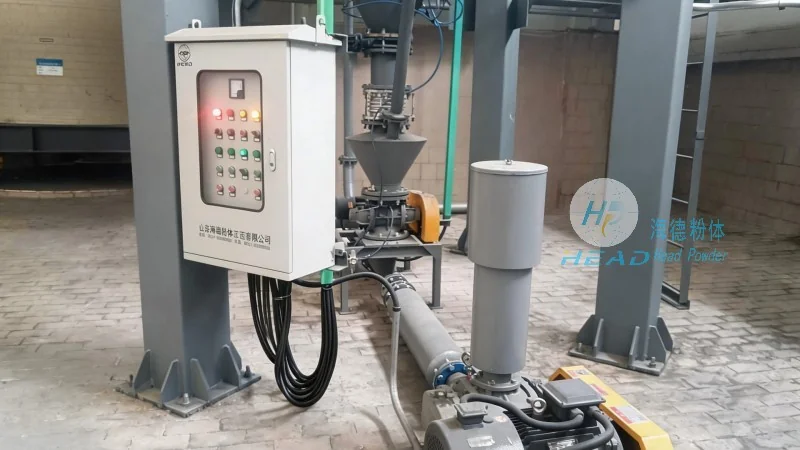
Pneumatic conveying, or air-assisted transport, is a method used to move dry bulk materials like sawdust and wood chips from one location to another using a stream of air. Unlike traditional mechanical systems, which rely on belts, screws, or buckets, pneumatic systems utilize compressed air to create a flow that propels the material through pipes or ducts. This approach offers several advantages, including reduced equipment wear, lower maintenance costs, and the ability to handle materials that are difficult to transport with mechanical means. For industries processing wood waste, such as sawmills and wood processing facilities, pneumatic conveying is a preferred solution due to its adaptability and efficiency.
About HeadPowder: Experts in Powder Handling Solutions
HeadPowder, a leading manufacturer of powder handling equipment, specializes in designing and supplying pneumatic conveying systems tailored to the needs of wood processing industries. With years of experience in the field, HeadPowder has developed advanced solutions that optimize the transport of sawdust and wood chips while ensuring minimal material degradation and maximum system efficiency. The company's commitment to quality and innovation has made it a trusted partner for businesses seeking reliable and effective material handling solutions. HeadPowder's systems are engineered to meet the specific requirements of each client, whether it's for short-distance or long-distance transport, high or low pressure applications, or handling materials with varying moisture content and particle sizes.
The Working Principle of Sawdust and Wood Chip Pneumatic Conveying
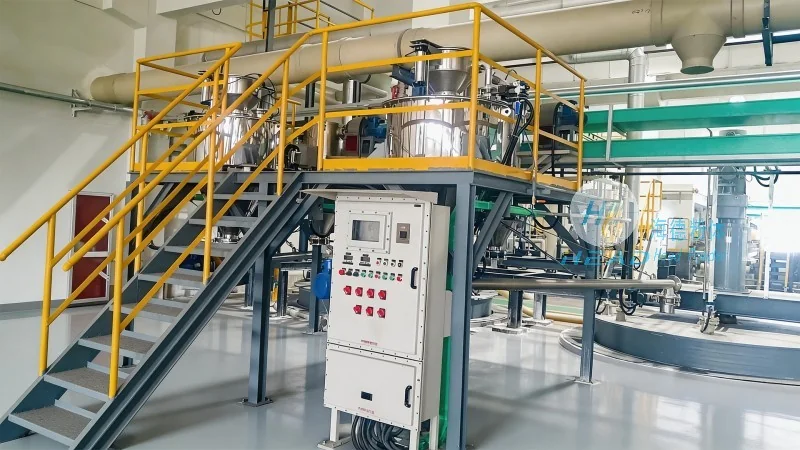
The core of a pneumatic conveying system involves the generation of a high-velocity air stream that entrains the material particles. In a typical system, the process begins with the material being fed into a hopper or feeder. From there, the material is introduced into a pipeline where it is mixed with compressed air. The air velocity is maintained at a level sufficient to keep the particles suspended and moving through the system. The system can operate in either positive pressure or negative pressure modes, depending on the application and the distance the material needs to travel. Positive pressure systems use air to push the material forward, while negative pressure systems use suction to draw the material through the system. Both modes have their advantages, and the choice depends on factors such as the material's properties, the distance to be covered, and the system's layout.
Key Components of a Pneumatic Conveying System
A pneumatic conveying system for sawdust and wood chips consists of several critical components that work in tandem to ensure smooth operation. The main components include a feeder or hopper to control the material flow, a compressor or blower to generate the necessary air pressure, a pipeline network to transport the material, and a receiver or discharge unit to collect the material at the destination. Additionally, the system may include accessories such as filters to remove dust from the air, valves to control the flow, and sensors to monitor system performance. Each component plays a vital role in maintaining the efficiency and reliability of the entire system. For example, the feeder ensures a consistent material feed rate, while the compressor provides the required air pressure to move the material. The pipeline design is crucial as it affects the air velocity and pressure drop, which in turn impact the system's capacity and efficiency.
Advantages of Pneumatic Conveying for Wood-Based Materials
When compared to other material handling methods, pneumatic conveying offers several benefits for transporting sawdust and wood chips. One of the primary advantages is the ability to handle materials with high moisture content or fine particle sizes without causing degradation or clogging. Mechanical systems may struggle with such materials, leading to increased maintenance and downtime. Pneumatic systems, on the other hand, can handle these materials effectively, ensuring consistent performance. Another advantage is the reduced risk of cross-contamination, as the material is enclosed within the pipeline, preventing exposure to external elements. This is particularly important in industries where hygiene and product purity are critical. Furthermore, pneumatic conveying systems are relatively compact and can be installed in tight spaces, making them suitable for facilities with limited floor space. The flexibility of the system allows for easy integration with existing production lines, minimizing disruption during installation and operation.
Applications and Use Cases
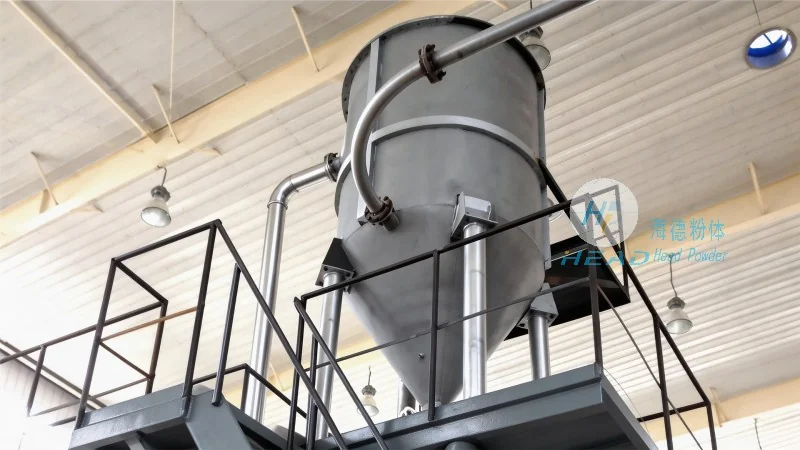
Sawdust and wood chip pneumatic conveying systems are widely used in various applications across the wood processing industry. One common application is the transport of sawdust from the cutting and milling operations to storage silos or processing units. This allows for efficient material flow from the production line to the next stage of processing, such as drying or pelletizing. Another application is the transfer of wood chips from the debarking and chipping stages to the drying or storage areas. In these cases, the system helps maintain a continuous production process by ensuring that materials are moved quickly and reliably. Additionally, pneumatic conveying is used in the production of wood-based panels, such as particleboard and MDF, where sawdust and wood chips are transported to the mixing and molding units. The ability to handle large volumes of material at high speeds makes pneumatic systems ideal for these applications, contributing to increased productivity and reduced labor costs.
Conclusion and Future Outlook
In conclusion, sawdust and wood chip pneumatic conveying is a highly effective method for transporting bulk wood-based materials. The technology offers numerous advantages over traditional mechanical systems, including reduced wear and tear, lower maintenance costs, and the ability to handle materials with varying properties. HeadPowder, with its expertise in powder handling solutions, provides reliable and efficient pneumatic conveying systems that meet the specific needs of wood processing industries. As the demand for sustainable wood products grows, the importance of efficient material handling systems will continue to increase. Pneumatic conveying systems will remain a key component in the supply chain, enabling industries to process wood waste effectively and sustainably. By investing in advanced pneumatic conveying technology, businesses can improve their operational efficiency, reduce costs, and contribute to a more sustainable future for the wood industry.