

Working Principle and Features of Gravel Pneumatic Conveying Equipment
Gravel, a type of lightweight aggregate, is widely used in construction, landscaping, and industrial applications due to its excellent thermal insulation properties and structural benefits. Efficient and reliable transportation of gravel from storage to processing or construction sites is crucial for maintaining production efficiency and reducing operational costs. Pneumatic conveying equipment offers a solution to this challenge by utilizing air pressure to move bulk materials like gravel through pipelines. This article explores the working principle and key features of gravel pneumatic conveying equipment, providing insights into its functionality and advantages.
Working Principle of Gravel Pneumatic Conveying Systems
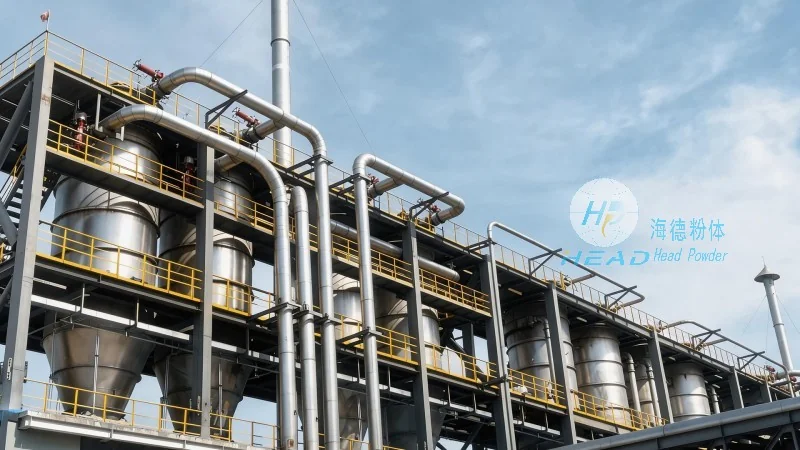
The core mechanism of gravel pneumatic conveying involves the use of a blower or compressor to generate airflow within a closed pipeline system. The process typically operates under two main modes: dilute phase and dense phase. In dilute phase conveying, the material is suspended in the air stream and transported at relatively high velocities, often exceeding 20 m/s. This method is suitable for short to medium distance transport and low to medium material loads. In contrast, dense phase conveying uses lower air velocities and higher material concentrations, ensuring a more controlled and gentle transport of the gravel, which is beneficial for delicate or abrasive materials.
The system consists of several key components: a material feeder, a blower or air compressor, a pipeline network, a control system, and a discharge unit. The material feeder, such as a hopper or rotary valve, feeds the gravel into the pipeline at a controlled rate. The blower then creates a pressure differential, drawing air and material through the pipeline. The control system monitors and adjusts the airflow and material feed rate to maintain optimal conveying conditions. The discharge unit, often a rotary valve or a venturi, releases the gravel at the destination point, ensuring a smooth and continuous flow.
Key Features and Advantages of Gravel Pneumatic Conveying Equipment
Gravel pneumatic conveying equipment offers several advantages over traditional mechanical conveying methods. Firstly, it eliminates the need for moving parts in the conveying line, reducing maintenance requirements and extending equipment lifespan. Secondly, the enclosed pipeline system prevents dust and contamination, maintaining the quality of the gravel and ensuring a clean working environment. Thirdly, the system can handle a wide range of material sizes and moisture contents, making it versatile for various applications. Additionally, pneumatic conveying allows for flexible layout designs, as the pipeline can be installed in different directions and locations, adapting to the site's constraints.
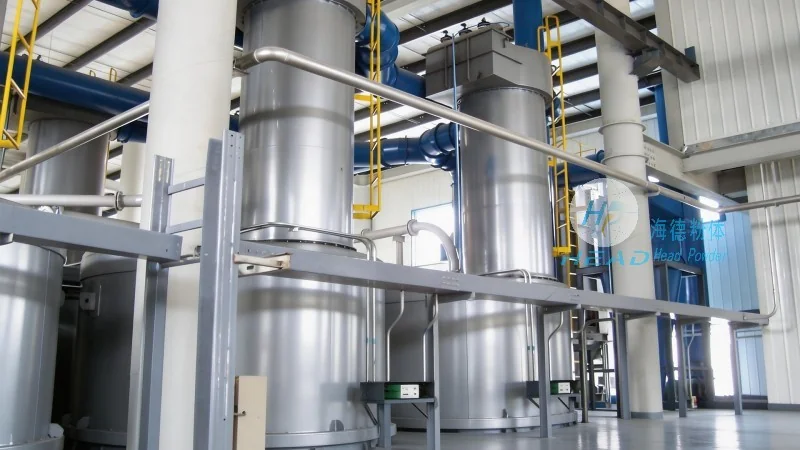
Another significant advantage is the ability to transport gravel over long distances with minimal energy consumption. The air pressure system efficiently moves the material without the need for heavy machinery or labor-intensive manual handling. This not only reduces operational costs but also enhances safety by minimizing human exposure to heavy lifting and material handling tasks. The system's adaptability to different operational conditions, such as varying material loads or changes in site layout, further adds to its practicality.
Technical Specifications and Application Scenarios
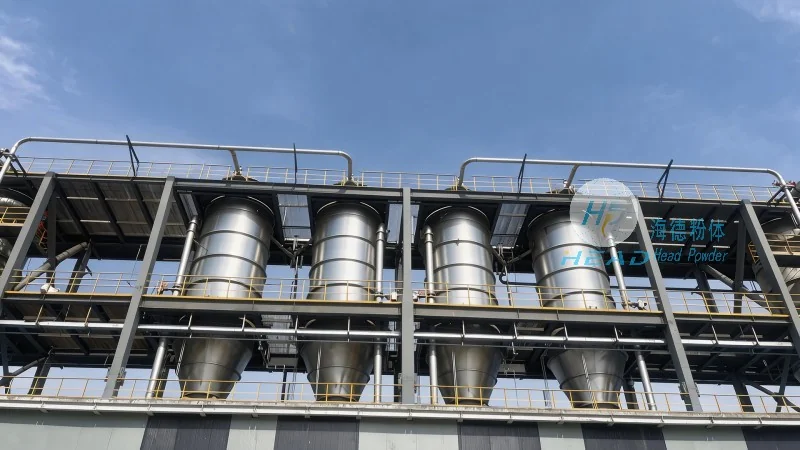
The technical specifications of gravel pneumatic conveying equipment vary based on the specific requirements of the application. Key parameters include the conveying capacity, which can range from a few tons per hour to several hundred tons per hour, depending on the system size and air pressure. The pipeline diameter and length also influence the system's performance, with larger diameters and longer lengths requiring higher air pressure and more powerful blowers.
Common application scenarios for gravel pneumatic conveying include:
- Construction sites: transporting gravel from storage silos to mixing plants or concrete production lines.
- Landscaping projects: moving gravel for garden bed preparation or decorative landscaping.
- Industrial processes: conveying gravel as a raw material in manufacturing processes, such as the production of lightweight concrete or insulation materials.
- Waste management: transporting recycled gravel or construction debris to recycling facilities.
The system's ability to handle abrasive materials without significant wear and tear on the pipeline or components makes it suitable for long-term, high-volume operations. The control system's precision in regulating airflow and material feed ensures consistent performance, reducing downtime and improving overall productivity.
Company Profile: Shandong HeadPowder Engineering Co., Ltd.
Shandong HeadPowder Engineering Co., Ltd., a leading manufacturer in the field of bulk material handling equipment, specializes in designing and manufacturing high-quality gravel pneumatic conveying systems. With years of experience and a commitment to innovation, the company has developed advanced solutions that meet the diverse needs of the construction, landscaping, and industrial sectors.
HeadPowder's team of engineers and technicians focuses on understanding the unique challenges of each application, providing customized solutions that optimize material transport efficiency and reduce operational costs. The company adheres to strict quality control standards, ensuring that all equipment meets international safety and performance requirements. With a strong presence in China and a growing international market, HeadPowder continues to be a trusted partner for businesses seeking reliable and efficient bulk material handling solutions.