

What is Biomass Pneumatic Conveying? An Introduction to the Working Principle of Powder Handling Sys
HeadPowder, a leading manufacturer based in Shandong, China, specializes in the design and development of advanced powder handling solutions. Biomass pneumatic conveying is a critical technology within this field, enabling the efficient transport of bulk materials like biomass powders, granules, and other fine particles. This article provides a detailed overview of the working principles behind biomass pneumatic conveying systems, highlighting how they operate to ensure reliable and efficient material transport.
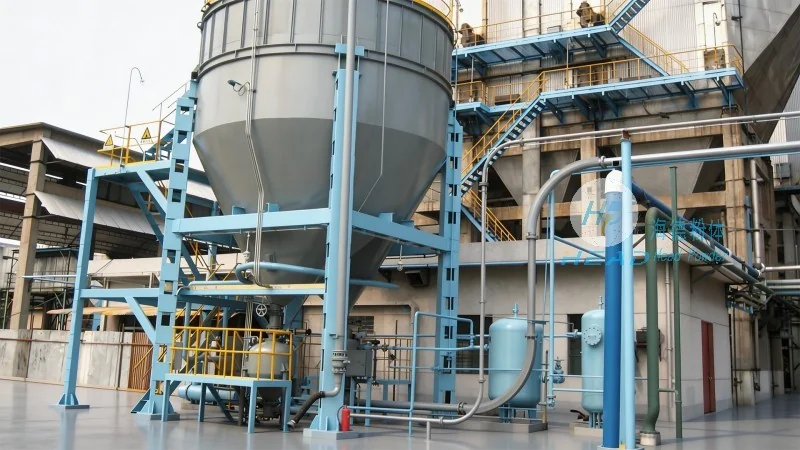
Biomass pneumatic conveying systems utilize air or other gases as the primary medium to move solid materials through a pipeline network. The core components of such a system typically include a material feed hopper, a conveyor line (often equipped with a pressure vessel or vacuum pump), and a discharge outlet. The process begins with the material being fed into the hopper, where it is then introduced into the conveyor line under controlled pressure or vacuum conditions. As the material travels through the pipeline, it is carried by the moving air stream, which can be either positive pressure (blowing air into the line) or negative pressure (sucking air out of the line). This method allows for the seamless transport of materials over long distances and varying elevations, making it ideal for applications in biomass processing, food processing, and other industries that require the handling of fine powders.
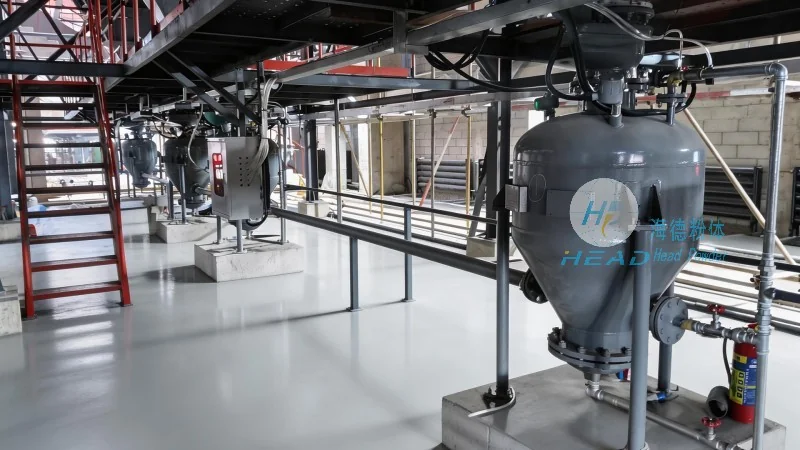
The working principle of biomass pneumatic conveying can be further broken down into two main categories: pressure and vacuum systems. In a pressure system, a blower or compressor generates high-pressure air that pushes the material through the pipeline. This approach is commonly used for short to medium distance transport and is particularly effective for materials that are prone to caking or agglomeration. Conversely, vacuum systems use a vacuum pump to create a low-pressure environment that draws the material into the pipeline. Vacuum systems are often preferred for longer distances or when dealing with materials that are light and easily suspended in the air stream. Both systems rely on the principles of fluid dynamics and particle mechanics to ensure that the material is transported efficiently without excessive wear on the equipment.
Key components of a biomass pneumatic conveying system include the material feed mechanism, which ensures a consistent flow of material into the system; the air handling unit, which controls the pressure or vacuum levels; and the pipeline network, which is typically made of materials like stainless steel or plastic to prevent corrosion and material buildup. The choice of system (pressure or vacuum) depends on factors such as the material characteristics, distance to be covered, and the required flow rate. For example, in biomass processing facilities, where large quantities of wood chips or sawdust are processed, pressure systems are often preferred due to their ability to handle high material loads and maintain consistent flow rates.
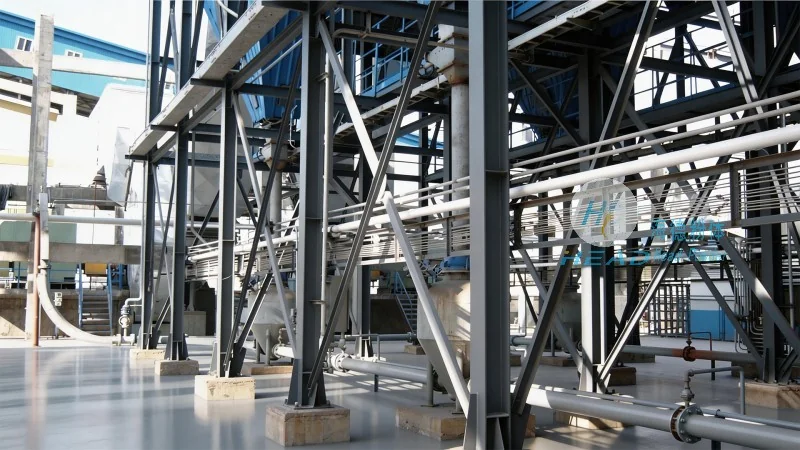
Efficiency and reliability are paramount in biomass pneumatic conveying systems. Proper design and maintenance of the components, such as the air filters and pipeline seals, are crucial to prevent material loss and ensure that the system operates within optimal parameters. HeadPowder, with its extensive experience in powder handling technology, offers customized solutions tailored to the specific needs of each client. Whether it's a small-scale operation or a large industrial facility, their systems are engineered to meet the highest standards of performance and durability. By understanding the working principles of biomass pneumatic conveying, industries can make informed decisions about the most suitable equipment for their material transport needs, ultimately improving operational efficiency and reducing costs.