When it comes to the efficient and safe handling of sodium chlorate, pneumatic conveying systems offer a reliable solution. As a leading provider in the industry, Shandong HeadPowder Engineering Co., Ltd. specializes in designing and manufacturing advanced pneumatic conveying solutions tailored to the unique needs of sodium chlorate applications. This article explores the various types of sodium chlorate pneumatic conveying systems, their key characteristics, and the diverse application ranges where they excel.
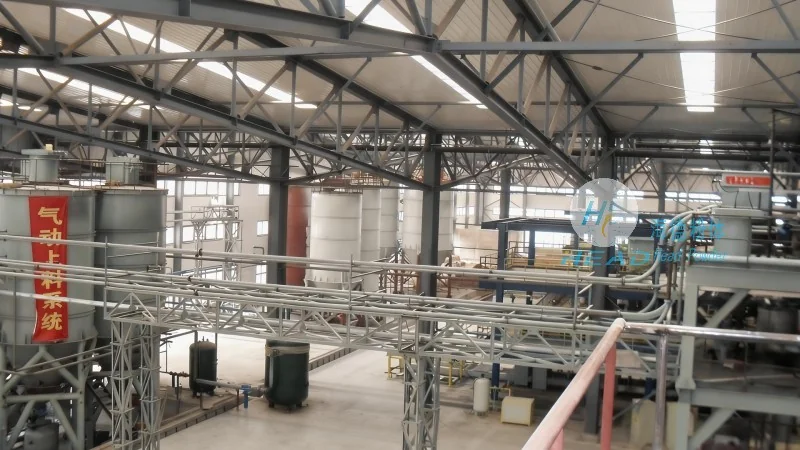
Understanding Sodium Chlorate Pneumatic Conveying Systems
Sodium chlorate is a chemical compound widely used in industrial processes, and its handling requires specialized equipment to ensure safety and efficiency. Pneumatic conveying systems transport sodium chlorate particles through a pipeline using air or other gases as the conveying medium. These systems are preferred for their ability to handle abrasive materials, minimize dust generation, and maintain a closed system, reducing environmental impact and workplace hazards.
Types of Sodium Chlorate Pneumatic Conveying
There are primarily two types of pneumatic conveying systems used for sodium chlorate: dilute-phase and dense-phase. Each type has distinct characteristics and is suitable for different operational conditions.
Dilute-Phase Pneumatic Conveying
Dilute-phase systems operate by moving particles in a low concentration within the conveying air. This method is ideal for short to medium-distance transport and is often used when the material is non-abrasive or when high throughput is required. The system uses high-velocity air to entrain the particles, ensuring smooth and continuous flow. For sodium chlorate, dilute-phase conveying is suitable for applications where the material is transported from storage silos to processing units or between different stages of production.
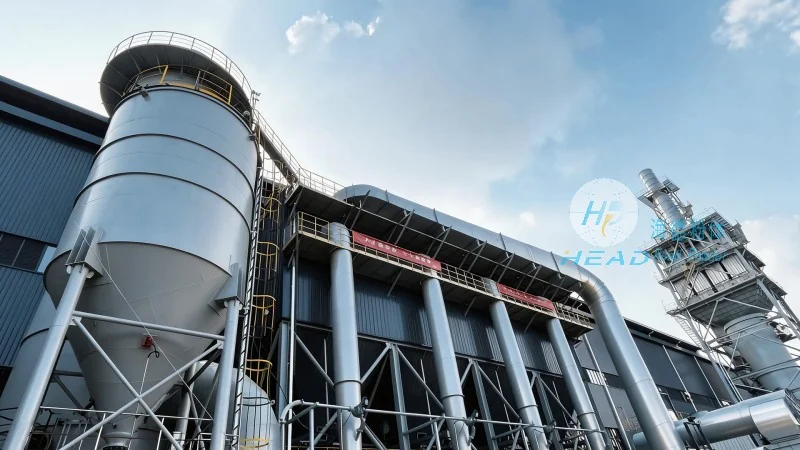
Dense-Phase Pneumatic Conveying
Dense-phase systems, also known as low-velocity or pressure conveying, transport particles at a higher concentration, typically in a slurry-like state. This method is preferred for longer distances or when the material is highly abrasive or sensitive to air exposure. The system uses lower air velocities and higher pressure to move the material, reducing wear on equipment and minimizing particle degradation. Dense-phase conveying is particularly effective for sodium chlorate applications that involve transporting material from large storage facilities to distant processing plants or for handling materials that require gentle handling to maintain quality.
Key Features of Sodium Chlorate Pneumatic Conveying
Regardless of the type, sodium chlorate pneumatic conveying systems share several key features that enhance their performance and safety. These features include:
- Closed System Design: The entire conveying process is enclosed, preventing dust and chemical exposure, which is crucial for sodium chlorate due to its potential hazards.
- Low Maintenance Requirements: Advanced materials and robust construction reduce the need for frequent repairs, ensuring consistent operation and minimizing downtime.
- Energy Efficiency: Optimized air flow and pressure control help reduce energy consumption compared to traditional mechanical conveying methods.
- Customizable Solutions: Systems can be tailored to specific process requirements, including varying particle sizes, flow rates, and distance needs.
Application Ranges of Sodium Chlorate Pneumatic Conveying
Sodium chlorate pneumatic conveying systems are versatile and find applications across various industries. The primary use of sodium chlorate is in the production of chlorine dioxide, which is used for water treatment, pulp and paper processing, and bleaching. Pneumatic conveying systems are integral to these processes, ensuring the safe and efficient transport of sodium chlorate from storage to the reaction units.
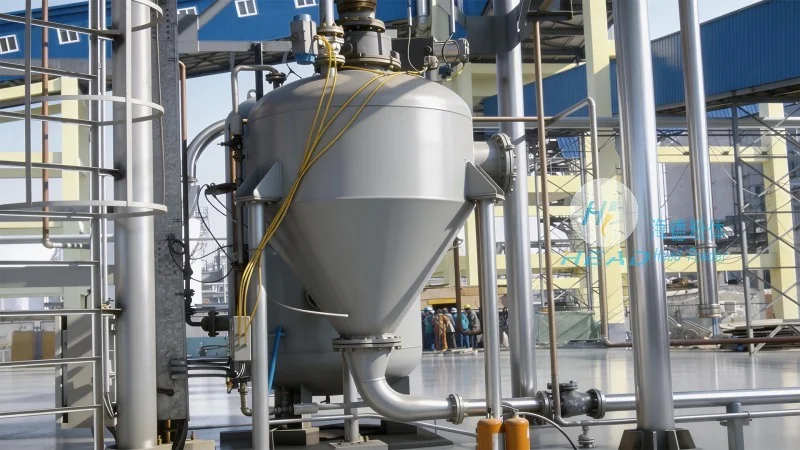
In the chemical industry, these systems are used for transporting sodium chlorate in the manufacturing of other chemicals, such as chlorates and perchlorates. The ability to handle abrasive materials and maintain a closed environment makes them suitable for these applications.
Additionally, sodium chlorate is used in the textile industry for bleaching and in the mining sector for ore processing. Pneumatic conveying systems are employed to transport the chemical to these processing facilities, ensuring consistent supply and minimizing handling risks.
Conclusion
Shandong HeadPowder Engineering Co., Ltd. provides comprehensive solutions for sodium chlorate pneumatic conveying, combining advanced technology with industry expertise. Whether you need a dilute-phase or dense-phase system, our customized solutions ensure efficient, safe, and reliable transport of sodium chlorate. By leveraging our experience and innovative designs, we help industries optimize their sodium chlorate handling processes, enhancing productivity and reducing operational risks.




