When designing a zinc powder pneumatic conveying system, several critical factors must be carefully evaluated to ensure efficiency, reliability, and safety. This article outlines key design considerations that are essential for the successful implementation of such systems, with a focus on the expertise and solutions provided by Shandong HeadPowder Engineering Co., Ltd., a leading provider in the field.
System Selection and Material Compatibility
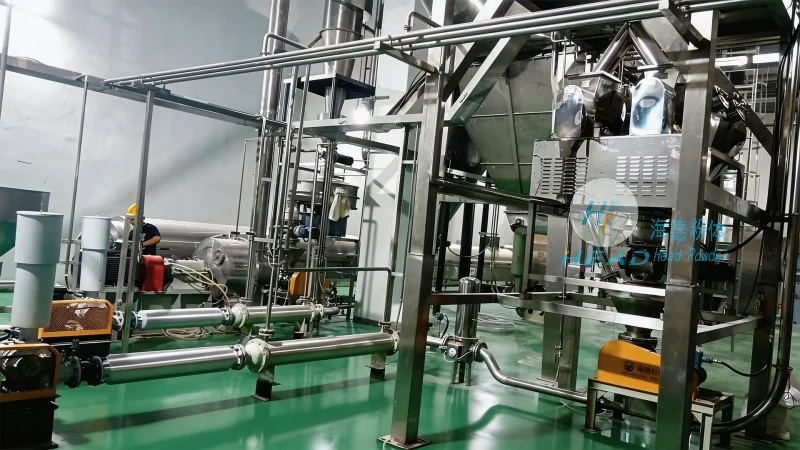
Choosing the appropriate system type is the first step in designing an effective zinc powder conveying system. Pneumatic conveying systems can be categorized into pressure and vacuum types, each with distinct applications. For zinc powder, which is often used in industrial processes like galvanizing and chemical manufacturing, pressure systems are commonly preferred due to their ability to handle abrasive and corrosive materials. The selection of the right system type depends on factors such as the distance of material transport, the required flow rate, and the nature of the powder. At HeadPowder, our engineers conduct thorough assessments to determine the optimal system configuration, ensuring that the chosen method aligns with the client's operational needs and material characteristics.
Equipment Selection and Component Design
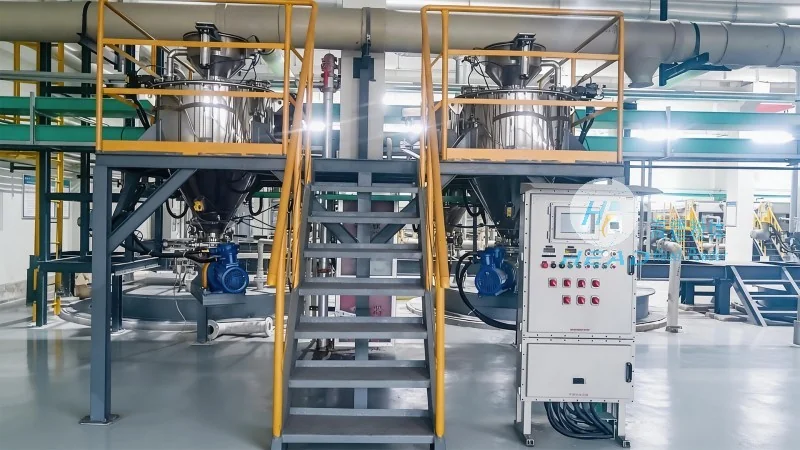
The performance of a zinc powder pneumatic conveying system is heavily influenced by the quality and design of its components. Key equipment includes the hopper, feeder, pipeline, and receiver. The hopper must be designed to prevent material bridging and segregation, which are common issues with fine powders like zinc. Our company utilizes advanced hopper designs with proper venting and discharge mechanisms to maintain consistent material flow. The feeder, typically a rotary valve or a screw feeder, must be selected to handle the specific bulk density and flow characteristics of zinc powder. The pipeline material is critical, as zinc powder can be corrosive and abrasive. Stainless steel or specialized alloys are often recommended to withstand the wear and chemical exposure. The receiver, where the material is deposited, should be equipped with proper dust collection and venting systems to prevent re-entrainment and ensure environmental compliance.
Material Handling and Flow Control
Effective flow control is essential to prevent issues such as blockages, surging, and pressure drops in the conveying system. The design of the hopper and feeder must account for the powder's flow properties, including its angle of repose and compressibility. HeadPowder employs advanced flow control technologies, such as air-swept hoppers and variable-speed feeders, to maintain stable material flow rates. Additionally, the pipeline layout and diameter are carefully considered to minimize pressure losses and ensure smooth material transport. Properly sized and positioned elbows and bends are crucial to avoid turbulence and particle separation, which can lead to system inefficiencies. Our engineering team uses computational fluid dynamics (CFD) simulations to optimize the pipeline design and predict flow behavior under different operating conditions.
Safety and Environmental Considerations
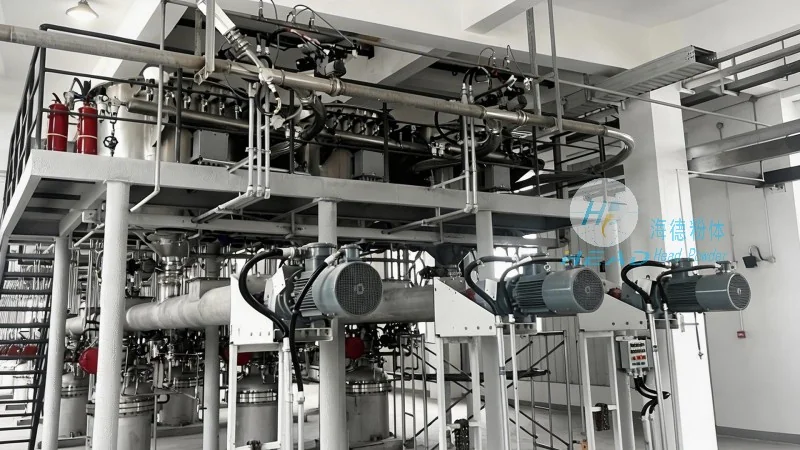
Due to the potential hazards associated with zinc powder, such as dust explosions and respiratory risks, safety and environmental compliance are paramount in system design. The system must be equipped with explosion-proof components and proper dust collection systems to mitigate fire and explosion risks. Ventilation and dust suppression measures are implemented to protect personnel and the environment. At HeadPowder, we adhere to international safety standards and regulations, ensuring that all systems are designed and manufactured to meet or exceed industry requirements. Our solutions include features like spark detection and suppression systems, as well as regular maintenance protocols to ensure ongoing safety and operational reliability.
Integration with Existing Facilities
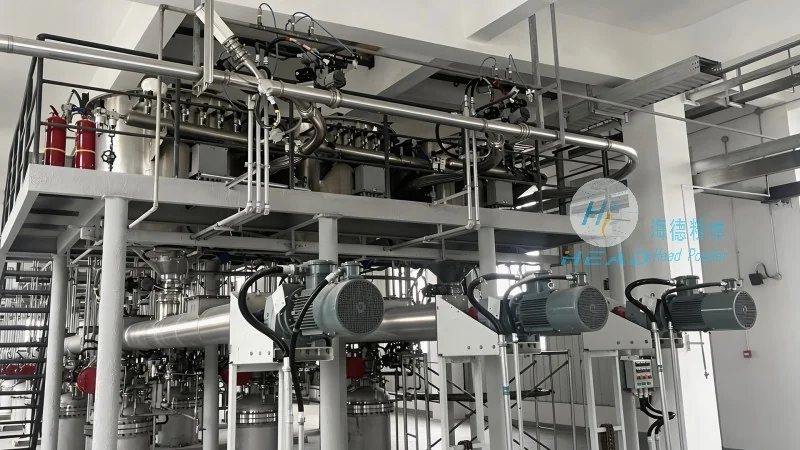
For many industrial applications, integrating a new zinc powder pneumatic conveying system with existing infrastructure is necessary. This requires careful planning to ensure compatibility with current processes, equipment, and space constraints. HeadPowder's engineers work closely with clients to assess the existing layout and operational parameters, developing a customized integration plan. This may involve modifying existing hoppers, adjusting pipeline routes, or coordinating with other process units. The goal is to minimize disruption to ongoing operations while maximizing the efficiency of the new system. Our company provides comprehensive support throughout the integration process, from initial design and installation to post-commissioning optimization.
Maintenance and Long-Term Reliability
Ensuring the long-term reliability of a zinc powder pneumatic conveying system requires a focus on maintenance and durability. Regular maintenance is essential to prevent component wear and system failures. HeadPowder recommends routine inspections of critical components, such as the feeder, pipeline, and receiver, to identify and address potential issues before they become major problems. The use of high-quality materials and robust design features contributes to the system's longevity. Additionally, our team offers maintenance services and spare parts support to ensure that clients can keep their systems operational with minimal downtime. By prioritizing maintenance and using durable components, the system's performance and lifespan are significantly enhanced, providing a cost-effective solution for zinc powder handling over the long term.




