Shandong HeadPowder Engineering Co., Ltd., commonly known as HeadPowder, is a leading provider of industrial material handling and automation solutions. With a strong focus on innovation and customer-centric design, the company specializes in developing advanced systems for the efficient processing of bulk materials. HeadPowder’s expertise lies in creating integrated solutions that combine pneumatic conveying technology with automated feeding mechanisms, tailored to meet the specific demands of modern industrial applications. The Sintered Ash Pneumatic Conveying and Automatic Feeding System is a prime example of such a solution, engineered to address the unique challenges associated with handling sintered ash—a byproduct commonly generated in steelmaking and other metallurgical processes.
Key Features and Technical Specifications
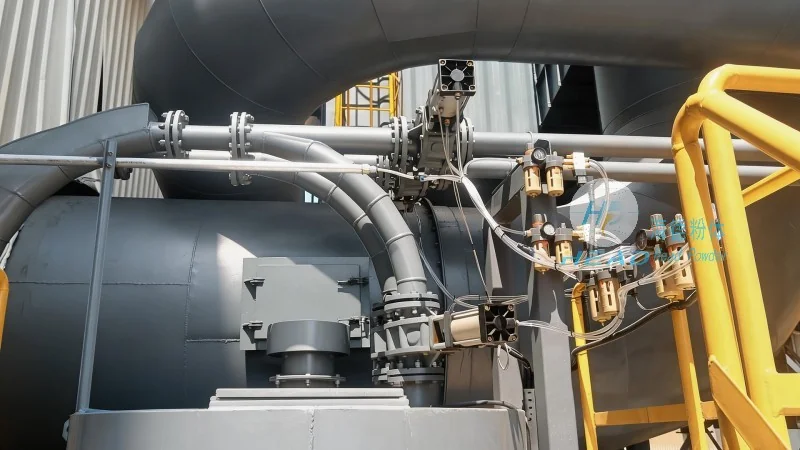
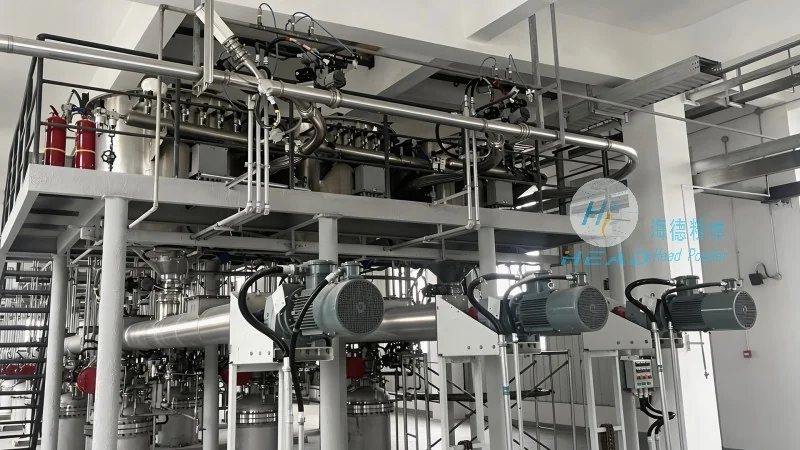
The Sintered Ash Pneumatic Conveying and Automatic Feeding System is designed to deliver reliable, high-performance material transport and precise dosing. At its core, the system utilizes advanced pneumatic conveying technology, which enables the safe and efficient movement of sintered ash from storage silos or processing units to downstream equipment such as furnaces or reactors. The system incorporates high-capacity air movers, such as rotary lobe blowers or positive displacement pumps, ensuring consistent airflow and pressure to maintain optimal conveying rates. Additionally, the design incorporates dust collection and filtration components to minimize environmental impact and comply with industrial emission standards.
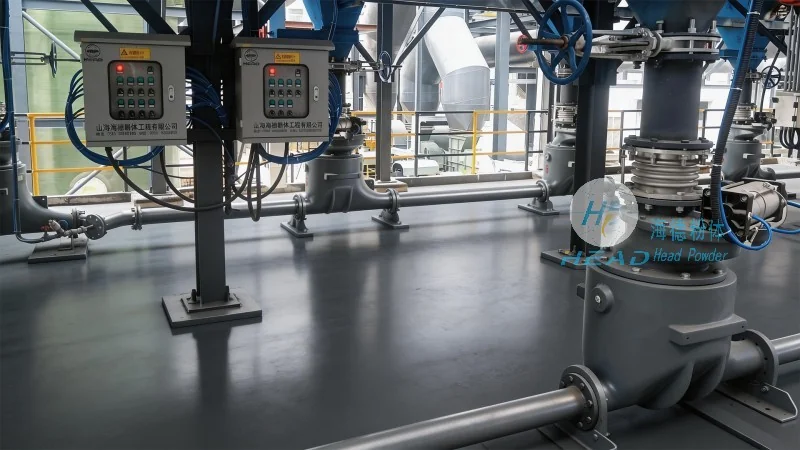
For the automatic feeding portion, the system employs precision gravimetric or volumetric feeders, often integrated with load cells and control software. These components allow for accurate measurement and dispensing of sintered ash, ensuring consistent material flow to production lines. The feeders are equipped with adjustable speed controls and real-time monitoring capabilities, enabling operators to fine-tune the feeding rate based on process requirements. This level of control not only enhances product quality but also reduces waste and operational costs.
Benefits and Advantages
Implementing the Sintered Ash Pneumatic Conveying and Automatic Feeding System offers numerous benefits for industrial facilities. Firstly, the system significantly improves operational efficiency by automating the material handling process, reducing the need for manual intervention and labor. The automated feeding mechanism ensures consistent material delivery, which is critical for maintaining stable production conditions and preventing equipment downtime. Secondly, the pneumatic conveying technology minimizes material degradation and contamination, as it avoids direct contact with mechanical components and reduces the risk of dust exposure compared to traditional belt or screw conveyors.
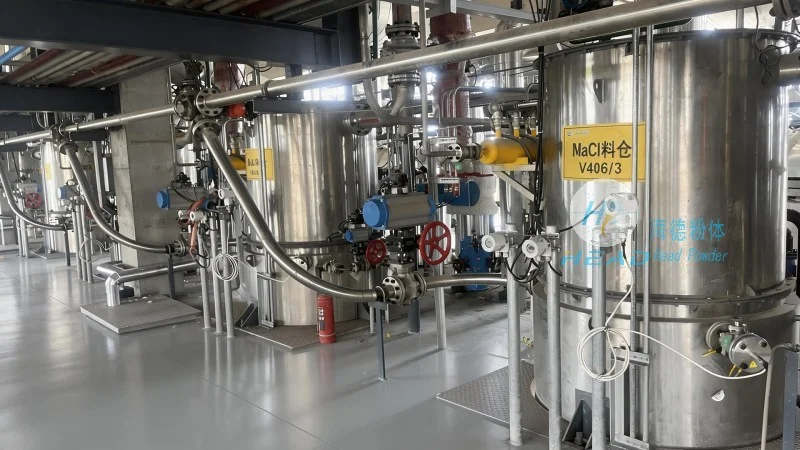
From an environmental perspective, the system is designed with sustainability in mind. The integrated dust collection and filtration systems help to minimize air pollution, aligning with regulatory requirements and promoting a cleaner working environment. Furthermore, the energy-efficient design of the air movers and feeders contributes to lower operational costs and reduced carbon footprint. By optimizing material flow and reducing waste, the system also enhances overall resource utilization, making it a cost-effective solution for long-term industrial operations.
Application Scenarios and Industry Impact
The Sintered Ash Pneumatic Conveying and Automatic Feeding System is particularly well-suited for industries that generate large volumes of sintered ash, such as the steel industry, cement manufacturing, and metallurgical processing. In these sectors, the system helps to streamline the handling of byproducts, turning what might otherwise be a waste material into a valuable resource. For example, in steel production, sintered ash can be used as a raw material in cement production or as a fuel additive, reducing the reliance on virgin materials and lowering production costs.
By integrating this system into existing production lines, facilities can achieve higher throughput, improved product consistency, and enhanced safety. The automated nature of the system reduces the risk of human error and exposure to hazardous materials, creating a safer working environment. Additionally, the system’s modular design allows for easy integration with existing infrastructure, minimizing installation time and disruption to ongoing operations.




