As the global demand for lithium-ion batteries continues to rise, the efficient and safe transportation of cathode materials becomes a critical factor in the battery manufacturing process. Cathode materials, such as lithium cobalt oxide (LiCoO₂), lithium nickel manganese cobalt oxide (NMC), and lithium iron phosphate (LFP), are essential components that directly impact the performance and lifespan of batteries. The choice of transport method is crucial, as it affects material integrity, operational safety, and overall production efficiency. This article explores the common methods for transporting lithium-ion battery cathode materials and highlights the advantages of pneumatic conveying systems offered by Shandong HeadPowder Engineering Co., Ltd., commonly known as HeadPowder.
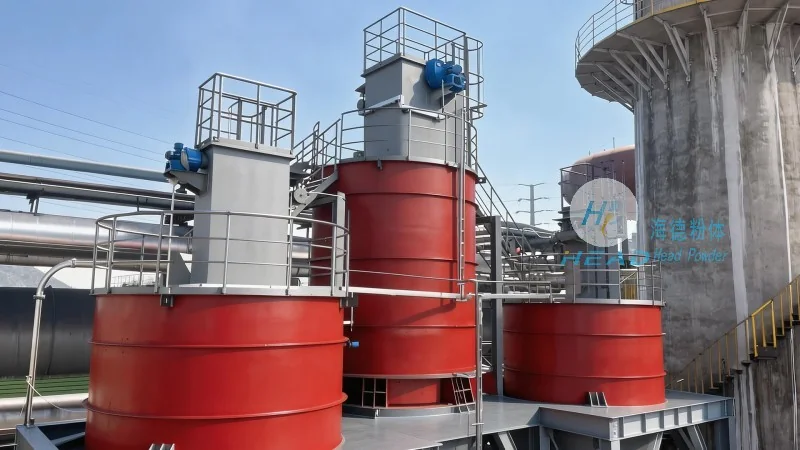
Common Methods for Transporting Lithium-Ion Battery Cathode Materials
Several methods are widely used in the battery industry for transporting cathode materials. The most common include screw conveyors, belt conveyors, and pneumatic conveying systems. Each method has its own set of advantages and limitations, which are important to consider based on the specific requirements of the production line.
Screw Conveyors
Screw conveyors are among the most traditional and widely used equipment for material handling. They consist of a rotating screw inside a tube or trough, which moves material from one point to another through gravity and the rotation of the screw. For lithium-ion battery cathode materials, screw conveyors are relatively simple to install and maintain. However, they have several drawbacks that limit their effectiveness in certain applications. One major issue is the risk of material degradation due to friction and abrasion between the screw and the material. This can lead to particle breakdown and contamination, which may affect the quality of the final battery product. Additionally, screw conveyors are not suitable for transporting materials that are highly sensitive to moisture or air exposure, as they operate in an open or semi-open environment. The risk of dust generation and the need for regular cleaning also pose challenges in maintaining a clean and safe working environment.
Belt Conveyors
Belt conveyors are another common solution for transporting bulk materials, including cathode powders. These systems use a continuous belt that moves over rollers to transport material from the source to the destination. Belt conveyors are known for their high capacity and ability to handle large volumes of material efficiently. They are also relatively easy to integrate into existing production lines and can be customized to fit various space constraints. However, belt conveyors have their own set of limitations when it comes to handling sensitive materials like cathode powders. The open design of belt conveyors makes them susceptible to contamination from the environment, such as moisture, dust, or other particles. This can compromise the purity of the cathode material, which is critical for battery performance. Furthermore, belt conveyors may not be suitable for transporting materials with high moisture content or those that are prone to sticking to the belt surface, as this can lead to uneven material flow and potential blockages. The maintenance requirements for belt conveyors, including regular belt replacement and cleaning, can also add to operational costs.
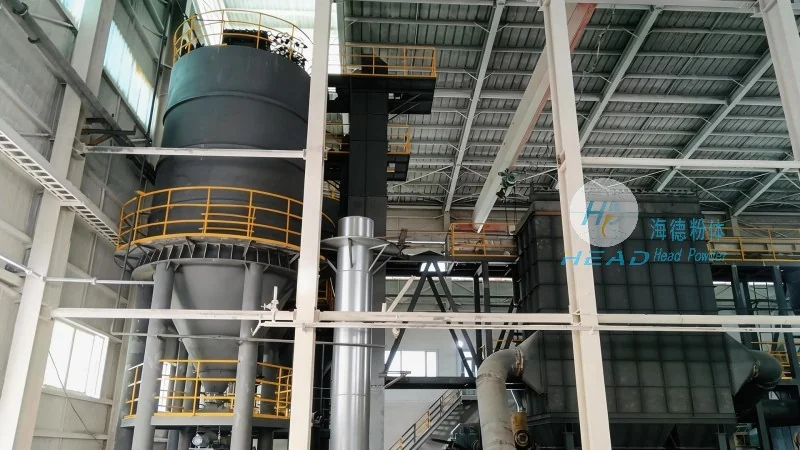
Pneumatic Conveying Systems
Pneumatic conveying, also known as air conveying, is a method that uses compressed air to transport materials through a pipeline. This technology offers several advantages that make it particularly suitable for handling lithium-ion battery cathode materials. Unlike mechanical systems like screw or belt conveyors, pneumatic conveying provides a closed system, which minimizes exposure to the environment and reduces the risk of contamination. The materials are transported in a sealed pipeline, preventing contact with air, moisture, or other external factors that could degrade their quality. This is especially important for cathode materials, which are often sensitive to moisture and oxidation. The closed system also helps in maintaining a clean and dust-free environment, reducing the risk of dust explosions and improving workplace safety.
Advantages of Pneumatic Conveying for Lithium-Ion Battery Cathode Materials
Shandong HeadPowder Engineering Co., Ltd. specializes in providing advanced pneumatic conveying solutions tailored to the needs of the lithium-ion battery industry. The company's systems are designed to ensure the safe and efficient transport of cathode materials while maintaining their integrity and quality. The key advantages of HeadPowder's pneumatic conveying systems include:
1. Minimal Material Contamination and Degradation
By operating in a closed pipeline system, HeadPowder's pneumatic conveying systems prevent the cathode material from coming into contact with air, moisture, or other contaminants. This is crucial for maintaining the purity and performance of the material. The system uses positive or negative pressure to move material, ensuring that the material remains in a controlled environment throughout the transport process. The absence of mechanical contact reduces friction and abrasion, minimizing the risk of particle breakdown and contamination. This results in higher-quality cathode materials that contribute to better battery performance and longer lifespan.
2. Enhanced Safety and Environmental Protection
Pneumatic conveying systems from HeadPowder are designed with safety as a top priority. The closed system eliminates the risk of dust explosions, which is a significant concern in the handling of powders. The system also reduces dust emissions, contributing to a cleaner and safer working environment. Additionally, the lack of moving parts in the pipeline reduces the risk of mechanical failures and associated hazards. HeadPowder's systems are equipped with advanced safety features, such as pressure relief valves and dust collection systems, to further enhance operational safety. This not only protects workers but also complies with environmental regulations, making the system suitable for use in various industrial settings.
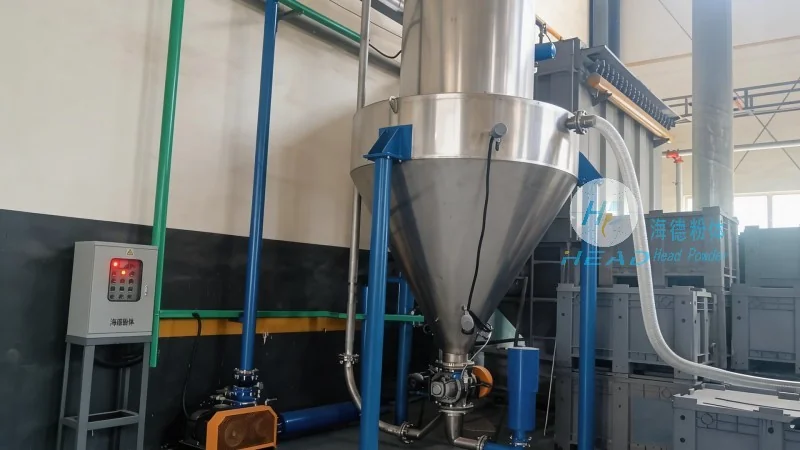
3. High Efficiency and Flexibility
HeadPowder's pneumatic conveying systems are engineered for high efficiency and flexibility. The systems can handle a wide range of material types and particle sizes, making them suitable for various cathode materials, including fine powders and granules. The adjustable pressure and flow rates allow for precise control over the transport process, ensuring optimal material movement without waste or bottlenecks. The modular design of the systems enables easy integration into existing production lines and allows for expansion as production needs grow. This flexibility makes the systems adaptable to different production scales and configurations, providing a long-term solution for cathode material transport.
4. Reduced Maintenance and Operational Costs
Compared to mechanical systems like screw or belt conveyors, pneumatic conveying systems require less maintenance and have lower operational costs. The absence of moving parts in the pipeline reduces the risk of wear and tear, minimizing the need for frequent repairs or replacements. The closed system also reduces the need for cleaning and maintenance, as there is no accumulation of material on surfaces or in open areas. HeadPowder's systems are designed with durability and reliability in mind, ensuring long-term performance with minimal downtime. This results in lower maintenance costs and higher overall operational efficiency, making the system a cost-effective choice for battery manufacturers.
Conclusion
In conclusion, the choice of transport method for lithium-ion battery cathode materials is a critical decision that impacts the quality, safety, and efficiency of the battery manufacturing process. While traditional methods like screw and belt conveyors have their uses, they often fall short in handling the sensitive nature of cathode materials. Pneumatic conveying systems, particularly those offered by Shandong HeadPowder Engineering Co., Ltd., provide a superior solution with their closed system, minimal contamination, enhanced safety, and high efficiency. By investing in advanced pneumatic conveying technology, battery manufacturers can ensure the consistent quality of their cathode materials, improve operational safety, and reduce long-term costs. HeadPowder's expertise in providing tailored solutions makes them a reliable partner for businesses looking to optimize their cathode material transport processes and stay competitive in the rapidly evolving battery industry.




