Efficient handling and transportation of sodium fluorosilicate powder are fundamental to the success of industrial processes that rely on this chemical compound. This comprehensive overview examines the structural principles and operational mechanisms underlying powder conveying systems, providing insights into how these systems ensure reliable performance, safety, and efficiency in the movement of sodium fluorosilicate from storage to processing units.
Product Overview: Sodium Fluorosilicate and Its Industrial Relevance
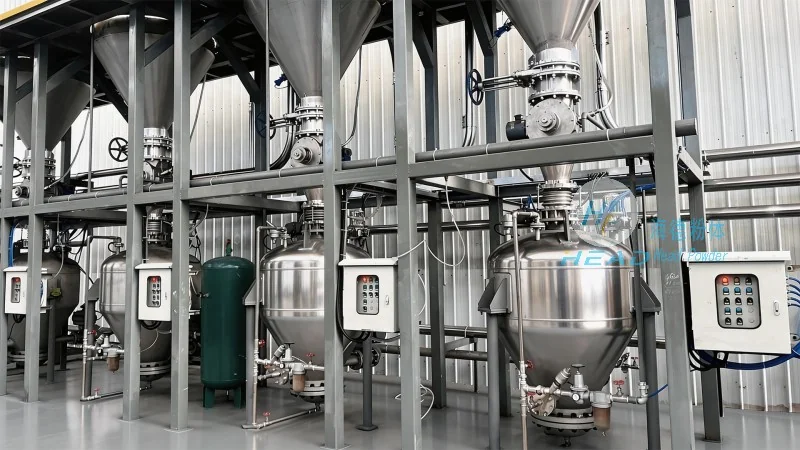
Sodium fluorosilicate (Na₂SiF₆) is a white crystalline powder with a molecular weight of approximately 188.06 g/mol. It is widely utilized in industries such as water treatment, glass manufacturing, metal surface treatment, and chemical synthesis due to its unique chemical properties. As a coagulant in water treatment, it helps remove suspended solids by promoting the formation of flocs. In glass production, it serves as a flux to lower the melting point of silica and improve the glass's optical properties. The efficient conveyance of this powder is critical because any inefficiency in the process can lead to material loss, increased downtime, or compromised product quality. This section introduces the importance of specialized powder conveying systems for sodium fluorosilicate and the key considerations in their design.
Structural Principles of Powder Conveying Systems for Sodium Fluorosilicate
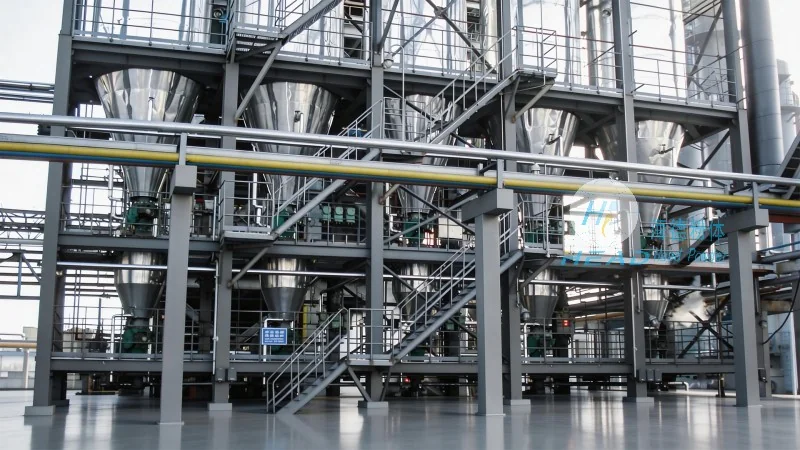
The structural design of sodium fluorosilicate powder conveying systems is guided by several critical principles that address the material's physical characteristics. These include the selection of appropriate equipment based on the powder's flowability, density, and tendency to form lumps or adhere to surfaces. For instance, screw conveyors are commonly used for horizontal or slight incline transport due to their ability to handle bulk materials with minimal segregation. Pneumatic conveyors, on the other hand, are ideal for vertical or long-distance transport, utilizing air pressure to move the powder through pipelines. The structural integrity of the conveying components is paramount; materials such as stainless steel or corrosion-resistant alloys are preferred to prevent contamination and ensure durability, especially when handling chemicals that may be corrosive. The system layout, including the placement of hoppers, chutes, and control valves, is engineered to maintain consistent flow rates and minimize the risk of clogging or material degradation. Additionally, the integration of safety features, such as dust collection systems and pressure relief valves, is essential to comply with industrial safety standards and protect personnel from exposure to the powder.
Operational Mechanisms: How Conveying Systems Function
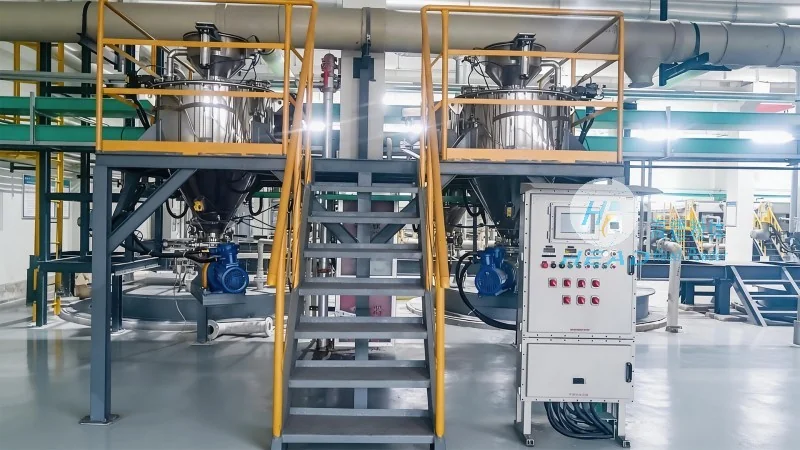
The operational mechanisms within sodium fluorosilicate powder conveying systems involve the interaction of mechanical and pneumatic forces to move the material. In screw conveyors, a rotating helical screw pushes the powder forward, with the pitch and speed of the screw determining the conveying rate. The design of the screw, including the number of flights and their angle, is optimized to handle the specific flow characteristics of sodium fluorosilicate. For pneumatic systems, the operation relies on creating a pressure differential between the intake and discharge points. Air is drawn into the system, and the powder is entrained in the airflow, traveling through the pipeline to the destination. The control of these mechanisms is critical; variable frequency drives (VFDs) are often used to adjust the speed of screw conveyors or the pressure in pneumatic systems, allowing for precise control over the flow rate. Sensors, such as pressure transducers and flow meters, monitor the system's performance in real-time, providing feedback to the control system to maintain optimal operation. Regular maintenance of the conveying components, including cleaning the screw blades or pipeline interiors and inspecting for wear, is essential to sustain the system's efficiency and prevent issues like blockages or reduced conveying capacity.
Customized Solutions by Shandong HeadPowder Engineering Co., Ltd.
Shandong HeadPowder Engineering Co., Ltd., a leading provider of powder handling solutions, specializes in designing and manufacturing customized conveying systems for sodium fluorosilicate. The company's approach involves a thorough analysis of the client's specific requirements, including the scale of operation, the type of processing equipment, and the environmental conditions. Based on this analysis, engineers at HeadPowder develop tailored solutions that incorporate the structural principles and operational mechanisms discussed above. For example, in a water treatment plant, the company may design a combination of screw conveyors and pneumatic systems to transport sodium fluorosilicate from storage silos to mixing tanks, ensuring precise dosing and minimal material loss. In glass manufacturing facilities, the system may include a vertical bucket elevator to transport the powder to the batch furnace, with integrated dust collection to maintain air quality. The company's expertise in material science and mechanical engineering allows for the optimization of the conveying process, reducing energy consumption and increasing overall efficiency. By leveraging advanced technology and a deep understanding of powder handling, Shandong HeadPowder Engineering Co., Ltd. provides reliable and cost-effective solutions that meet the unique needs of each industrial application.
Ensuring Reliability and Efficiency in Powder Conveying
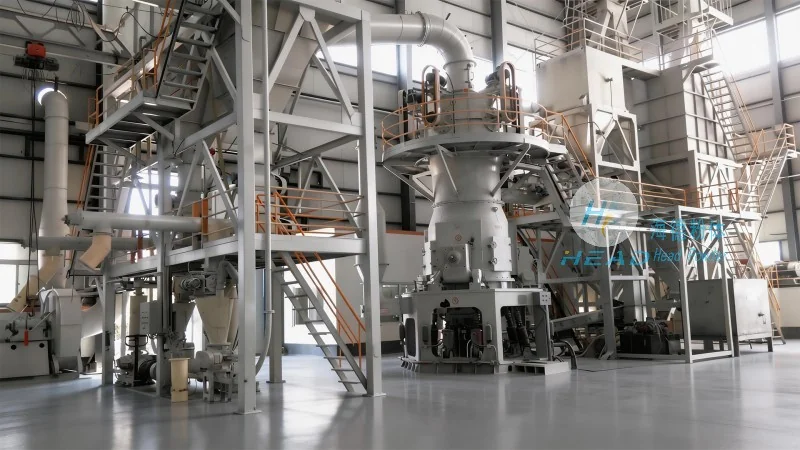
The reliability and efficiency of sodium fluorosilicate powder conveying systems are critical to maintaining production continuity and product quality. Regular maintenance and monitoring are essential to prevent issues such as clogging, material degradation, or equipment failure. The use of high-quality materials and components, as recommended by HeadPowder, ensures that the system operates for extended periods without significant performance degradation. Additionally, the integration of automation and control systems allows for real-time monitoring and adjustment of the conveying process, enhancing the system's responsiveness to changes in production demand. The company's commitment to quality and customer satisfaction is reflected in its comprehensive after-sales support, including technical assistance, spare parts availability, and system upgrades. By adhering to these practices, industries can achieve consistent and reliable handling of sodium fluorosilicate, supporting their long-term operational goals and competitive advantage in the market.




