

Operation Process and Working Principle of a Dry Desulfurization Fly Ash Powder Pneumatic Conveying
HeadPowder, a leading provider of industrial equipment solutions, specializes in the design and manufacturing of advanced pneumatic conveying systems tailored for handling dry desulfurization fly ash. This article delves into the operational process and underlying principles of a dry desulfurization fly ash powder pneumatic conveying machine, highlighting its efficiency, reliability, and technical sophistication.
Company Overview and Expertise
HeadPowder Engineering Co., Ltd., headquartered in Shandong, China, is a reputable enterprise dedicated to delivering high-quality industrial machinery. With a strong commitment to innovation and customer satisfaction, the company has established itself as a trusted partner in the field of material handling and processing equipment. The expertise of HeadPowder lies in developing customized solutions that meet the specific demands of various industrial applications, ensuring optimal performance and durability.
Product Introduction: Dry Desulfurization Fly Ash Powder Pneumatic Conveying Machine
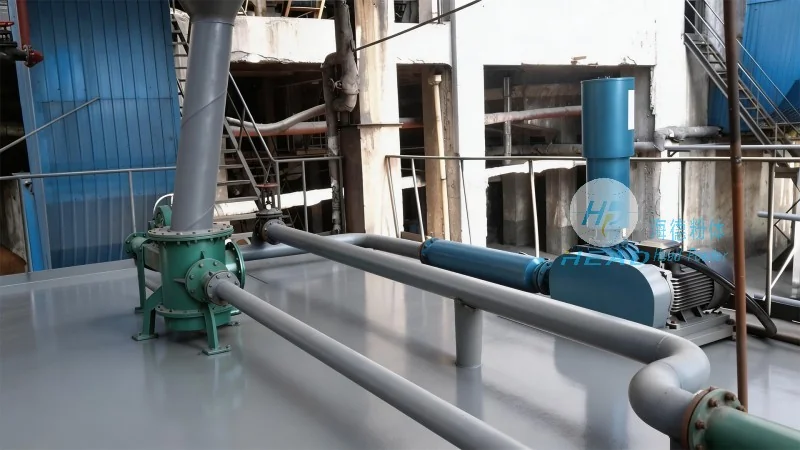
The dry desulfurization fly ash powder pneumatic conveying machine is engineered to efficiently transport fine powders, such as those generated from flue gas desulfurization processes. This equipment is particularly suitable for handling fly ash, a byproduct of power plants that requires safe and effective transportation to storage or disposal sites. The machine utilizes pneumatic conveying technology, which involves the use of compressed air to move powders through a pipeline system, eliminating the need for mechanical components like belts or screws that may cause wear and maintenance issues.
Working Principle of the Pneumatic Conveying System
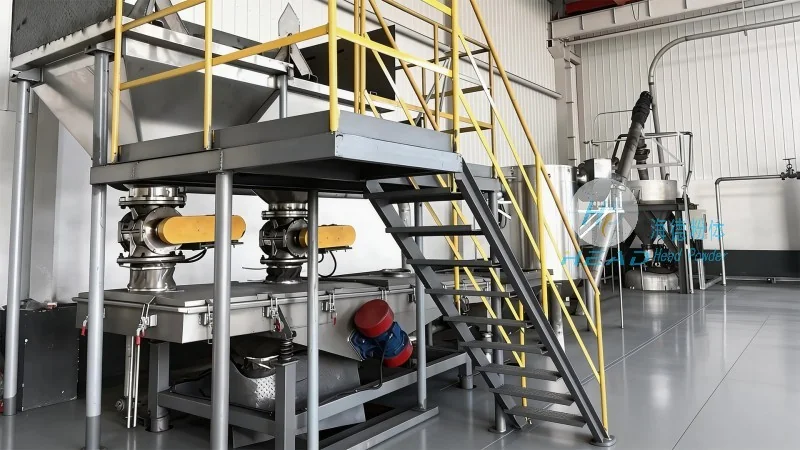
The core of the dry desulfurization fly ash powder pneumatic conveying machine operates on the principle of air pressure and flow. The system consists of a hopper for material storage, a feeder to control the flow rate, a conveying pipeline, and a receiver for the discharged material. Compressed air is introduced into the pipeline, creating a flow that entrains the fly ash particles. As the air moves through the pipeline, it carries the powder along, ensuring a consistent and controlled transport process. The design of the system minimizes particle degradation and loss, maintaining the integrity of the fly ash during transit.
Operational Process: Step-by-Step Execution
The operation of the dry desulfurization fly ash powder pneumatic conveying machine follows a systematic process to ensure smooth and efficient material handling. Initially, the fly ash is fed into the hopper from the desulfurization unit. The feeder then regulates the discharge rate, ensuring a steady flow of material into the conveying pipeline. Compressed air, supplied by an air compressor, is introduced at the inlet of the pipeline, creating a pressure differential that propels the powder forward. The conveying system maintains a consistent air velocity to prevent particle deposition or blockages in the pipeline. Upon reaching the receiver, the fly ash is deposited, and the air is either filtered and recycled or vented to the atmosphere, depending on the system design. This process is automated and can be integrated with other industrial systems for seamless operation.
Key Features and Advantages
The dry desulfurization fly ash powder pneumatic conveying machine offers several advantages over traditional mechanical conveying methods. Firstly, it eliminates the need for moving parts, reducing maintenance costs and downtime. The absence of mechanical components also minimizes the risk of material contamination and wear. Secondly, the system provides high flexibility in terms of layout and installation, as it can be configured to fit various plant designs and space constraints. Additionally, the pneumatic conveying process ensures a uniform and controlled flow of material, which is crucial for maintaining the quality of the fly ash and preventing agglomeration. The machine is also designed for low energy consumption, contributing to operational efficiency and cost savings.
Applications and Industry Impact
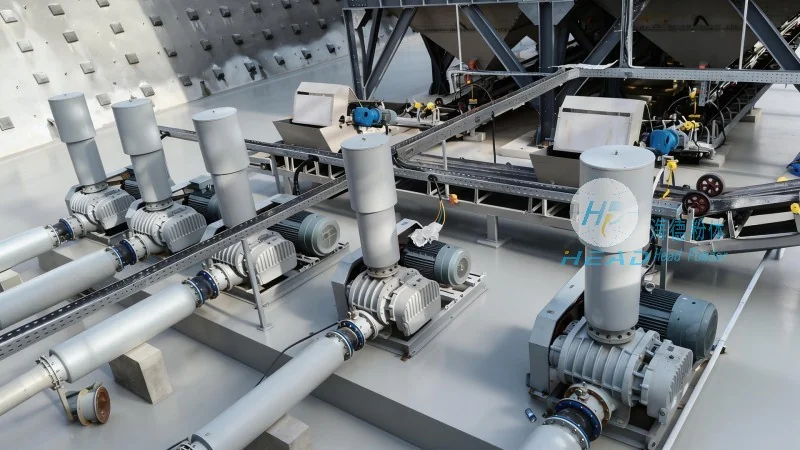
The dry desulfurization fly ash powder pneumatic conveying machine is widely used in power plants and industrial facilities that generate fly ash as a byproduct of flue gas desulfurization. Its primary application is the safe and efficient transportation of fly ash from the desulfurization unit to storage silos or disposal sites. By utilizing this equipment, facilities can enhance their operational efficiency, reduce handling costs, and comply with environmental regulations regarding the management of fly ash. The system's reliability and durability ensure long-term performance, making it a preferred choice for industrial applications where consistent and high-quality material handling is essential.
Conclusion
In conclusion, the dry desulfurization fly ash powder pneumatic conveying machine is a sophisticated and efficient solution for handling fine powders in industrial settings. Developed by HeadPowder Engineering Co., Ltd., this equipment exemplifies the company's commitment to innovation and quality. By leveraging pneumatic conveying technology, the machine ensures reliable and cost-effective transport of fly ash, contributing to the overall operational efficiency of power plants and industrial facilities. With its robust design and advanced features, the dry desulfurization fly ash powder pneumatic conveying machine remains a critical component in modern material handling systems.