

Operation Process and Working Principle of Positive Electrode Powder Pneumatic Conveying System
Positive electrode materials are critical components in lithium-ion batteries, and their handling efficiency directly impacts production line performance. The pneumatic conveying system designed by Shandong HeadPowder Engineering Co., Ltd. (referred to as HeadPowder) offers a reliable solution for transporting these fine powders. This article details the operational process and working principles of the system, emphasizing its application in the battery manufacturing industry.
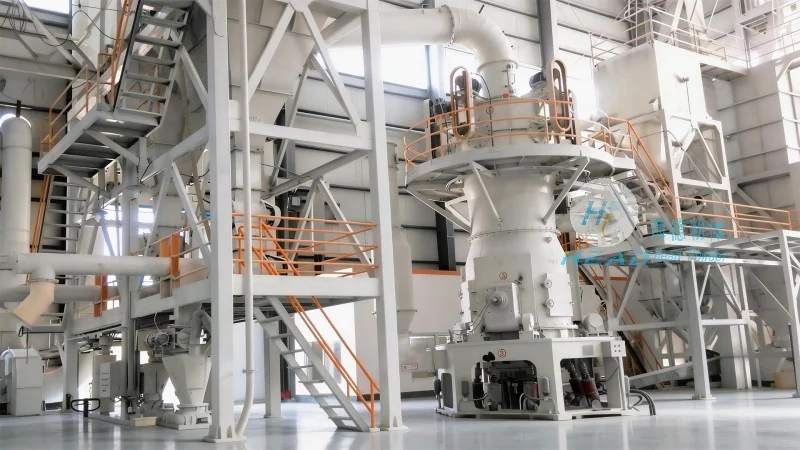
Company Overview
HeadPowder, a leading engineering firm based in Shandong, China, specializes in the design and implementation of advanced material handling systems. With a focus on precision and efficiency, the company has developed tailored solutions for various industrial applications, including the transportation of sensitive powders like positive electrode materials. The company’s expertise lies in integrating mechanical, pneumatic, and control technologies to ensure safe and effective material transfer.
Pneumatic Conveying System for Positive Electrode Powders
The pneumatic conveying system for positive electrode powders is engineered to handle the unique characteristics of these materials, such as high reactivity, fine particle size, and sensitivity to moisture. The system operates by using compressed air to transport the powder from a source to a destination, eliminating the need for mechanical components that could cause contamination or damage to the material. This method is particularly advantageous for maintaining the purity and integrity of the powder, which is essential for battery performance.
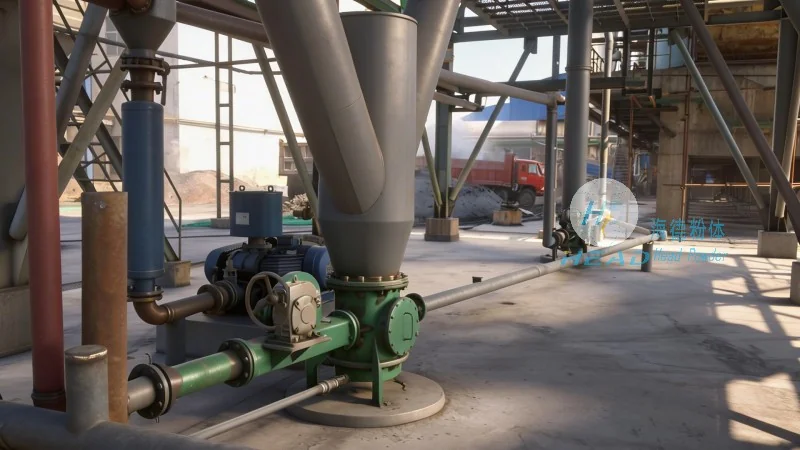
System Components and Their Functions
The pneumatic conveying system consists of several key components, each playing a vital role in the overall operation. These include the material feed hopper, which holds the positive electrode powder and regulates the flow rate; the air compressor, which provides the necessary pressure for conveying; the conveying line, which transports the powder through a sealed pipeline; and the discharge hopper, which collects the material at the destination. Additionally, the system may incorporate filters and dust collectors to ensure air quality and prevent material loss.
Operation Process: From Source to Destination
The operational process of the pneumatic conveying system begins with the material being fed into the feed hopper. The hopper is equipped with a valve or feeder that controls the powder flow, ensuring a consistent and controlled discharge. Simultaneously, the air compressor generates compressed air, which is directed into the conveying line. As the air flows through the line, it creates a low-pressure zone that draws the powder particles into the air stream. The mixture of air and powder travels through the pipeline to the discharge hopper, where the air is separated from the powder and the material is collected.
Working Principle: Air-Flow Dynamics and Material Transport
The core working principle of the pneumatic conveying system relies on the interaction between air flow and powder particles. When compressed air enters the conveying line, it creates a pressure differential that lifts and transports the powder. The velocity of the air is critical; it must be sufficient to overcome the gravitational force acting on the powder particles and maintain the powder in a suspended state. The system typically operates in either dilute-phase or dense-phase mode, depending on the material properties and required flow rate. Dilute-phase conveying uses higher air velocities to transport the powder in a dispersed state, while dense-phase conveying uses lower velocities to move the powder in a more concentrated stream, reducing the risk of particle degradation.
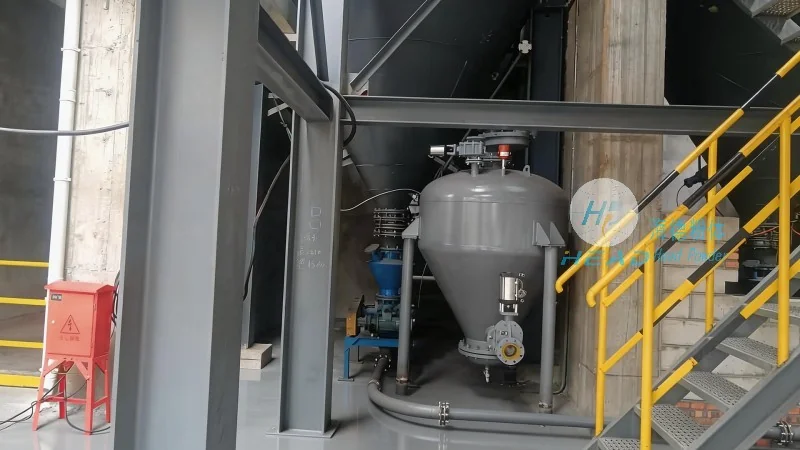
Advantages of the System in Battery Manufacturing
Implementing a pneumatic conveying system for positive electrode powders offers several benefits for battery manufacturers. Firstly, it enhances production efficiency by enabling continuous, automated material transfer, reducing downtime and labor costs. Secondly, the sealed system minimizes exposure to external contaminants, such as moisture or dust, which can degrade the powder quality and affect battery performance. Thirdly, the system’s flexibility allows for easy integration with existing production lines, adapting to changes in production volume or material specifications. Finally, the reduced need for mechanical handling equipment lowers the risk of material damage and improves overall product consistency.
Conclusion
Shandong HeadPowder Engineering Co., Ltd. has developed a robust pneumatic conveying system specifically designed for the transportation of positive electrode powders. By leveraging advanced pneumatic technology and careful system design, the company ensures that the delicate properties of these materials are preserved throughout the conveying process. The operational process, which involves precise control of material flow and air pressure, combined with the working principles based on air-flow dynamics, makes this system an essential component in modern battery manufacturing facilities. With its efficiency, reliability, and ability to maintain material integrity, the system contributes significantly to the quality and performance of lithium-ion batteries.