

Principle and Working Scene Characteristics of PP Material Conveying Systems
PP (Polypropylene) material conveying systems are essential components in various industrial applications, particularly in manufacturing and processing facilities. These systems are designed to efficiently transport polypropylene materials from one location to another, ensuring smooth and reliable material handling processes. The effectiveness of PP material conveying systems depends on their underlying principles and the specific working scenarios they are applied to.
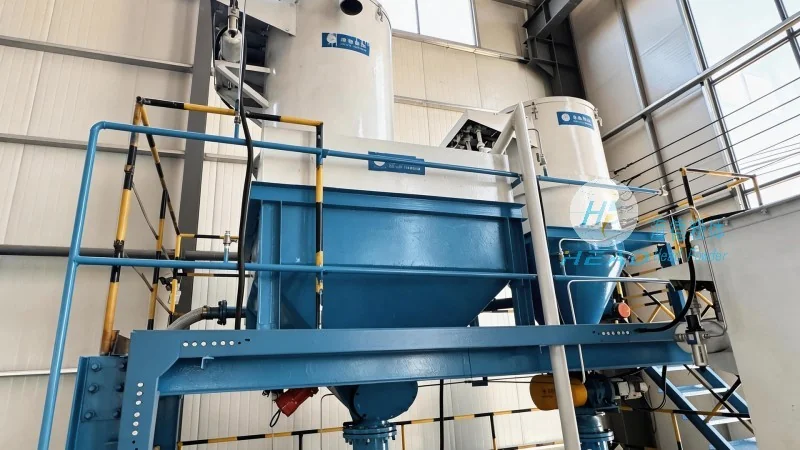
The Fundamental Principles of PP Material Conveying
At the core of PP material conveying systems are several key principles that govern their operation. These principles include the use of appropriate conveyor mechanisms, such as screw conveyors, belt conveyors, or pneumatic conveying systems, which are selected based on the properties of the PP material and the operational requirements of the application. The choice of conveyor type is critical as it directly impacts the efficiency, speed, and reliability of material transport. For instance, screw conveyors are commonly used for vertical or inclined material transport due to their ability to handle bulk materials with minimal maintenance. Belt conveyors, on the other hand, are ideal for horizontal or slightly inclined transport, offering high capacity and durability. Pneumatic conveying systems utilize air pressure to move PP particles through pipes, which is particularly effective for fine or dusty materials that require gentle handling to prevent degradation.
Working Scene Characteristics of PP Material Conveying Systems
The working scene characteristics of PP material conveying systems vary significantly depending on the industry and the specific application. In manufacturing plants, these systems are often integrated into production lines to transport raw PP materials to processing units, such as extruders or injection molding machines. The working environment in such settings is typically characterized by high volumes of material, continuous operation, and the need for precise control over material flow. For example, in plastic manufacturing facilities, PP material conveying systems may need to handle large quantities of granules or pellets, ensuring that the material is delivered to the processing equipment at a consistent rate. This consistency is crucial for maintaining the quality and uniformity of the final products.
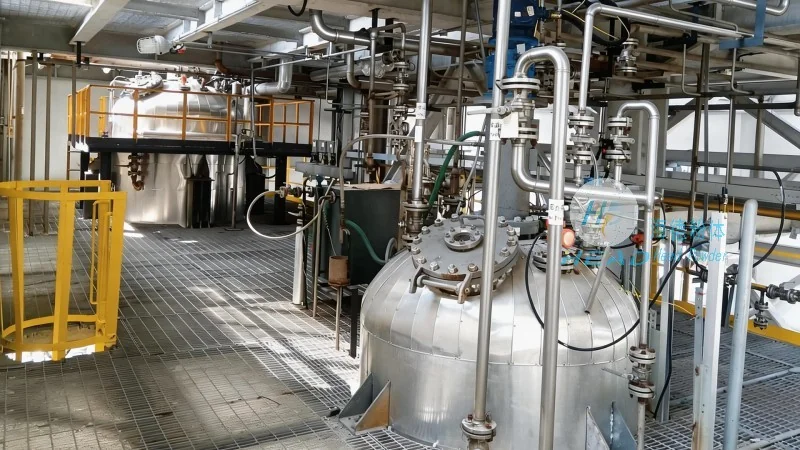
Industrial Applications and Operational Scenarios
PP material conveying systems are widely used across various industries, including automotive, packaging, and construction. In the automotive industry, these systems are employed to transport PP components and raw materials to assembly lines, where they are used in the production of parts like interior panels and exterior trim. The working scenario in this industry often involves high-speed production lines and the need for automated material handling to meet strict quality standards. In the packaging industry, PP material conveying systems are used to move plastic films and sheets to packaging machines, ensuring that the materials are delivered in a controlled manner to maintain the integrity of the packaging process. The construction industry also utilizes PP material conveying systems for transporting plastic building materials, such as pipes and sheets, to construction sites. The working scenario in this sector may involve outdoor or semi-outdoor environments, requiring systems that are durable and resistant to weather conditions.
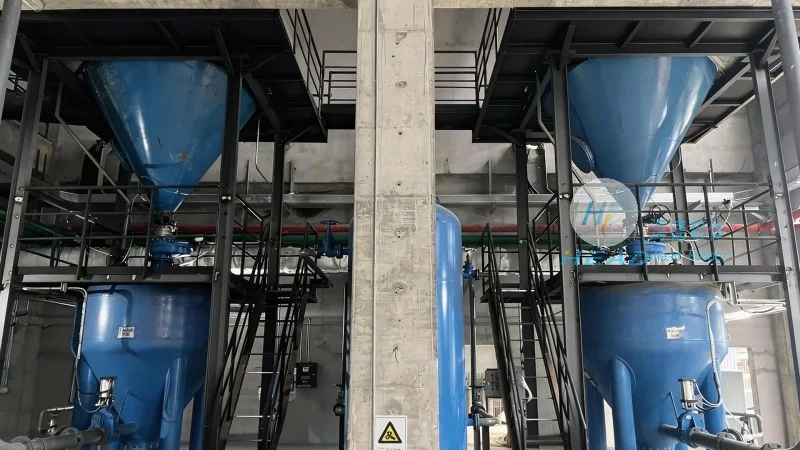
Key Features and Advantages of PP Material Conveying Systems
PP material conveying systems offer several advantages that make them suitable for diverse industrial applications. One of the primary advantages is their ability to handle a wide range of PP material types, including granules, pellets, powders, and even larger pieces. This versatility allows these systems to be adapted to different production processes and material characteristics. Another key feature is their energy efficiency, as modern conveying systems are designed to minimize energy consumption while maintaining high performance. Additionally, PP material conveying systems are known for their durability and low maintenance requirements, which contribute to their long operational life and cost-effectiveness. The use of high-quality materials and robust construction ensures that these systems can withstand the rigors of continuous industrial use, reducing downtime and maintenance costs.
Company Overview: Shandong HeadPowder Engineering Co., Ltd.
Shandong HeadPowder Engineering Co., Ltd., operating under the brand name headpowder, is a leading provider of PP material conveying systems and related industrial equipment. With a strong presence in China, particularly in Shandong, the company specializes in designing, manufacturing, and supplying high-quality conveying solutions tailored to the specific needs of various industries. The company's commitment to quality and innovation has made it a trusted partner for businesses seeking reliable and efficient material handling systems. HeadPowder's team of experienced engineers and technicians work closely with clients to understand their operational requirements and develop customized PP material conveying systems that meet their unique needs. The company's facilities in Shandong are equipped with advanced manufacturing technologies and quality control measures, ensuring that all products meet international standards and industry requirements.