HeadPowder, a leading engineering company based in Shandong, China, specializes in the design and implementation of efficient ceramic powder material handling systems. These systems are crucial for industries that rely on the precise and reliable transport of fine ceramic powders, such as ceramics manufacturing, electronics, and pharmaceuticals. The core principle behind these systems lies in the integration of advanced engineering solutions to address the unique challenges associated with handling such delicate and high-value materials. For example, ceramic powders are often sensitive to moisture, temperature, and physical stress, which can affect their properties and the quality of the final products. Therefore, the system's design must prioritize maintaining the powder's integrity throughout the transport process. This involves careful selection of materials for components like hoppers and conveyors, as well as the implementation of sealing and dust control mechanisms to prevent contamination. The company's expertise in material handling engineering ensures that each system is tailored to the specific needs of the client, considering factors such as powder type, production volume, and operational environment.
Principle of Ceramic Powder Material Handling Systems
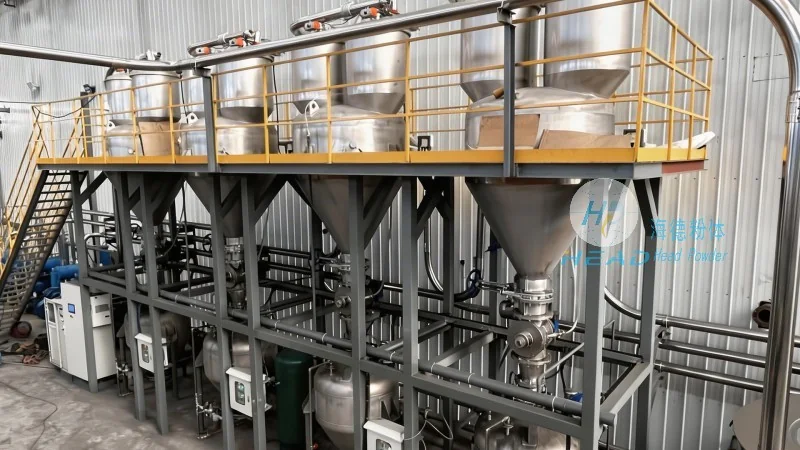
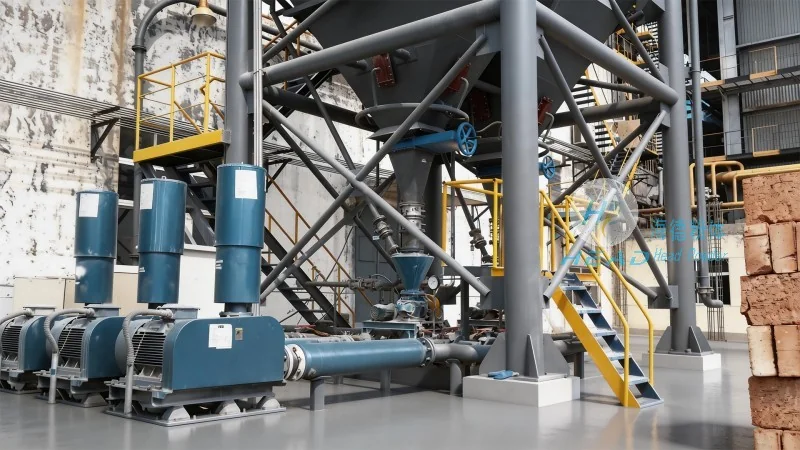
The fundamental principle of ceramic powder material handling systems is to ensure the safe, efficient, and contamination-free transport of fine ceramic powders from production to processing stages. This involves a combination of mechanical, pneumatic, and sometimes hydraulic components working in tandem to maintain the integrity of the powder. Key components typically include hoppers, feeders, conveyors, and dust collection systems. The design emphasizes minimizing particle degradation, preventing agglomeration, and controlling moisture levels, all of which are critical for maintaining the quality of the final product. For instance, in ceramics manufacturing, the quality of the ceramic powder directly impacts the properties of the end product, such as strength, color, and texture. Therefore, the system's design must prioritize precision and reliability to avoid any compromise in material quality. The use of advanced materials, such as stainless steel and special polymers, ensures durability and resistance to corrosion from the powders. Additionally, the integration of sensors and control systems allows for real-time monitoring of flow rates and pressure, enabling immediate adjustments to maintain optimal performance. This proactive approach to system management enhances overall efficiency and reduces the risk of operational disruptions.
Working Scene Characteristics of Ceramic Powder Material Handling Systems
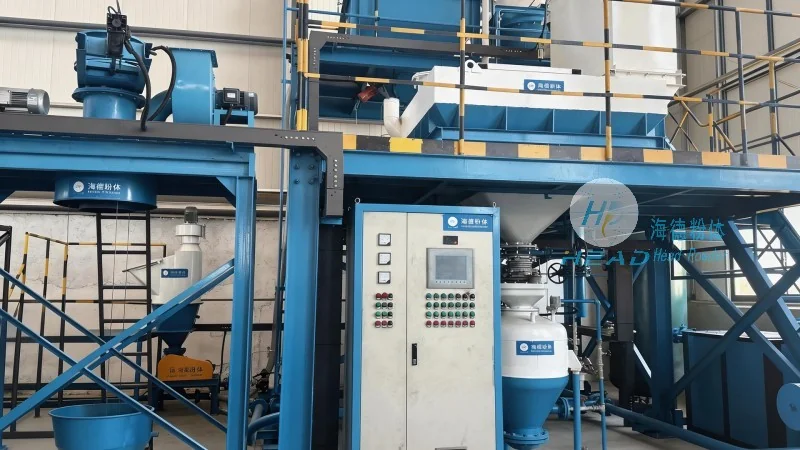
The working scene characteristics of ceramic powder material handling systems vary significantly based on the specific industry and application. In the ceramics industry, for example, these systems are often integrated into large-scale production lines where high volumes of powder need to be moved between mixing, molding, and firing stages. The systems must be capable of handling different types of ceramic powders, including alumina, zirconia, and silica, each with distinct properties that affect handling requirements. The operational environment may involve high temperatures or vacuum conditions, requiring specialized materials and designs for the equipment. In the electronics industry, the systems are used for transporting fine powders used in the production of components like capacitors and semiconductors, where contamination control is paramount. The working environment here is typically cleanroom conditions, demanding strict adherence to hygiene and particle control measures. The systems are equipped with HEPA filters and enclosed designs to prevent any particle release into the environment. Additionally, in pharmaceutical applications, the systems must adhere to stringent hygiene and safety standards to prevent cross-contamination and ensure product purity. The working scene may involve sterile conditions and the use of food-grade materials for components that come into direct contact with the powder. The operational characteristics also include considerations of space constraints, as many industrial facilities have limited room for large machinery. The systems are designed to be compact yet robust, optimizing space utilization while maintaining performance. Another key aspect is the adaptability of the systems to handle different powder flow rates and particle sizes. This flexibility is essential for meeting the varying demands of production schedules and product specifications. The systems are often equipped with sensors and control systems that allow for real-time monitoring and adjustment, ensuring consistent performance under different operational conditions. The integration of automation and robotics in some systems further enhances operational efficiency by reducing manual intervention and increasing precision.
Application Examples and Operational Efficiency
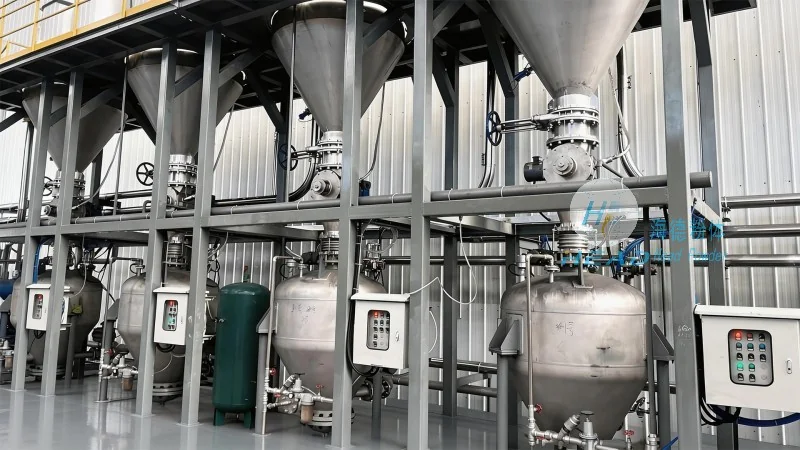
Real-world applications of ceramic powder material handling systems demonstrate their effectiveness in improving operational efficiency and product quality. For instance, in a large-scale ceramics factory, the system can handle thousands of tons of ceramic powder per day, with minimal downtime and high throughput. The integration of automated feeding and conveying mechanisms reduces manual labor, enhancing safety and consistency. In the electronics sector, the systems enable precise dosing of fine powders, which is critical for achieving uniform component properties. The use of advanced control systems allows for precise regulation of powder flow, minimizing waste and ensuring optimal material usage. The working scene characteristics also highlight the importance of maintenance and durability. The equipment is designed to withstand the abrasive nature of ceramic powders, with components made from corrosion-resistant materials to extend service life. Regular maintenance schedules are implemented to ensure the system operates at peak efficiency, reducing the risk of breakdowns and production delays. The adaptability of the systems to different production scales is another notable feature. Whether for small-scale laboratory applications or large industrial production, the systems can be customized to meet specific requirements. This flexibility makes them suitable for a wide range of industries and applications, from research and development to mass production. The overall operational efficiency of these systems is a result of careful engineering, rigorous testing, and continuous optimization to meet the evolving needs of the industries they serve. The company's commitment to quality and innovation ensures that their systems not only meet current industry standards but also anticipate future technological advancements, providing clients with long-term solutions that enhance their competitive edge.




