

Principle and Working Scene Characteristics of Resin Sand Material Handling Systems
Resin sand material handling systems are integral to modern foundries, providing efficient and reliable methods for transporting and managing resin sand. These systems are designed to handle the unique properties of resin sand, which is a type of foundry sand used in the casting process. The systems typically involve components such as conveyors, hoppers, and control mechanisms that work together to ensure smooth material flow and consistent performance. Resin sand, known for its high strength and reusability, is a critical material in the foundry industry, and the proper handling of this material directly impacts the quality and efficiency of the casting process. Therefore, the development of advanced material handling systems has become essential to meet the demands of modern manufacturing.
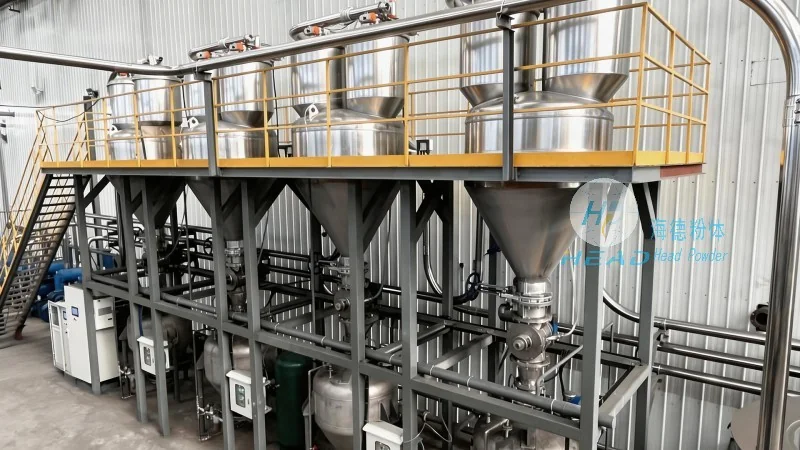
The Working Principle of Resin Sand Material Handling Systems
The core principle of resin sand material handling systems is to facilitate the movement of resin sand from storage to the molding or casting area. This is achieved through a combination of mechanical and control systems. The process begins with the resin sand being stored in a hopper or silo, which serves as the primary storage container. The hopper is typically made of durable materials such as steel or reinforced plastic to withstand the abrasive nature of the resin sand. From the hopper, the sand is transferred to a conveyor system, which can be a belt conveyor, screw conveyor, or pneumatic conveyor, depending on the specific application and material characteristics. The conveyor system moves the sand at a controlled speed, ensuring that it is evenly distributed and free from blockages. Control systems, often integrated with sensors and automation, monitor the flow rate, pressure, and other parameters to maintain optimal operation. This automation helps in reducing human error and improving the overall efficiency of the material handling process. The system may also include a feeding mechanism, such as a vibratory feeder, to ensure a consistent and controlled flow of sand into the conveyor. The entire process is designed to be seamless, with each component working in harmony to achieve the desired outcome.
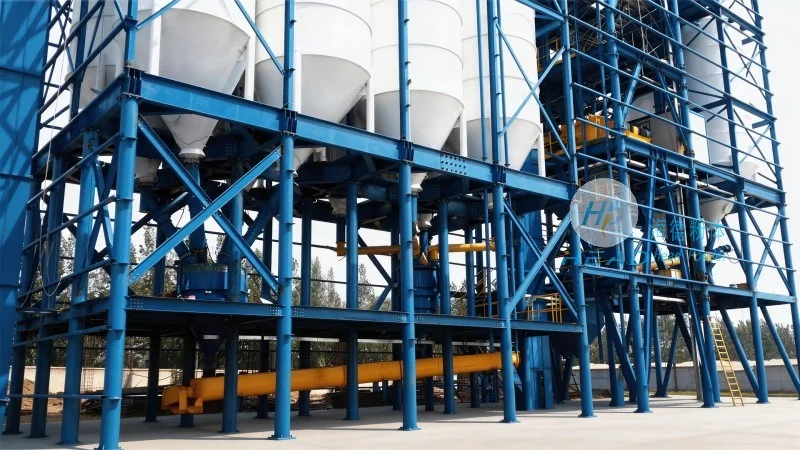
Key Components and Their Functions
Several key components make up a typical resin sand material handling system. The hopper or storage silo is the primary container for the resin sand, providing a large capacity to store the material. The hopper is equipped with a discharge valve or gate that controls the flow of sand into the conveyor. The discharge valve can be manual or automated, depending on the system's design. The conveyor system, as mentioned earlier, is responsible for transporting the sand. Belt conveyors are commonly used for horizontal or slight incline transport, with the belt made of materials such as rubber or PVC to prevent sand from sticking. Screw conveyors are ideal for vertical or steep incline applications, as they can handle the sand in a compact space. Pneumatic conveyors use air pressure to move the sand, which is particularly useful for handling fine or dusty materials, as the air helps to keep the sand in suspension and prevent clogging. The control panel or automation system integrates all these components, allowing for real-time monitoring and adjustment of the system's performance. Sensors, such as level sensors and pressure sensors, provide feedback to the control system, ensuring that the system operates within safe and efficient parameters. For example, a level sensor in the hopper can detect when the sand level is low and trigger the feeding mechanism to add more sand. Similarly, a pressure sensor in the conveyor can detect blockages and alert the operator or the control system to take corrective action.
Working Scene Characteristics and Applications
The working scene characteristics of resin sand material handling systems vary based on the specific industry and production requirements. In foundries, these systems are used in both large-scale and small-scale operations. Large-scale foundries often require high-capacity systems capable of handling large volumes of resin sand, typically ranging from several tons per hour to over 100 tons per hour. These systems are usually integrated into the existing production line, with the resin sand being transported from the storage area to the molding machines. Small-scale operations, such as in the production of molds for metal casting, may use more compact and flexible systems, with capacities ranging from a few tons per hour to around 20 tons per hour. The systems are also used in other industries where resin sand is utilized, such as in the production of refractory materials or in the manufacturing of components for the automotive industry. The working scene typically involves a clean and organized environment, with the system integrated into the existing production line. The systems are designed to minimize dust and noise, contributing to a safer and more comfortable working environment. The flexibility of these systems allows them to be adapted to different production schedules and material types, making them suitable for various applications. For instance, a system can be configured to handle different types of resin sand, such as green sand or dry sand, by adjusting the conveyor speed or the feeding rate. This adaptability makes resin sand material handling systems versatile and suitable for a wide range of industrial applications.
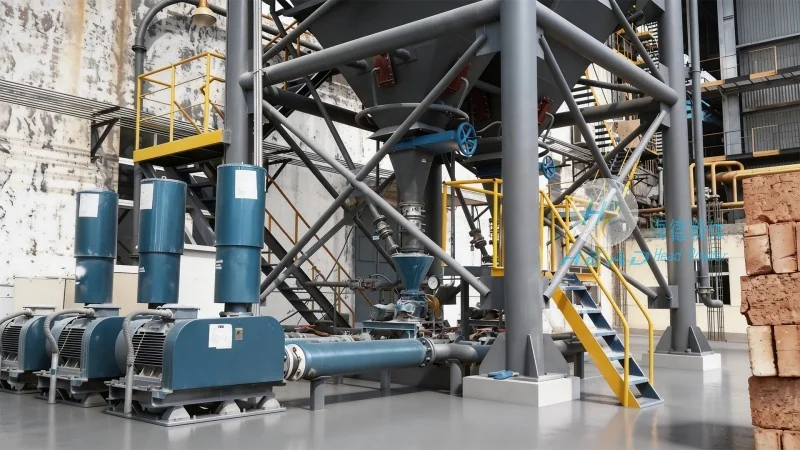
Advantages of Using Resin Sand Material Handling Systems
Resin sand material handling systems offer several advantages over traditional material handling methods. One of the primary advantages is the improved efficiency and consistency in material flow. The automated control systems ensure that the sand is transported at a consistent rate, reducing the risk of bottlenecks or overloading. This leads to increased production throughput and reduced downtime. For example, a well-designed system can maintain a flow rate of 10 tons per hour, which is crucial for meeting the production demands of a foundry. Another advantage is the improved safety and hygiene. The enclosed systems minimize dust exposure, which is a significant health hazard in foundries. Dust can cause respiratory problems and other health issues, and the use of enclosed systems helps to mitigate these risks. The systems also reduce the need for manual handling, which can be dangerous and lead to workplace injuries. Manual handling of resin sand can be heavy and repetitive, increasing the risk of musculoskeletal disorders. The automated systems eliminate this risk, making the workplace safer for the operators. Additionally, the systems are designed to be durable and long-lasting, with components that are resistant to wear and corrosion from the resin sand. This reduces maintenance costs and extends the system's lifespan. The durability of the components, such as the conveyor belts and the hopper, ensures that the system can operate for many years without significant wear and tear. The maintenance of the system is also simplified, as the automated control system can detect and alert the operator to any issues, allowing for timely repairs and minimizing downtime.