HeadPowder, a leading manufacturer based in Shandong, China, specializes in the design and production of advanced material handling systems for various industrial applications. This article provides a detailed overview of the operation process and working principle of a precipitated barium sulfate material handling system, highlighting its key components, operational workflow, and technical aspects.

Introduction to Precipitated Barium Sulfate and Material Handling Systems
Precipitated barium sulfate (BaSO₄) is a widely used industrial chemical with applications in coatings, pigments, and pharmaceuticals. Efficient and reliable material handling is crucial for maintaining product quality and operational efficiency in processing facilities. The system described here is engineered to handle the bulk transport of this fine powder, ensuring safe and consistent material flow from storage to processing units.
Key Components of the Material Handling System
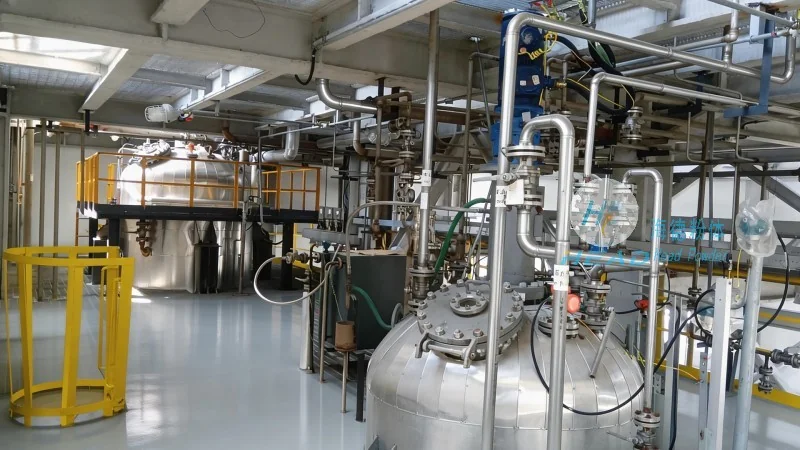
The precipitated barium sulfate material handling system consists of several critical components that work in tandem to ensure smooth operation. These include bulk storage silos, conveyor systems, feeding mechanisms, and control panels. Each component is designed to handle the specific properties of barium sulfate, such as its fine particle size and potential for dust generation.

System Operation Process
The operation of the material handling system begins with the loading of precipitated barium sulfate into the bulk storage silo. The silo is equipped with a level sensor to monitor the material inventory, ensuring that the system operates within safe and efficient parameters. When the processing unit requires raw material, the control panel activates the feeding mechanism, which draws the powder from the silo and feeds it into the conveyor system.
The conveyor system, typically a screw or belt conveyor, transports the barium sulfate to the processing equipment. The speed and capacity of the conveyor are adjustable to match the production demands, allowing for flexible operation. At the discharge end, the material is delivered to the processing unit, where it is further processed into the final product.
Working Principle of the System
The core working principle of the material handling system is based on gravity and mechanical force. The bulk storage silo provides a large storage capacity, while the feeding mechanism uses a screw or rotary valve to control the flow rate of the material. The conveyor system then transports the material to the processing point, ensuring a continuous and uniform flow. The control panel plays a vital role in monitoring and regulating the system, adjusting parameters such as flow rate and conveyor speed based on real-time feedback from sensors.
Advantages of the Precipitated Barium Sulfate Material Handling System
This system offers several advantages over traditional material handling methods. It minimizes material loss and dust generation, which is critical for maintaining product purity and environmental compliance. The automated control system enhances operational efficiency and reduces the need for manual intervention, leading to lower labor costs and improved safety. Additionally, the system's modular design allows for easy integration with existing processing lines, providing flexibility for future expansion or upgrades.
Conclusion
HeadPowder's precipitated barium sulfate material handling system exemplifies advanced industrial engineering, combining reliability, efficiency, and safety. By understanding the operation process and working principle, users can appreciate how this system contributes to the smooth and effective processing of barium sulfate in various industrial applications. With its robust design and comprehensive control capabilities, the system is a valuable asset for any facility handling this critical material.




