For industries that require strict dust control, the dust-free material feeding and conveying system is a critical component in ensuring product purity and operational safety. This system is designed to handle powders and granules with minimal contamination, making it essential in sectors such as pharmaceuticals, food processing, and chemical manufacturing. The following article provides a detailed overview of the operation process and working principles of such a system, highlighting its importance and technical implementation.
System Overview
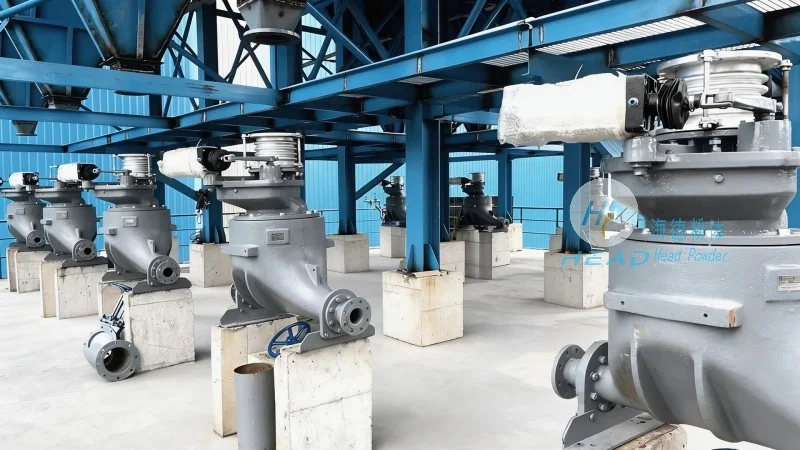
The dust-free material feeding and conveying system, as developed by Shandong HeadPowder Engineering Co., Ltd. (commonly known as HeadPowder), is engineered to maintain a controlled environment for material handling. The company, headquartered in Shandong, China, specializes in designing and manufacturing advanced material handling solutions. The system typically consists of several key components, including a hopper for material storage, a feeding mechanism (like a screw or vibratory feeder), a conveying section (e.g., a belt or pneumatic tube), and a dust collection or filtration unit. These components work in tandem to ensure that materials are transferred from the storage area to the processing line without exposing them to external contaminants or generating dust particles.
Operation Process
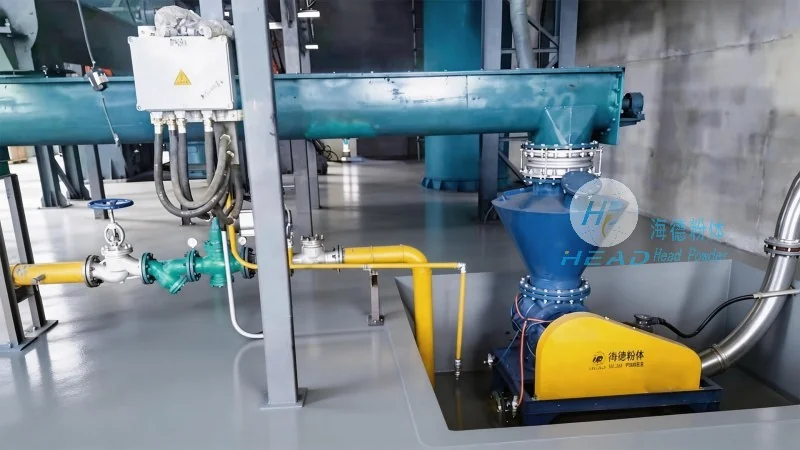
The operation of the dust-free material feeding and conveying system begins with the loading of raw materials into the hopper. Once the hopper is filled, the feeding mechanism is activated, typically by an electric motor. The motor drives the screw or vibratory mechanism, which gradually releases the material into the conveying section. The conveying section then transports the material to the processing equipment, such as a mixer or a reactor. Throughout this process, sensors and control systems monitor the flow rate and ensure that the material moves at a consistent speed. The system may also include a dust suppression feature, such as a sealed enclosure or an air filtration system, to prevent dust from escaping into the environment. The entire operation is automated, with the system running continuously as long as the material supply is available.
Working Principle
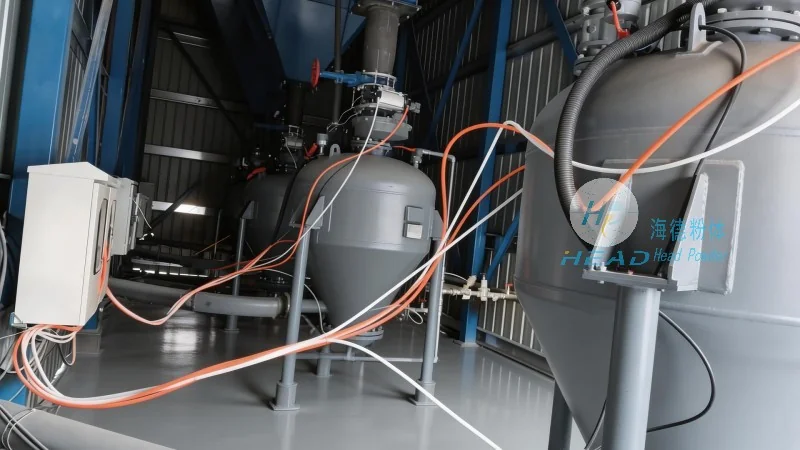
The core working principle of the dust-free material feeding and conveying system revolves around maintaining a controlled pressure and environment to prevent dust generation and contamination. The system often operates under a slight negative pressure, which draws air through the system and filters it before release. This negative pressure ensures that any dust particles generated during the feeding or conveying process are captured and filtered out, preventing them from entering the surrounding environment. The feeding mechanism, such as a screw or vibratory feeder, uses mechanical force to move the material from the hopper to the conveyor. The conveyor, whether a belt or a pneumatic tube, transports the material through a sealed tube or enclosed path, minimizing exposure to air and reducing the risk of dust dispersion. The filtration system, which may include HEPA filters or other high-efficiency filters, cleans the air before it is discharged, ensuring that the system meets regulatory standards for dust control.
Technical Advantages
Shandong HeadPowder Engineering Co., Ltd. has designed the dust-free material feeding and conveying system to offer several technical advantages that enhance its performance and reliability. One key advantage is the system's ability to maintain a dust-free environment, which is crucial for industries where product purity is paramount. The sealed design and negative pressure operation prevent cross-contamination and ensure that materials remain free from external particles. Another advantage is the system's efficiency in material handling, with minimal material loss and consistent flow rates. The automated control system allows for precise adjustment of the feeding rate, adapting to the processing requirements of the downstream equipment. Additionally, the system is designed for easy maintenance, with accessible components and simple cleaning procedures. The use of high-quality materials and robust construction ensures long-term durability and low maintenance costs, making it a cost-effective solution for industrial material handling needs.
Conclusion
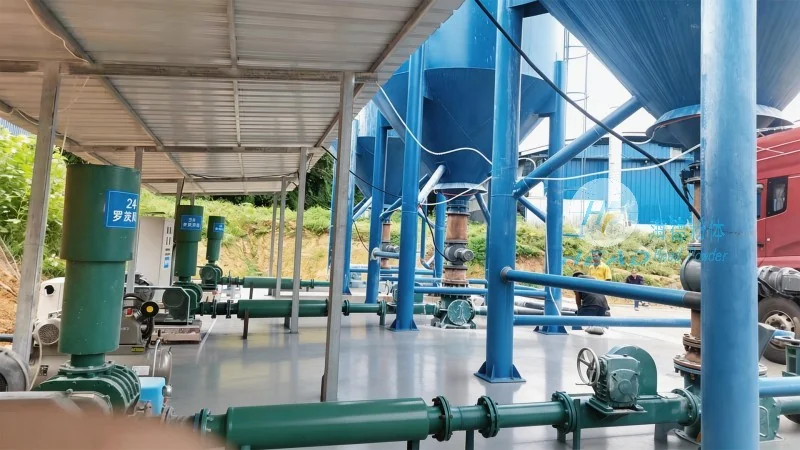
The dust-free material feeding and conveying system is a sophisticated piece of equipment that plays a vital role in modern industrial operations, particularly in sectors where dust control is non-negotiable. By understanding its operation process and working principles, users can appreciate the importance of maintaining a clean and controlled environment for material handling. The system's design, as exemplified by the products from Shandong HeadPowder Engineering Co., Ltd., combines advanced engineering with practical functionality to meet the demanding requirements of various industries. As industries continue to prioritize product quality and safety, the importance of such systems will only grow, making them an essential investment for any facility handling powders or granules.




