

Operation Process and Working Principle of Bulk Bag Material Handling Systems
Shandong HeadPowder Engineering Co., Ltd. specializes in providing advanced bulk bag material handling solutions, with a focus on efficient and reliable systems for various industrial applications. The company, commonly known as HeadPowder, is headquartered in Shandong, China, and has established itself as a leading provider in the field of bulk material handling technology.
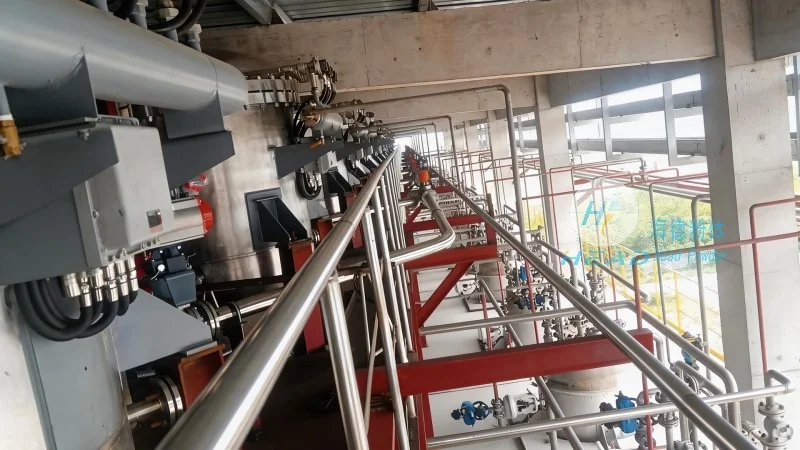
Introduction to Bulk Bag Material Handling Systems
Bulk bag material handling systems are essential in industries that deal with large quantities of bulk materials, such as chemicals, food products, and construction materials. These systems are designed to efficiently transfer, store, and manage materials in bulk bags, which are also known as flexible intermediate bulk containers (FIBCs). The systems typically consist of several key components, including bulk bag lifters, conveyors, and discharge mechanisms, all working together to ensure smooth material flow and minimal downtime.
Key Components of the System
The core components of a bulk bag material handling system include the bulk bag itself, which is a flexible container made from woven fabric, and the supporting equipment such as the bulk bag lifter, which is used to lift and position the bag. The lifter is equipped with a hoist mechanism that allows for easy handling and placement of the bag onto a discharge spout or conveyor. Additionally, the system may incorporate a conveyor system to transport the material from the bag to the next processing stage, and a discharge valve or spout to control the flow of material out of the bag.
Operation Process of the System
The operation of a bulk bag material handling system typically follows a series of steps to ensure efficient material transfer. First, the bulk bag is filled with the desired material, either manually or through an automated filling process. Once filled, the bag is sealed and placed onto the bulk bag lifter. The lifter then lifts the bag and positions it over the discharge spout or conveyor. The discharge mechanism is then activated, allowing the material to flow out of the bag and into the conveyor system. The system may also include a level sensor or other monitoring devices to ensure proper material flow and prevent overfilling or underfilling.
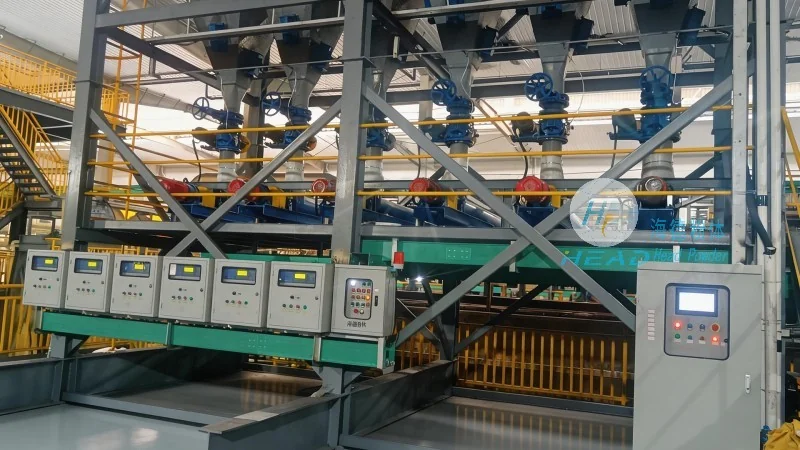
Working Principle of the System
The working principle of a bulk bag material handling system is based on the mechanical and hydraulic principles that enable the smooth transfer of bulk materials. The bulk bag lifter uses a hoist mechanism to lift the bag, which is then positioned over the discharge spout. The discharge spout is typically equipped with a valve or gate that controls the flow of material out of the bag. The conveyor system then transports the material to the next processing stage, such as a mixer or storage tank. The system may also include a weighing scale or other measurement devices to monitor the material flow and ensure accurate dosing.
Benefits of Using Bulk Bag Material Handling Systems
Implementing a bulk bag material handling system offers several benefits for industrial operations. These systems provide a cost-effective and efficient method for handling large quantities of bulk materials, reducing the need for manual labor and minimizing the risk of material spillage or contamination. Additionally, the systems are designed to be flexible and adaptable to different material types and processing requirements, making them suitable for a wide range of industrial applications. The use of bulk bag material handling systems also helps to improve safety in the workplace by reducing the need for manual handling of heavy bags and minimizing the risk of accidents.
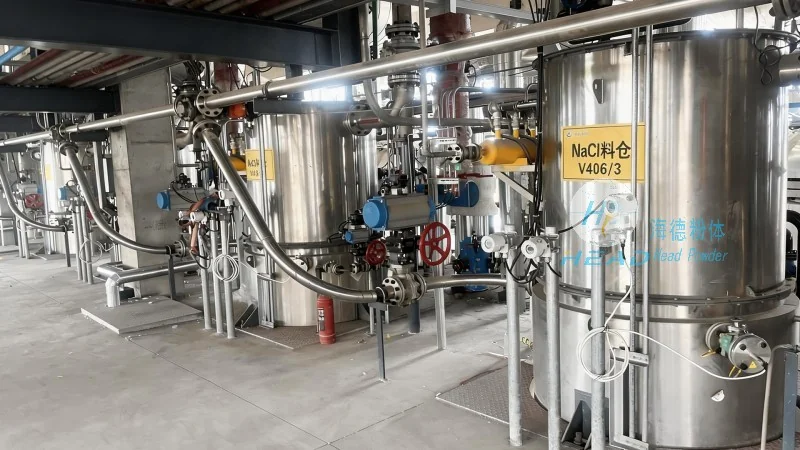
Applications in Various Industries
Bulk bag material handling systems are widely used in various industries, including chemical manufacturing, food processing, pharmaceuticals, and construction. In the chemical industry, these systems are used to handle chemicals and other hazardous materials, ensuring safe and efficient transfer. In the food industry, the systems are used to handle food products, such as grains and powders, while maintaining hygiene and preventing contamination. In the pharmaceutical industry, the systems are used to handle active pharmaceutical ingredients (APIs) and other sensitive materials, ensuring accurate dosing and minimal risk of contamination. In the construction industry, the systems are used to handle construction materials, such as cement and sand, ensuring efficient and reliable delivery to the job site.
Maintenance and Troubleshooting
To ensure the optimal performance of a bulk bag material handling system, regular maintenance is essential. The system should be inspected regularly for any signs of wear and tear, and the components should be cleaned and lubricated as needed. The bulk bag lifter and discharge mechanism should be checked for proper operation, and the conveyor system should be inspected for any blockages or damage. If any issues are detected, the system should be repaired or replaced as soon as possible to prevent downtime and ensure smooth operation. Common issues that may arise include blockages in the discharge spout, wear and tear on the hoist mechanism, and damage to the conveyor system. These issues can be resolved by following the manufacturer's instructions and using appropriate tools and equipment.
Future Developments in Bulk Bag Material Handling Systems
As technology advances, bulk bag material handling systems are becoming more sophisticated and efficient. New technologies, such as automated filling and discharge systems, are being developed to further improve the efficiency and reliability of the systems. Additionally, the use of sensors and monitoring devices is becoming more common, allowing for real-time monitoring of the material flow and ensuring accurate dosing. The integration of these technologies with other industrial systems, such as inventory management and process control, is also becoming more prevalent, allowing for better overall control and optimization of industrial operations.