Automatic material handling systems are sophisticated solutions designed to streamline the movement, storage, and management of materials within industrial and commercial environments. These systems play a crucial role in enhancing operational efficiency, reducing labor costs, and improving overall productivity. The following sections will delve into the operation process and working principles of such systems, providing a comprehensive understanding of their functionality and benefits.
Key Components of an Automatic Material Handling System
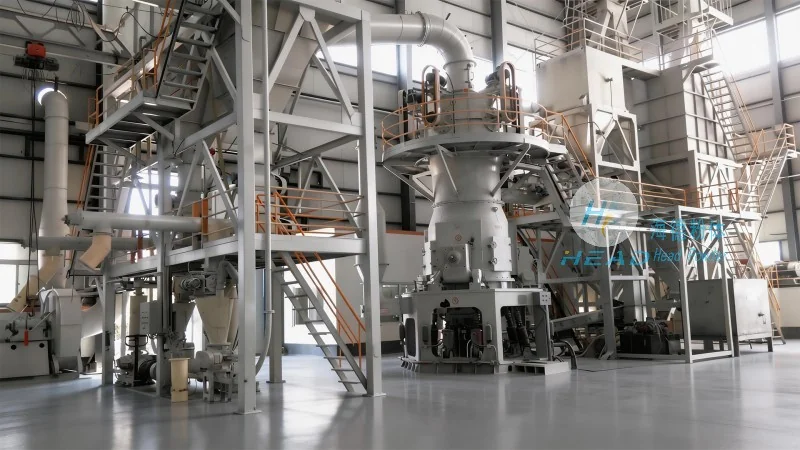
At the core of any automatic material handling system are several interconnected components that work in tandem to ensure smooth operation. These components typically include conveyors, robotic arms, automated storage and retrieval systems (AS/RS), and control systems. Each component serves a specific function, contributing to the system's ability to handle materials with precision and speed. For instance, conveyors are responsible for transporting materials over short or long distances, while robotic arms can perform complex tasks such as picking, placing, and sorting items. The control system, often integrated with software, coordinates the actions of all components, ensuring that operations are carried out in an orderly and efficient manner.
The Operation Process: Step-by-Step Breakdown
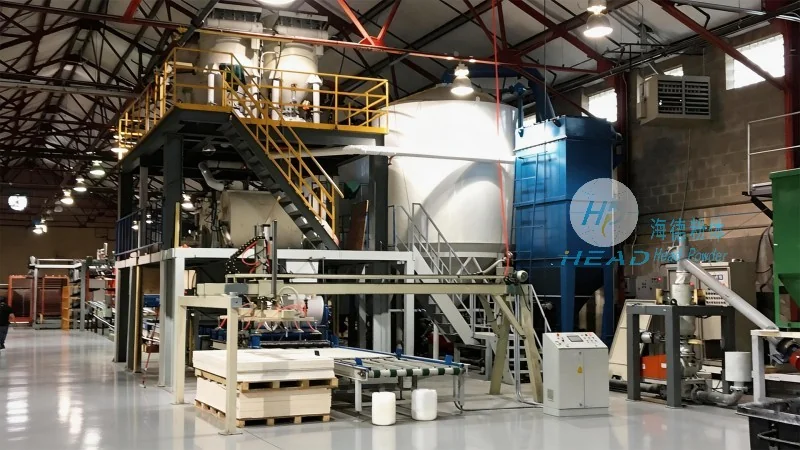
The operation process of an automatic material handling system can be broken down into several key stages, each designed to facilitate the seamless flow of materials. The first stage involves the intake of materials, where items are loaded into the system from a source, such as a warehouse or production line. This stage may involve manual or automated loading, depending on the system's design and the nature of the materials being handled. Once materials are loaded, they proceed to the next stage: sorting and routing. In this stage, the system uses sensors and algorithms to sort materials based on their characteristics, such as size, weight, or destination. The sorted materials are then routed to the appropriate storage or processing location. The third stage is storage and retrieval, where materials are placed in designated storage areas and retrieved when needed. This stage is often managed by an automated storage and retrieval system (AS/RS), which uses vertical or horizontal storage solutions to maximize space efficiency. The final stage involves the delivery of materials to their final destination, such as a packaging line or shipping area. This stage ensures that materials are delivered in a timely and accurate manner, meeting the demands of the production or operational process.
Working Principles: How the System Operates
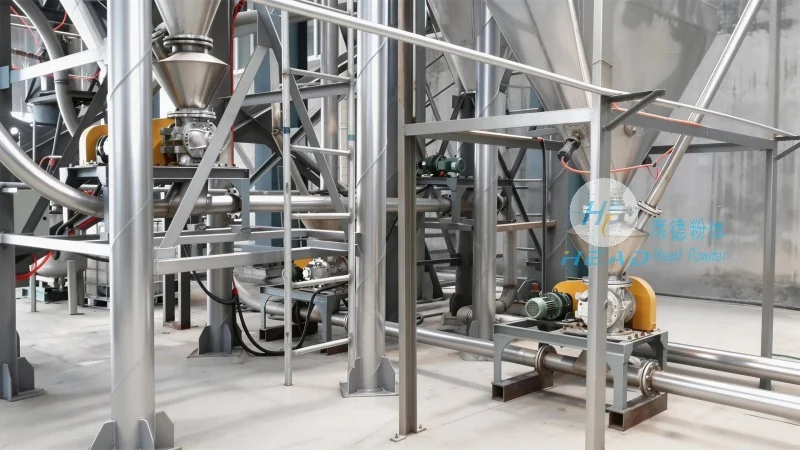
The working principles of an automatic material handling system are based on a combination of mechanical, electrical, and software technologies. The system operates by receiving input from various sensors and control devices, which provide real-time data about the status of materials and equipment. This data is processed by the control system, which then generates commands to direct the actions of the system's components. For example, when a material is detected by a sensor, the control system may issue a command to a conveyor to move the material to the next station. Similarly, if a robotic arm is required to pick up an item, the control system will send signals to the arm's motors, guiding it to the correct position and orientation. The system also incorporates feedback mechanisms to ensure that operations are executed correctly. Sensors and cameras provide feedback on the position and status of materials, allowing the control system to adjust its commands as needed. This feedback loop ensures that the system operates with high accuracy and reliability, minimizing errors and downtime.
Benefits and Applications of Automatic Material Handling Systems
Automatic material handling systems offer numerous benefits to businesses across various industries. These systems can significantly improve operational efficiency by reducing the time and labor required to handle materials. By automating tasks such as sorting, storage, and retrieval, businesses can achieve faster processing times and higher throughput. Additionally, these systems can enhance safety by minimizing the need for manual handling of heavy or hazardous materials. This reduces the risk of workplace injuries and improves overall workplace safety. The systems also contribute to cost savings by optimizing space utilization and reducing labor costs. By using vertical storage solutions and efficient routing, businesses can maximize their warehouse or facility space, reducing the need for additional storage areas. Furthermore, the use of automated systems can improve product quality by ensuring consistent and accurate handling of materials, which is particularly important in industries such as pharmaceuticals or electronics, where precision is critical.
Conclusion
In conclusion, automatic material handling systems are essential tools for modern businesses seeking to enhance their operational efficiency and productivity. By understanding the operation process and working principles of these systems, businesses can make informed decisions about implementing such solutions to meet their specific needs. The key to successful implementation lies in selecting the right components and design for the intended application, ensuring that the system is tailored to the business's requirements. As technology continues to advance, automatic material handling systems are becoming more sophisticated and versatile, offering even greater benefits to businesses in the future.




