

Operating Process and Working Principle of Polyvinyl Alcohol Formaldehyde Material Conveying
HeadPowder, a leading manufacturer based in Shandong, China, specializes in the design and implementation of efficient material conveying systems for polyvinyl alcohol formaldehyde (PVA-F) applications. The operation of such systems is critical for ensuring consistent performance and reliability in industrial settings. This article provides a detailed overview of the operational process and underlying principles governing the conveyance of PVA-F materials.
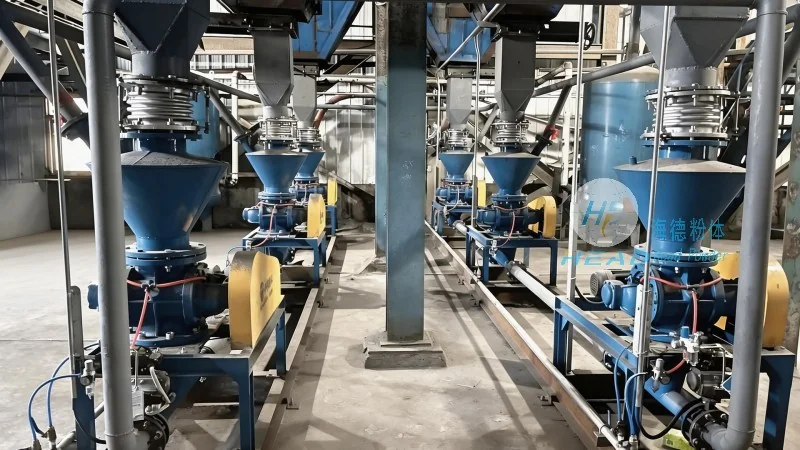
PVA-F, a synthetic polymer widely used in various industries including textiles, adhesives, and coatings, requires specialized handling due to its physical and chemical properties. The material conveying process for PVA-F typically involves several key stages, each designed to maintain the integrity of the polymer while ensuring smooth transfer from storage to processing units. The system's design integrates components such as feeders, conveyors, and control mechanisms to optimize material flow and minimize downtime.
At the core of the PVA-F material conveying system is the feeding mechanism. This component is responsible for uniformly distributing the PVA-F material into the conveyor system. In many applications, a screw feeder or a rotary valve is employed to control the flow rate, which is crucial for maintaining consistent material density and preventing blockages. The feeding mechanism is often equipped with sensors to monitor the material level and adjust the feed rate dynamically, ensuring that the conveyor operates at optimal capacity.
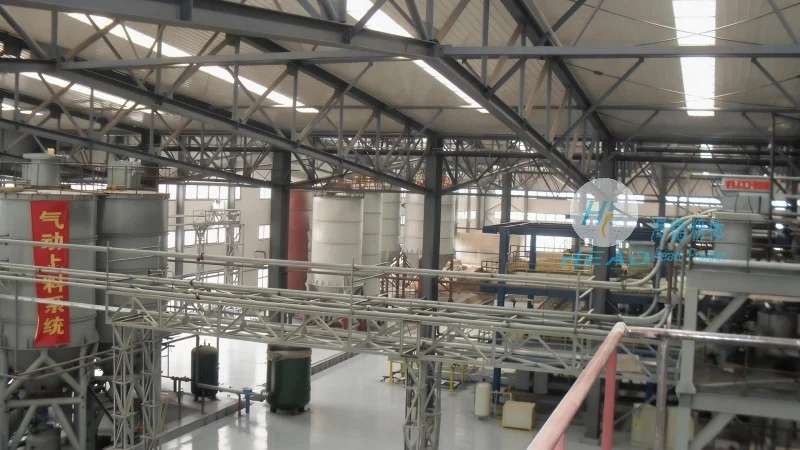
The conveying component, usually a belt or screw conveyor, transports the PVA-F material from the feeding station to the processing or storage area. The choice of conveyor type depends on the material's characteristics, such as its moisture content and bulk density. For PVA-F, which can be hygroscopic and prone to clumping, a screw conveyor is often preferred as it provides gentle handling and prevents material degradation. The conveyor speed is carefully calibrated to match the production requirements, balancing throughput with the need to avoid excessive stress on the material.
Control systems play a vital role in the operation of PVA-F material conveying systems. These systems integrate sensors, such as load cells and level detectors, to monitor the material flow and system performance in real-time. The data collected by these sensors is processed by a programmable logic controller (PLC), which adjusts the feeder speed, conveyor speed, and other parameters to maintain stable operation. Additionally, the control system includes safety features, such as emergency stop buttons and overload protection, to prevent accidents and equipment damage.
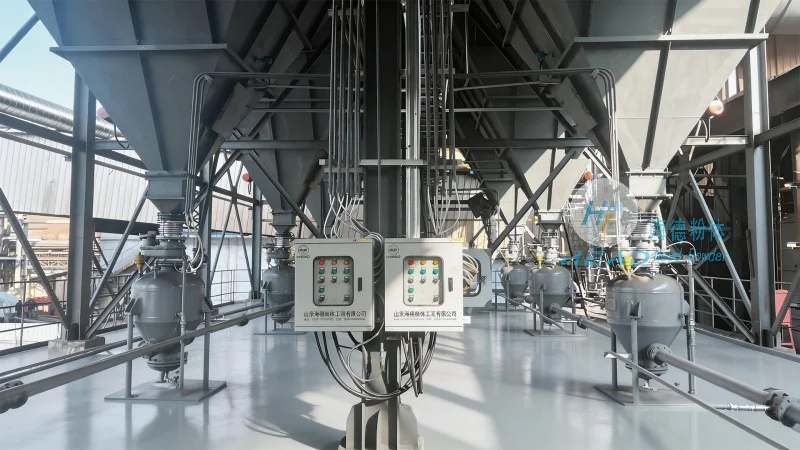
The working principle of the PVA-F material conveying system is based on the principles of mechanical transport and material handling. The system utilizes gravity and mechanical force to move the material through the conveyor. The feeding mechanism introduces the material into the conveyor, where it is propelled forward by the rotating components of the screw or belt. The control system ensures that the material is conveyed at a consistent rate, preventing overloading or underloading of the system. This approach minimizes material degradation and ensures that the PVA-F reaches its destination in the desired condition.
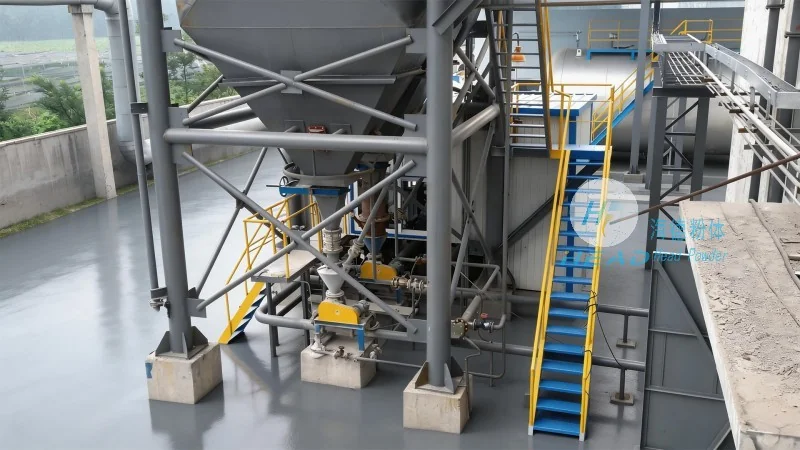
HeadPowder's expertise in PVA-F material conveying systems is evident in the robust design and reliable performance of their equipment. By integrating advanced control technologies and material handling expertise, the company ensures that their systems meet the stringent requirements of industrial applications. The operational process, as described, is optimized for efficiency, safety, and durability, making it a preferred choice for manufacturers relying on PVA-F in their production processes.
Understanding the operating process and working principles of PVA-F material conveying systems is essential for optimizing industrial operations. The integration of feeding, conveying, and control components, as detailed above, ensures that the material is handled effectively and efficiently. HeadPowder's commitment to quality and innovation in material handling solutions positions them as a trusted partner for businesses seeking reliable PVA-F conveying systems. With a focus on practical application and performance, their systems contribute to improved productivity and reduced operational costs in various industries.