

Operation Process and Working Principle of Anode Material Particle Material Handling
For companies in the battery manufacturing industry, the efficient handling of anode material particles is a critical aspect of production. The process of transporting these materials from one stage to another within the production line directly impacts overall productivity and product quality. In this context, understanding the operation process and working principle of anode material particle material handling systems is essential for optimizing operations and ensuring consistent performance.
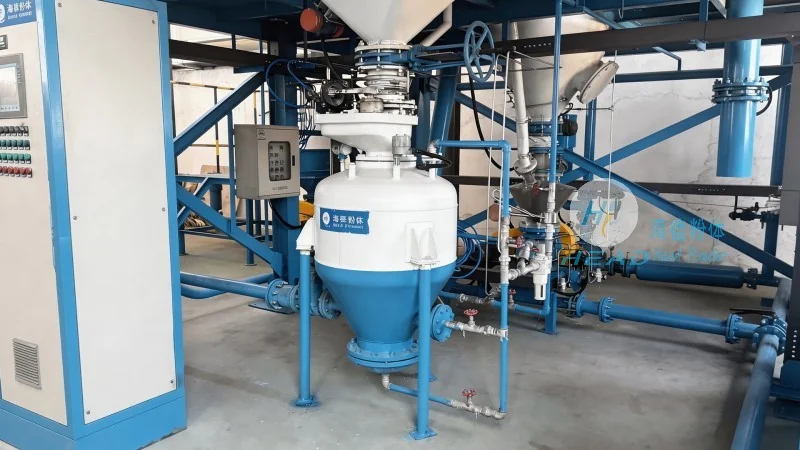
HeadPowder, a leading provider in the field, specializes in engineering solutions tailored to the unique demands of anode material handling. With a focus on precision and reliability, their systems are designed to meet the stringent requirements of modern battery production facilities. The following sections will delve into the detailed operation process and working principles of these material handling systems, highlighting the key components and their functional roles.
Key Components of the Material Handling System
The anode material particle material handling system typically consists of several interconnected components that work in harmony to achieve efficient material transport. These components include conveyors, feeders, storage bins, and control systems. Each component plays a specific role in the overall process, ensuring that anode material is moved safely and effectively through the production line.
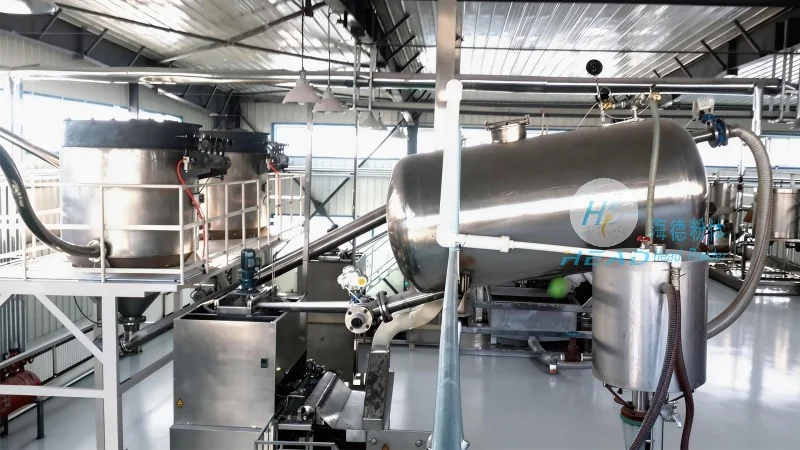
Conveyors are the primary means of transporting anode material particles from one location to another. There are various types of conveyors used in such systems, including belt conveyors, screw conveyors, and pneumatic conveyors. The choice of conveyor type depends on factors such as the size and shape of the anode particles, the required transport speed, and the layout of the production facility. Belt conveyors, for example, are commonly used for transporting larger anode particles over longer distances, while screw conveyors are ideal for handling finer particles in vertical or horizontal orientations.
The Working Principle of Material Transport
The working principle of anode material particle material handling involves a series of controlled steps that ensure the material is moved in a consistent and controlled manner. The process begins with the feeding of anode material into the system, usually from a storage bin or hopper. The material is then transferred to the conveyor system, where it is carried to the next stage of production.
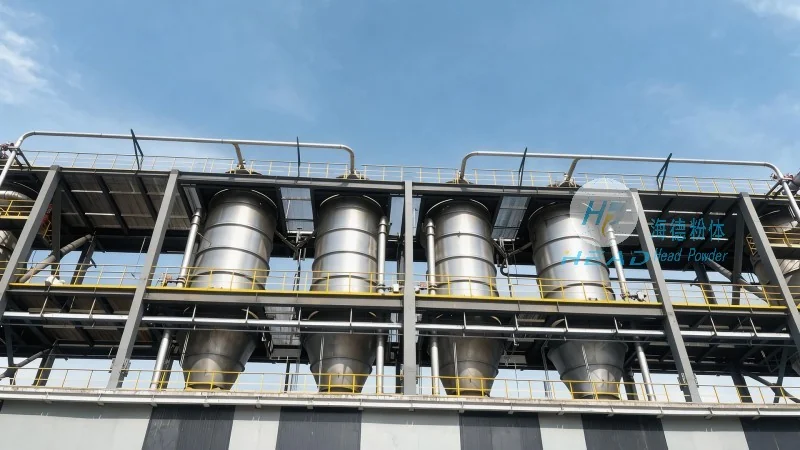
Feeding mechanisms, such as rotary feeders or vibratory feeders, are used to regulate the flow of anode material into the conveyor. These feeders ensure that the material is discharged at a uniform rate, preventing overloading or underloading of the conveyor. The conveyor then transports the material to the processing or packaging stage, where it is further processed or prepared for use in battery production.
Control Systems and Automation
Modern anode material handling systems are equipped with advanced control systems that monitor and regulate the entire process. These systems use sensors and feedback mechanisms to adjust the speed of the conveyor, the flow rate of the material, and other parameters to maintain optimal performance. Automation plays a crucial role in ensuring that the system operates efficiently and safely, minimizing the risk of accidents or material loss.
Operational Efficiency and Maintenance
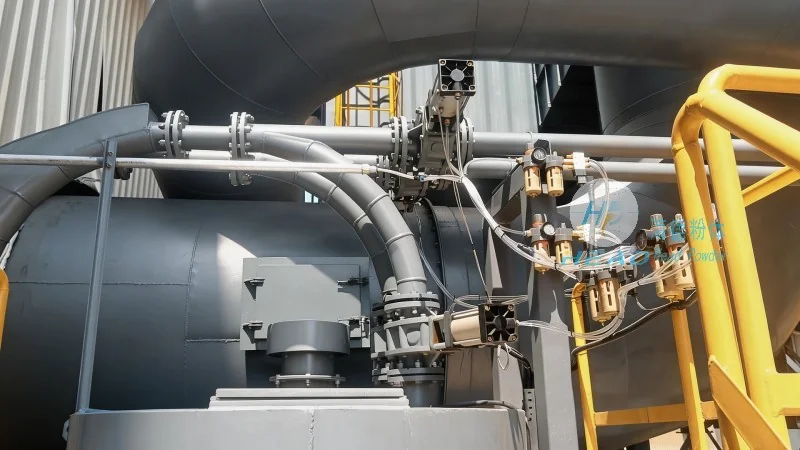
The efficiency of an anode material handling system is directly related to its maintenance and operational practices. Regular maintenance, including cleaning of conveyor belts, lubrication of moving parts, and inspection of sensors, is essential to ensure the system operates at peak performance. HeadPowder emphasizes the importance of proper maintenance to extend the lifespan of their equipment and reduce downtime.
In conclusion, the operation process and working principle of anode material particle material handling systems are complex but essential for the efficient production of battery anodes. By understanding the key components and the step-by-step process, manufacturers can optimize their operations and improve overall productivity. HeadPowder's expertise in this field ensures that their systems are designed to meet the highest standards of performance and reliability, supporting the growth and success of battery manufacturing companies worldwide.