Wet sodium nitrate, a vital chemical material widely utilized in fertilizer production and other industrial sectors, demands efficient and reliable material handling systems to ensure smooth production workflows. The operation process and working principle of equipment designed for handling this specific material are essential for maintaining operational efficiency and safety. This article provides an in-depth overview of the system's operation, focusing on the technical aspects and practical implementation by Shandong HeadPowder Engineering Co., Ltd., a leading provider in the field.
Introduction to Wet Sodium Nitrate Handling Systems
Wet sodium nitrate, often found in slurry or semi-solid forms due to its moisture content, presents unique challenges during material transport. Traditional handling methods may struggle with issues such as clogging, corrosion, and material degradation. To address these challenges, specialized equipment is required that can effectively manage the material's physical properties while ensuring safe and efficient operation. Shandong HeadPowder Engineering Co., Ltd. has developed advanced material handling solutions tailored to the specific needs of wet sodium nitrate, combining robust engineering with practical design considerations.
Key Components of the Material Handling System
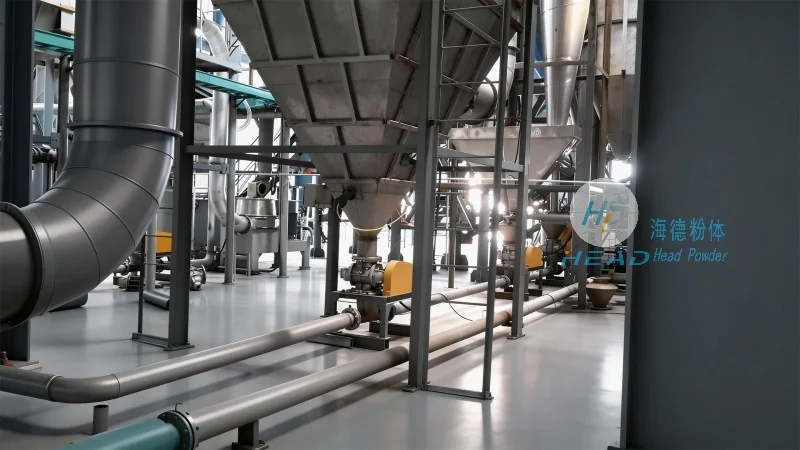
The material handling system for wet sodium nitrate typically consists of several key components that work in tandem to ensure seamless operation. These components include feed hoppers, conveyor systems (often using screw or belt conveyors), pumping units, and control panels. Each component is designed to handle the material's characteristics, such as its high moisture content and potential for abrasion. The feed hopper is responsible for receiving the wet sodium nitrate from storage or processing areas, while the conveyor system transports the material to the next stage of processing. The pumping unit, equipped with specialized impellers and seals, ensures the material is moved through pipelines without clogging or leakage. The control panel allows operators to monitor and adjust the system parameters in real-time, optimizing performance and safety.
Operation Process of the Wet Sodium Nitrate Handling System
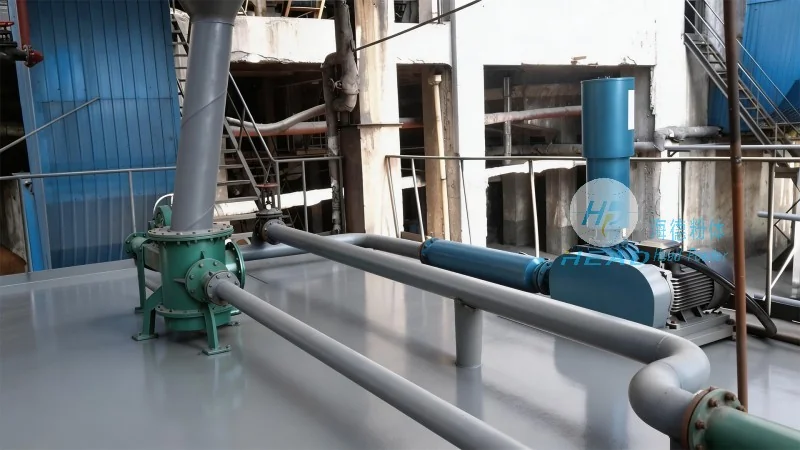
The operation process of the wet sodium nitrate handling system begins with the material being loaded into the feed hopper. The hopper is designed with a sloped bottom to facilitate the flow of the slurry, preventing material buildup and ensuring consistent feed rates. Once the material is in the hopper, it is fed into the conveyor system, which transports it to the pumping unit. The conveyor system may use a screw conveyor or a belt conveyor, depending on the specific application and material characteristics. The screw conveyor is particularly effective for handling semi-solid materials as it can push the material forward without causing excessive pressure or clogging. The pumping unit then takes over, using a centrifugal or positive displacement pump to move the material through the pipeline. The pump is equipped with corrosion-resistant materials, such as stainless steel or special alloys, to withstand the chemical properties of sodium nitrate and prevent degradation over time. The system is controlled by a programmable logic controller (PLC), which monitors parameters like flow rate, pressure, and temperature, and adjusts the operation as needed to maintain optimal conditions.
Working Principle of the System
The working principle of the wet sodium nitrate handling system is based on the principles of fluid dynamics and mechanical transport. The system operates by converting the potential energy of the material in the hopper into kinetic energy through the conveyor and pump. The conveyor system uses rotational motion to move the material forward, while the pump uses pressure to force the material through the pipeline. The control system ensures that the flow rate and pressure are maintained within safe and efficient operating ranges. The system is designed to handle the material's high moisture content and abrasive nature, with components such as seals and bearings selected to minimize wear and tear. The overall design aims to maximize material throughput while minimizing energy consumption and operational costs.
Benefits and Applications
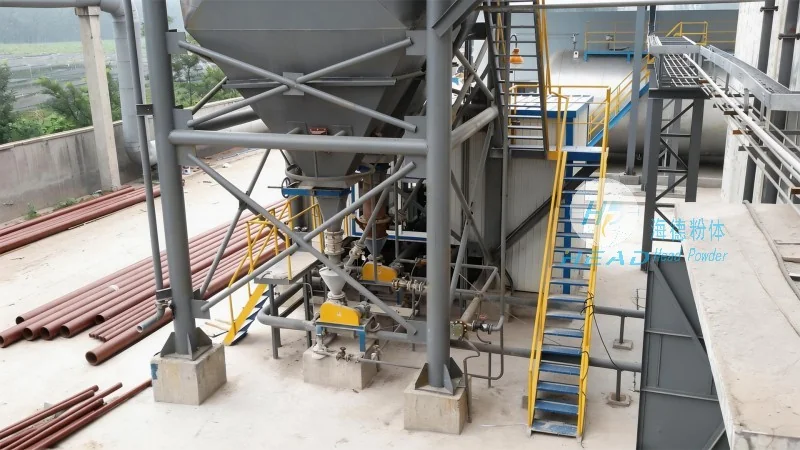
The wet sodium nitrate handling system developed by Shandong HeadPowder Engineering Co., Ltd. offers several benefits for industrial applications. These include improved material flow, reduced downtime due to clogging or equipment failure, and enhanced safety features to prevent accidents. The system is particularly suitable for fertilizer production plants, where large volumes of wet sodium nitrate are processed daily. It can also be adapted for other industries, such as chemical manufacturing and mining, where similar material handling challenges exist. The system's modular design allows for easy integration into existing production lines and can be customized to meet specific customer requirements.
Conclusion
In conclusion, the operation process and working principle of wet sodium nitrate material handling systems are critical for ensuring efficient and safe production. Shandong HeadPowder Engineering Co., Ltd. has developed advanced solutions that address the unique challenges of handling this material, combining robust engineering with practical design. The system's components work together to ensure consistent material flow, minimize downtime, and optimize operational performance. By understanding the operation process and working principle, industrial facilities can improve their production efficiency and maintain compliance with safety standards.




