

Operation Process and Working Principle of Synthetic Fiber Material Conveying
Shandong HeadPowder Engineering Co., Ltd., a leading enterprise based in Shandong, China, specializes in the design, manufacturing, and implementation of advanced synthetic fiber material conveying systems. The company's expertise lies in optimizing the flow and handling of synthetic fibers, ensuring efficient and reliable operations for various industrial applications. This article provides a detailed overview of the operation process and working principle of such systems, highlighting the key components and mechanisms that contribute to their effectiveness.
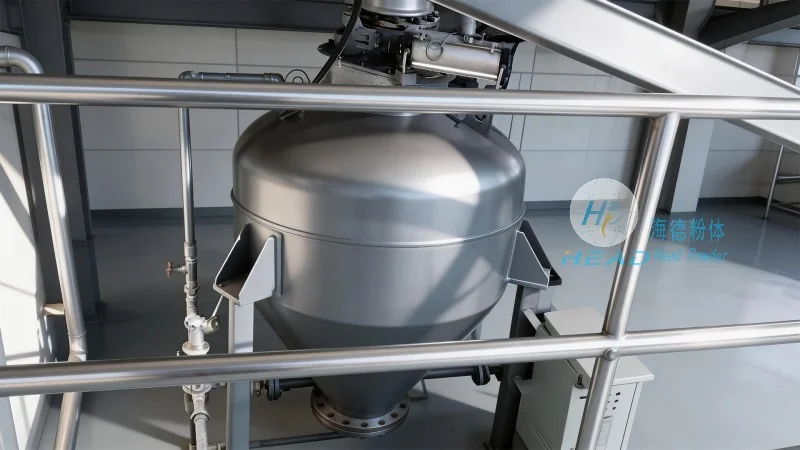
Introduction to Synthetic Fiber Material Conveying Systems
Synthetic fiber material conveying systems are essential in industries such as textiles, chemicals, and manufacturing, where the efficient transport of synthetic fibers is critical for production efficiency and product quality. These systems are engineered to handle a wide range of synthetic fibers, including polyester, nylon, acrylic, and polypropylene, with precision and minimal loss. The design of these systems is tailored to meet the specific requirements of each application, ensuring optimal performance under diverse operational conditions.
Key Components of Synthetic Fiber Conveying Systems
The synthetic fiber material conveying system typically consists of several core components that work in concert to facilitate the movement of fibers. These components include feed hoppers, conveying mechanisms (such as screw conveyors, pneumatic conveyors, or belt conveyors), control systems, and material handling accessories. Each component plays a crucial role in the overall operation, contributing to the system's reliability and efficiency.
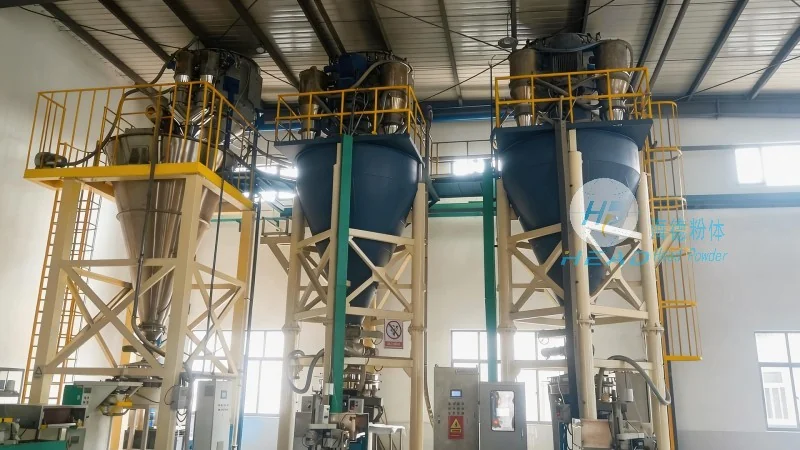
Operation Process of Synthetic Fiber Material Conveying
The operation process of a synthetic fiber material conveying system begins with the loading of raw synthetic fibers into the feed hopper. The hopper is designed to hold a sufficient quantity of material, ensuring a continuous supply to the conveying mechanism. Once the material is loaded, the system's control panel activates the conveying mechanism, which then transports the fibers through the system's pipeline or conveyor path. The conveying process may involve multiple stages, such as pre-conveying, main conveying, and final discharge, depending on the system's configuration and the application's requirements.
Working Principle of Synthetic Fiber Material Conveying
The working principle of synthetic fiber material conveying systems is based on the physical properties of synthetic fibers and the mechanical forces applied to move them. For example, pneumatic conveying systems utilize air pressure to transport fibers through a pipeline, while screw conveyors rely on rotating screws to push the material forward. The choice of conveying mechanism depends on factors such as fiber type, particle size, and the distance to be covered. The system's control system monitors parameters like pressure, flow rate, and temperature to maintain optimal operation and prevent issues like blockages or material degradation.
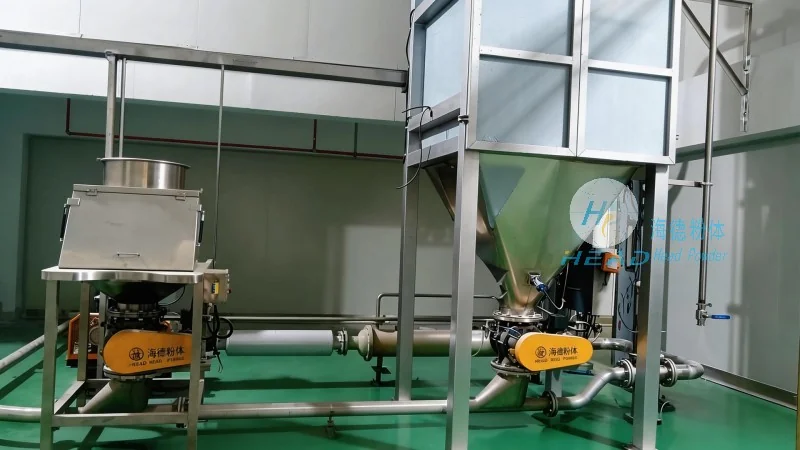
Advantages of Synthetic Fiber Conveying Systems
Advanced synthetic fiber material conveying systems offer numerous advantages over traditional manual or mechanical handling methods. These include improved efficiency, reduced labor costs, enhanced product quality, and increased safety. The systems are designed to minimize fiber loss and contamination, ensuring that the delivered material meets the required specifications. Additionally, the automated control systems allow for precise regulation of the conveying process, enabling consistent performance and reduced downtime.
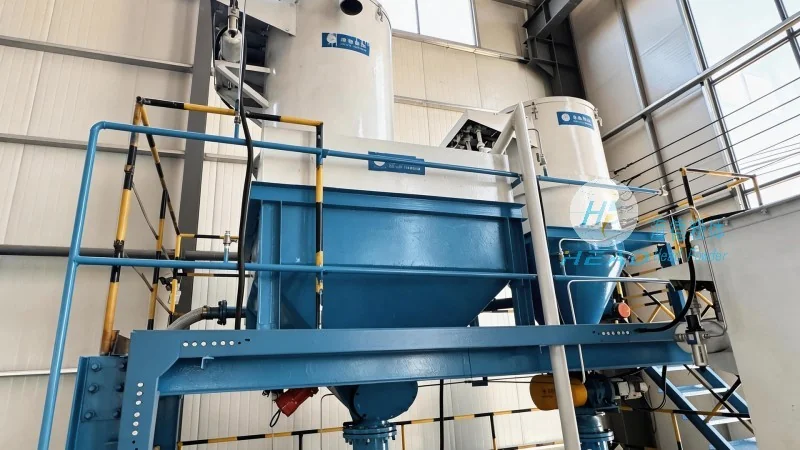
Application Examples and Industry Impact
Synthetic fiber material conveying systems are widely used in various industries, including textile manufacturing, where they are used to transport raw fibers to spinning machines, and chemical processing, where they are used to move fibers for further processing. The systems also play a crucial role in recycling applications, where they help in the separation and transport of synthetic fibers from waste materials. By optimizing the handling of synthetic fibers, these systems contribute to the overall productivity and sustainability of industrial operations.
Conclusion and Company Commitment
Shandong HeadPowder Engineering Co., Ltd. remains committed to providing high-quality synthetic fiber material conveying systems that meet the evolving needs of the industry. Through continuous innovation and adherence to industry standards, the company ensures that its systems deliver reliable performance and contribute to the success of its clients. The operation process and working principle of these systems are designed to be efficient, durable, and adaptable, making them a valuable asset for any synthetic fiber handling operation.