Polyethylene resin powder is a critical material in various industrial applications, from plastic manufacturing to packaging. Efficient and reliable transportation of this fine powder is essential to maintain production efficiency and product quality. Pneumatic conveying systems, particularly those designed for polyethylene resin powders, offer a solution that minimizes material degradation and ensures consistent flow. This article explores the operation process and working principle of a polyethylene resin powder pneumatic conveying machine, highlighting the key aspects that make such systems effective.
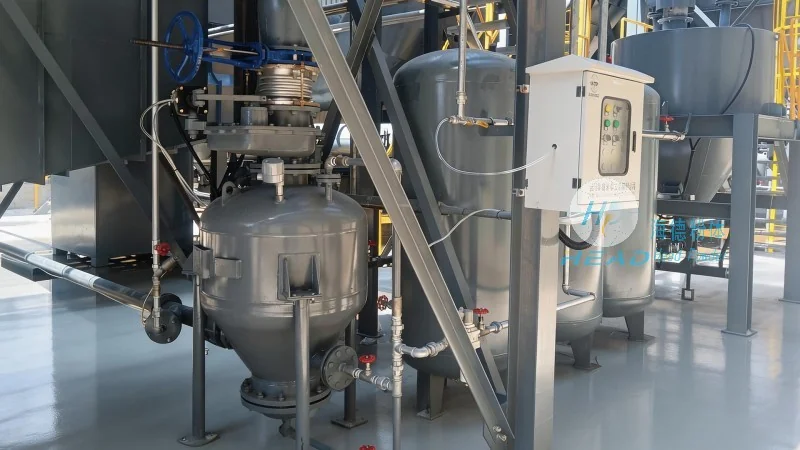
Key Components and Their Functions in Pneumatic Conveying Equipment
A pneumatic conveying system for polyethylene resin powder typically consists of several core components, each playing a vital role in the overall operation. The main components include the hopper, which stores the resin powder; the air compressor or blower, which generates the necessary air pressure; the conveying line, which transports the powder; and the receiver, where the material is deposited. Additionally, control valves, filters, and pressure regulators are often integrated to ensure smooth and controlled operation. Each component is designed to handle the specific characteristics of polyethylene resin, such as its fine particle size and potential for static charge buildup.
The Operation Process of a Polyethylene Resin Powder Pneumatic Conveying Machine
The operation of a polyethylene resin powder pneumatic conveying machine follows a systematic sequence. First, the resin powder is fed into the hopper from a storage silo or bag. The air compressor then starts, creating a pressure differential between the hopper and the conveying line. As air is introduced into the hopper, it lifts the resin powder particles and carries them through the conveying line to the receiver. The process continues until the desired amount of material is transferred. The system is equipped with sensors and controls to monitor pressure, flow rate, and material level, ensuring that the operation is safe and efficient.
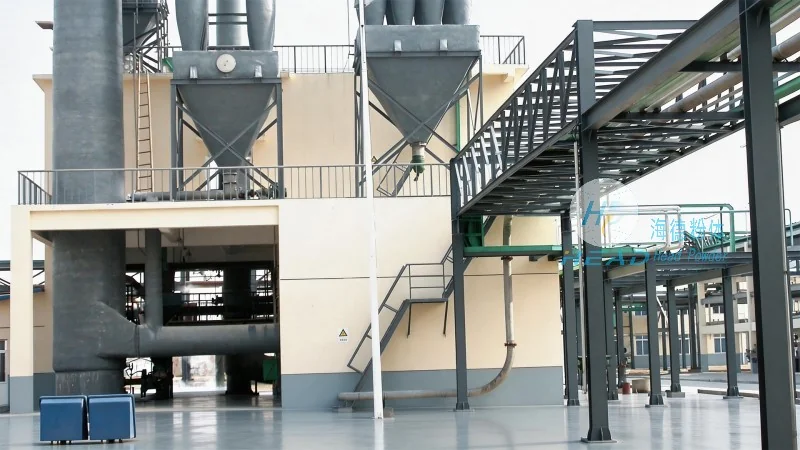
Working Principle Explained: How Air and Resin Powder Interact
The working principle of a pneumatic conveying system relies on the interaction between air and the polyethylene resin powder. When air is forced into the hopper, it creates a low-pressure environment that draws the powder particles into the air stream. The air then carries the particles through the conveying line, where they are separated from the air by a filter or cyclone in the receiver. The key to efficient conveying is maintaining the correct air velocity and pressure to prevent particle segregation or blockages. For polyethylene resin, which can be prone to static electricity, anti-static measures are often incorporated into the system to prevent powder buildup and ensure smooth flow.
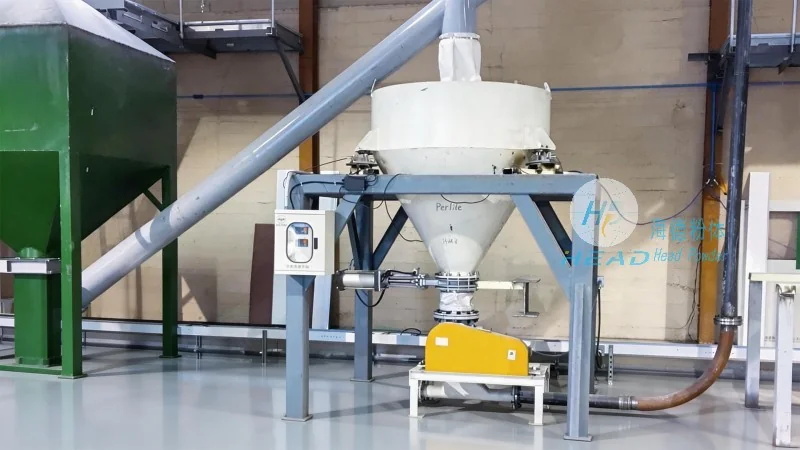
Practical Applications and Benefits of Using Pneumatic Conveying for Polyethylene Resin
Pneumatic conveying systems are widely used in the polyethylene resin industry due to their versatility and efficiency. They are particularly suitable for applications where traditional mechanical conveying methods may cause material degradation or contamination. The benefits of using pneumatic conveying include reduced labor costs, minimized material handling time, and improved product quality by preventing exposure to moisture or contaminants. Additionally, these systems can be integrated into existing production lines with minimal modifications, making them a cost-effective solution for many manufacturers.
About Shandong HeadPowder Engineering Co., Ltd.
Shandong HeadPowder Engineering Co., Ltd., operating under the brand name headpowder, is a leading manufacturer of pneumatic conveying equipment tailored for polyethylene resin and other fine powders. With a focus on innovation and quality, the company designs and manufactures systems that meet the specific needs of industrial clients. HeadPowder's facilities are located in Shandong, China, where the company leverages advanced technology and expertise to deliver reliable and efficient solutions. The company's commitment to customer satisfaction and product excellence has established it as a trusted partner in the material handling industry.




