

Operation Process and Working Principle of Automatic Bulk Bag Feeding Pneumatic Conveying System Equ
HeadPowder, a leading manufacturer based in Shandong, China, specializes in providing advanced pneumatic conveying systems for industrial applications. The automatic bulk bag feeding system is a sophisticated piece of equipment designed to efficiently transfer bulk materials from large bags into processing units. This system integrates automation and pneumatic technology to ensure reliable and continuous material handling, minimizing manual intervention and enhancing operational efficiency.
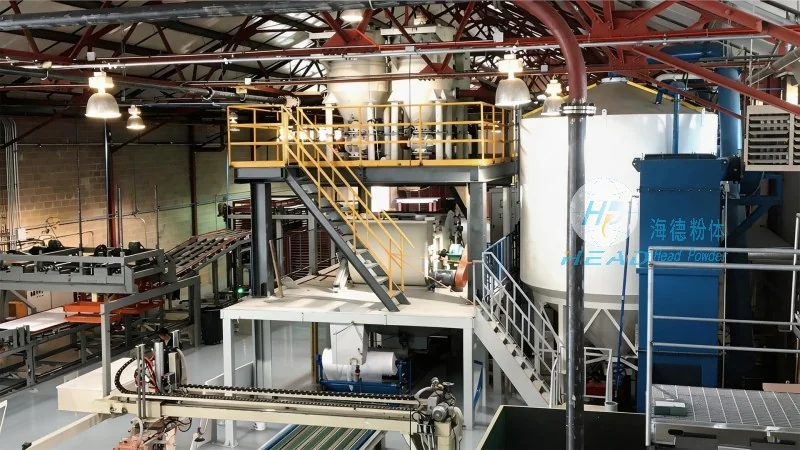
Overview of the Automatic Bulk Bag Feeding Pneumatic Conveying System
The automatic bulk bag feeding system is engineered to handle bulk materials such as powders, granules, and other dry substances. It features a compact yet robust design that can be customized to meet specific industrial requirements. The system typically includes components like a bulk bag discharger, a hopper, a pneumatic conveying line, and a control panel. Each component works in harmony to facilitate seamless material transfer from the bag to the processing equipment.
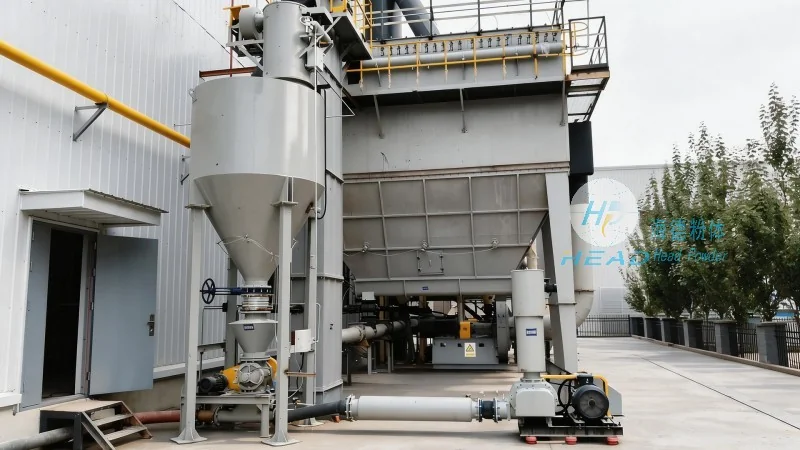
Key Components and Their Functions
1. **Bulk Bag Discharger**: This component is responsible for opening and emptying the bulk bag. It may include a bag support frame, a bag clamp, and a discharge valve. The discharger ensures that the bag is securely positioned and that the material flows out smoothly without blockages. 2. **Hopper**: The hopper acts as a temporary storage container that collects the material discharged from the bulk bag. It is designed with a sloped bottom to facilitate the flow of material into the pneumatic conveying line. The hopper also helps in reducing material segregation and maintaining a consistent flow rate. 3. **Pneumatic Conveying Line**: This is the core of the system, consisting of a pipeline, air compressor, and air distribution components. The pneumatic conveying line uses compressed air to transport the material from the hopper to the destination point, such as a silo, mixer, or processing machine. The air compressor generates the necessary pressure to move the material through the pipeline, while the air distribution system ensures uniform air flow and prevents material settling. 4. **Control Panel**: The control panel is equipped with sensors, valves, and a user interface that allows operators to monitor and control the system's operation. It may include features like material level sensors, pressure gauges, and alarm systems to detect and address any issues promptly. The control panel enables automated operation, reducing the need for manual adjustments and enhancing safety.
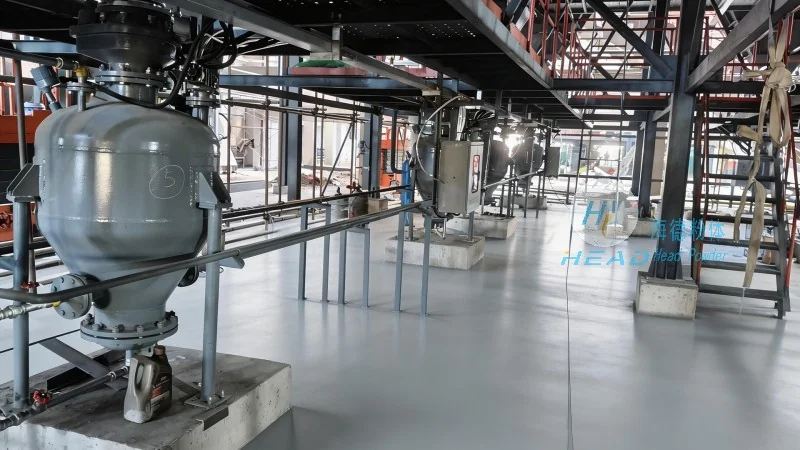
Operation Process of the System
The operation of the automatic bulk bag feeding system follows a systematic sequence to ensure efficient material transfer. The process begins with the placement of a bulk bag onto the discharger's support frame. The bag is then secured, and the discharge valve is opened to allow the material to flow into the hopper. Simultaneously, the pneumatic conveying system is activated, and compressed air is introduced into the pipeline. The air pressure creates a flow that pulls the material from the hopper and transports it through the conveying line to the processing unit. As the material is transferred, the hopper level is monitored, and the system adjusts the air flow rate to maintain a consistent flow. Once the bulk bag is empty, the system automatically shuts down, and the operator can replace the bag for the next batch. The entire process is controlled by the system's control panel, which provides real-time feedback and ensures smooth operation.
Working Principle of the Pneumatic Conveying Mechanism
The working principle of the automatic bulk bag feeding system is based on the pneumatic conveying technology, which utilizes compressed air to move bulk materials through a pipeline. The system operates on the principle of creating a pressure differential between the hopper and the destination point. The air compressor generates high-pressure air, which is introduced into the conveying line. As the air flows through the pipeline, it creates a low-pressure zone at the hopper end, which draws the material into the line. The material is then carried by the air stream and transported to the destination. The velocity of the air and the size of the particles determine the conveying efficiency. The system may use different conveying modes, such as dilute phase or dense phase, depending on the material characteristics and the required distance. Dilute phase conveying is suitable for short distances and fine powders, while dense phase conveying is used for longer distances and larger particles. The control panel adjusts the air pressure and flow rate to optimize the conveying process and prevent material degradation or blockages.
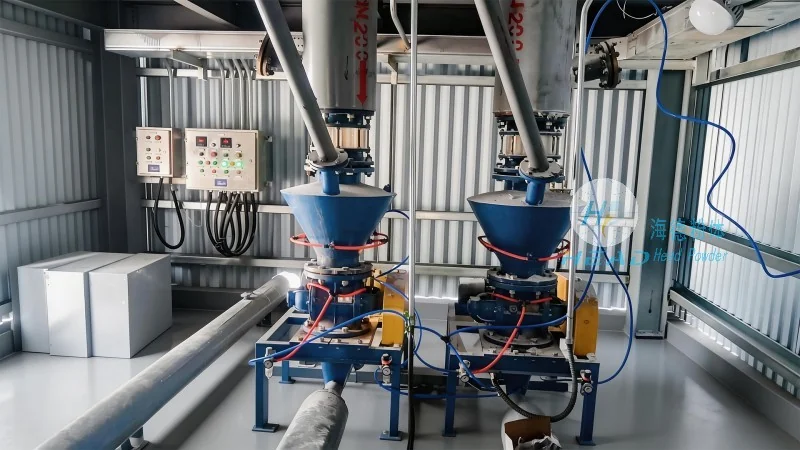
Advantages and Applications
The automatic bulk bag feeding system offers several advantages that make it an ideal choice for industrial applications. First, it significantly reduces labor costs by automating the material handling process. The system requires minimal manual intervention, allowing operators to focus on other tasks. Second, it enhances operational efficiency by ensuring continuous and reliable material transfer. The automated control system minimizes downtime and maximizes production output. Third, it improves safety by reducing the risk of manual handling of bulk bags and preventing material spills. The system also helps in maintaining a clean and organized workspace by containing the material within the equipment. The automatic bulk bag feeding system is widely used in various industries, including pharmaceuticals, food processing, chemicals, and mining. It is particularly suitable for applications that require the transfer of large quantities of bulk materials from bags to processing equipment, such as mixing, blending, or packaging. The system's flexibility allows it to be integrated into existing production lines, enhancing overall productivity and reducing operational costs.