

Operation Process and Working Principle of Dust Gas-Pneumatic Conveying System Equipment
HeadPowder, a prominent engineering company headquartered in Shandong, China, specializes in the development and manufacturing of advanced dust gas-pneumatic conveying systems. These systems are widely used in various industrial sectors to efficiently transport bulk materials such as powders, granules, and fine particles. The primary advantage of gas-pneumatic conveying is its ability to move materials through pipelines using air pressure, offering a flexible and often more economical solution compared to traditional mechanical conveying methods like screw conveyors or belt conveyors.
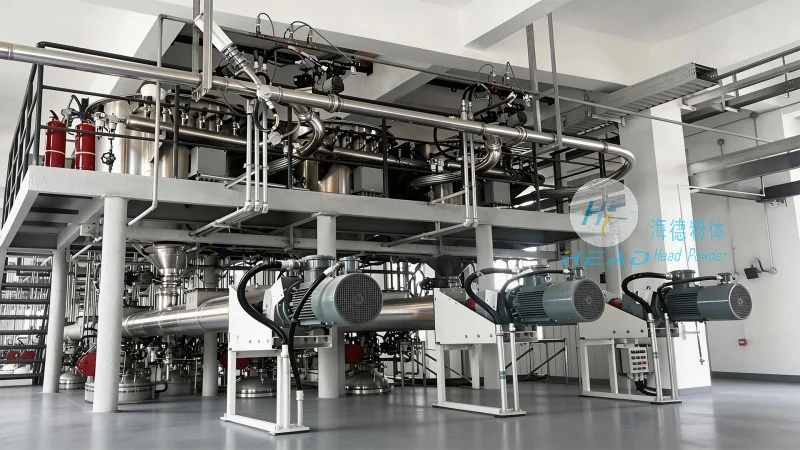
The Operation Process of Dust Conveying Equipment
The operation of a typical dust gas-pneumatic conveying system involves a series of coordinated steps. The process begins with the material being fed into the system from a storage hopper or silo via a feeder. The feeder, which can be a screw, vibratory, or rotary type, ensures a consistent and controlled flow of material into the pipeline. Next, a high-pressure fan or blower generates the necessary air pressure, which is then introduced into the pipeline. As the air flows through the line at a sufficient velocity, it lifts and transports the material particles. The material is carried along the pipeline to the destination point, which is typically a receiver or a processing unit. The receiver collects the material and may include a discharge valve to control the release of the material. Throughout the process, a control unit monitors and adjusts parameters such as air pressure, flow rate, and material feed rate to maintain optimal performance and prevent system overload or blockages.
Working Principle of the Conveying Equipment
The working principle of dust gas-pneumatic conveying systems is based on the fundamental concept of pneumatic transport, where air acts as the conveying medium. The system operates under either positive pressure or negative pressure. In positive pressure systems, the fan forces air into the pipeline, creating a pressure higher than the ambient air. This pressure pushes the material through the line, making it suitable for long-distance or high-rise applications. Negative pressure systems, conversely, use a fan to draw air out of the pipeline, creating a vacuum that pulls the material in. These systems are often used for shorter distances or low-rise setups due to their lower energy consumption and simpler design. The efficiency of the system depends on factors like the material's particle size, density, and moisture content, as well as the air velocity and pressure. Proper design, including the appropriate pipe diameter and air velocity, is crucial to ensure smooth material transport and minimize energy waste.
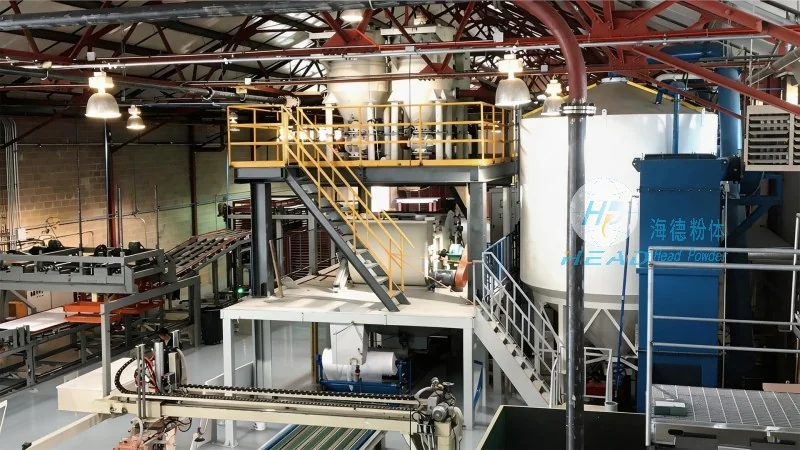
Key Components and Their Functions
HeadPowder's dust gas-pneumatic conveying systems comprise several critical components, each with a specific function. The feeder is the first component, responsible for introducing the material into the system at a controlled rate. It prevents material buildup and ensures a steady flow, which is essential for maintaining system efficiency. The pipeline network is the main conduit for transporting the material, typically made of durable materials like stainless steel or corrosion-resistant plastic to withstand the pressure and temperature of the conveying process. The receiver is located at the end of the pipeline and collects the material. It may include a hopper or a storage tank and is equipped with a discharge valve to regulate the release of material. The control unit is the brain of the system, monitoring sensors such as pressure transmitters, flow meters, and level indicators to adjust the fan speed or feed rate as needed. Additionally, the system may include filters and cyclones to separate the material from the air, ensuring that the air is clean and can be recirculated or safely discharged. These components work together to create a reliable and efficient conveying system.
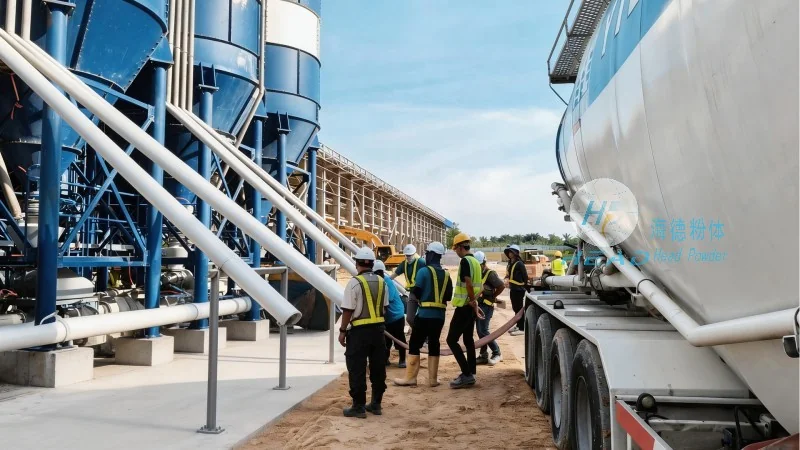
Advantages of Using Dust Gas-Pneumatic Conveying Systems
There are numerous advantages to implementing dust gas-pneumatic conveying systems in industrial operations. One of the key benefits is the flexibility to transport materials to multiple destinations from a single source. The system can be easily reconfigured to change the destination or adjust the flow rate, making it adaptable to changing production needs. Unlike mechanical systems, gas-pneumatic conveying does not require physical contact with the material, reducing wear and tear on equipment and minimizing the risk of contamination. This makes it ideal for applications in the food, pharmaceutical, and chemical industries where hygiene is paramount. Another advantage is the ability to handle a wide range of materials, from fine powders to coarse granules, without the need for pre-processing. The system can also operate in various environments, including dusty or hazardous conditions, as the material is contained within the pipeline. Finally, gas-pneumatic conveying is often more energy-efficient than traditional methods, as it uses less power to transport materials over long distances, leading to lower operational costs.
Applications in Industrial Sectors
HeadPowder's dust gas-pneumatic conveying systems are widely applied across various industrial sectors. In the chemical industry, they are used to transport raw materials like powders and granules to reactors and processing units. In the food and beverage industry, they are employed to convey ingredients such as flour, sugar, and spices to production lines, ensuring a hygienic and efficient process. The pharmaceutical industry also benefits from these systems, as they can transport active pharmaceutical ingredients (APIs) and other powders with minimal risk of contamination. Additionally, in the mining and minerals sector, gas-pneumatic conveying is used to transport ore and other bulk materials from processing plants to storage or shipping facilities. The versatility and reliability of HeadPowder's systems make them suitable for a wide range of applications, providing industrial companies with a cost-effective and efficient solution for material handling.