Sorghum distillers grains are a critical byproduct in the distillation industry, and efficient handling of these materials is essential for maintaining production efficiency and product quality. Pneumatic conveying systems have become a preferred solution for transporting such bulk materials, especially in the context of high-moisture and abrasive substances like sorghum distillers grains. This article provides a detailed exploration of the operation process and working principle of a specialized pneumatic conveying machine designed for this application, highlighting the key aspects that contribute to its effectiveness in industrial settings.
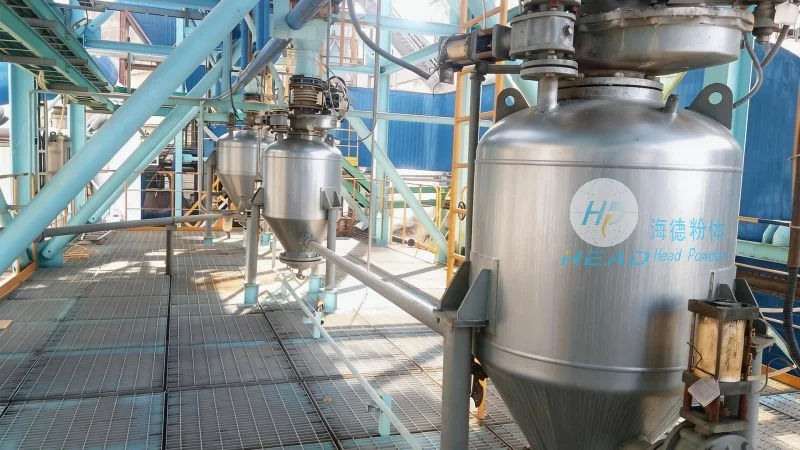
Overview of Sorghum Distillers Grains Pneumatic Conveying System
The pneumatic conveying machine for sorghum distillers grains is engineered to handle the unique characteristics of this material, which includes high moisture content, variable particle size, and potential stickiness. The system typically integrates a series of components that work in tandem to ensure reliable and continuous material transport. These components may include a hopper for material storage, a rotary valve or feeder to control the flow rate, a conveying line (often with multiple sections or branches), and a receiver or discharge unit. The entire system is designed to minimize material degradation and ensure consistent performance, which is critical in food processing applications where product quality is paramount.
Key Components and Their Functions
Each component of the pneumatic conveying system plays a vital role in the overall operation. The hopper serves as the primary storage vessel, providing a large capacity to accommodate the bulk of sorghum distillers grains. It is equipped with a discharge mechanism, such as a rotary valve, which regulates the flow of material into the conveying line. The rotary valve is crucial for controlling the feed rate, preventing overloading of the system and ensuring a steady flow of material. The conveying line itself is often made of durable materials like stainless steel to withstand the abrasive nature of the grains and resist corrosion from moisture. The line may include sections with different diameters or bends, which are strategically placed to guide the material along the intended path. At the end of the line, a receiver or discharge hopper collects the material, often equipped with a discharge valve to control the final release of the material. Additionally, the system may incorporate a dust collection or filtration unit to maintain air quality and comply with environmental regulations.
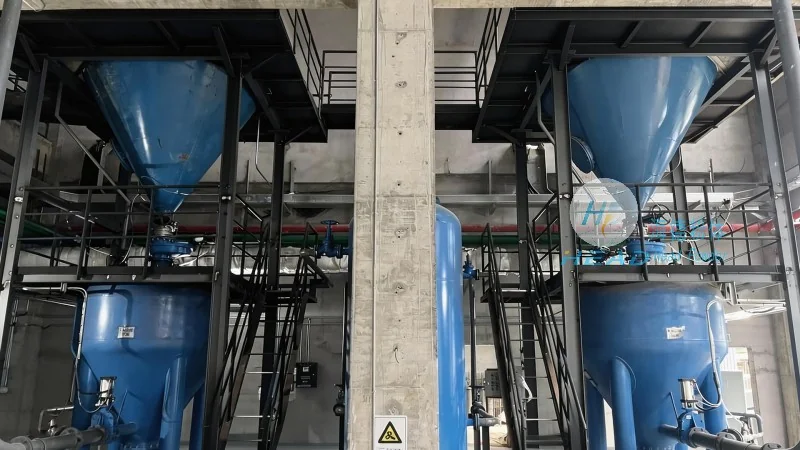
Operation Process of the Pneumatic Conveying Machine
The operation of the sorghum distillers grains pneumatic conveying machine follows a systematic sequence of steps. Initially, the material is fed into the hopper from the storage silo or processing area. The rotary valve then opens to allow a controlled amount of material to enter the conveying line. Simultaneously, a fan or blower generates a high-pressure airflow within the line. This airflow propels the material particles forward, creating a slurry-like mixture that travels through the conveying line. The material is carried by the air stream, which maintains the necessary velocity to prevent settling or clogging. As the mixture moves through the line, it may encounter sections with changes in diameter or direction, which are designed to maintain the flow without causing excessive pressure drops or material separation. Upon reaching the receiver, the material is deposited, and the air is filtered and returned to the system or released to the atmosphere, depending on the system design. The entire process is automated, with sensors and controls monitoring the flow rate, pressure, and material level to ensure optimal performance and prevent operational issues.
Working Principle Explained
The working principle of the pneumatic conveying machine is based on the fundamental concept of transporting bulk materials using air as the conveying medium. There are two primary types of pneumatic conveying systems: pressure and vacuum. The system for sorghum distillers grains typically operates under pressure, where the fan or blower creates a positive pressure within the conveying line. This positive pressure forces the material particles to move along the line, driven by the air flow. The key to efficient operation is maintaining a sufficient air velocity to keep the material suspended and prevent it from settling. The air velocity must be high enough to overcome the gravitational forces acting on the particles but not so high as to cause excessive wear on the system components or degrade the material. The system also relies on the principle of fluidization, where the air flow causes the material particles to behave like a fluid, allowing them to be transported through the line with minimal resistance. The design of the conveying line, including the diameter and length, is critical in determining the optimal air velocity and pressure required for effective material transport. Proper sizing of the components ensures that the system operates within its designed parameters, maximizing efficiency and minimizing energy consumption.
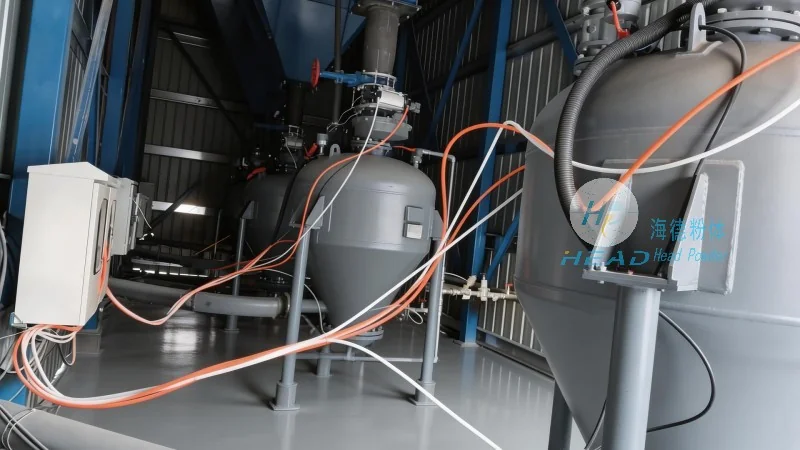
Application in Sorghum Distillers Grains Handling
The pneumatic conveying machine is widely used in the distillation industry for handling sorghum distillers grains from various stages of the production process. For example, after the distillation process, the grains are collected from the fermenters and transferred to a storage area. The pneumatic system can efficiently transport these materials from the fermenter to the storage silo, avoiding the need for manual handling or mechanical conveyors that may cause material degradation or contamination. In addition, the system can be used to transfer the grains to downstream processing units, such as drying or pelletizing equipment, where further processing is required. The ability to handle high volumes of material with minimal labor and maintenance makes the pneumatic conveying machine an attractive solution for large-scale distilleries. Furthermore, the system's flexibility allows it to be integrated into existing production lines, adapting to changes in production rates or material characteristics without significant modifications. This adaptability is particularly valuable in industries where production demands fluctuate or where new processing technologies are introduced.
Company Profile and Expertise
Shandong HeadPowder Engineering Co., Ltd., operating under the brand name headpowder, is a leading manufacturer of pneumatic conveying systems and related industrial equipment. With a strong focus on innovation and quality, the company has established itself as a trusted partner for businesses in the food processing, chemical, and agricultural sectors. HeadPowder specializes in designing and manufacturing customized pneumatic conveying solutions tailored to the specific needs of each client. The company's team of engineers and technicians brings extensive experience in material handling and process optimization, ensuring that each system is engineered to meet the highest standards of performance and reliability. HeadPowder's products are known for their durability, efficiency, and ease of maintenance, which contribute to long-term operational savings for customers. The company's commitment to customer satisfaction and technical support is reflected in its comprehensive after-sales service, including installation, training, and ongoing maintenance assistance. With its headquarters in Shandong, China, HeadPowder leverages its local expertise and manufacturing capabilities to deliver high-quality products to clients worldwide, supporting the global demand for efficient and sustainable material handling solutions.




