HeadPowder, a leading manufacturer based in Shandong, China, specializes in the design and production of advanced pneumatic conveying equipment for the fertilizer industry. The fertilizer granule pneumatic conveying machine is a critical component in modern fertilizer processing facilities, enabling efficient and reliable transportation of granular fertilizers from storage silos to processing units or packaging lines. This article provides a detailed overview of the operation process and working principle of such machines, highlighting key technical aspects and operational considerations.
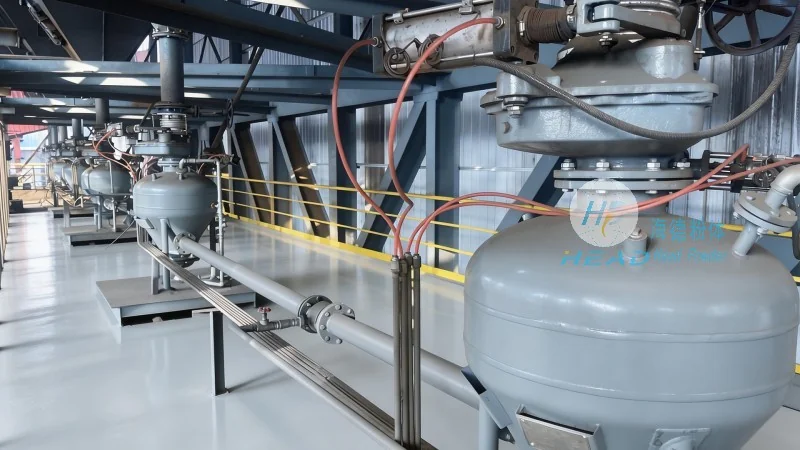
Overview of the Fertilizer Granule Pneumatic Conveying Machine
The fertilizer granule pneumatic conveying machine is engineered to handle bulk granular fertilizers, such as urea, ammonium nitrate, or compound fertilizers, with precision and efficiency. It is designed to replace traditional mechanical conveying methods, offering advantages like reduced maintenance, lower energy consumption, and improved safety in handling potentially dusty or hazardous materials. The system typically consists of a hopper, a pneumatic conveyor line, a control system, and a discharge unit, all integrated to ensure seamless material flow.
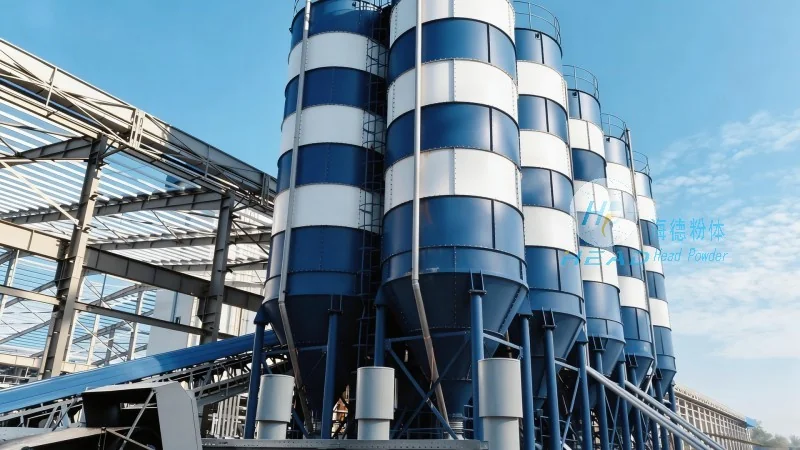
Operation Process of the Fertilizer Granule Pneumatic Conveying Machine
The operation process of the fertilizer granule pneumatic conveying machine involves several sequential steps, each crucial for maintaining optimal performance and material integrity. First, the granular fertilizer is fed into the hopper from the storage silo. The hopper is equipped with a feeding mechanism, such as a rotary valve or a screw feeder, which controls the flow rate of the material into the conveying line. Next, the control system activates the air compressor, which generates high-pressure air. This air is then introduced into the conveying line, creating a positive pressure environment that propels the fertilizer particles through the pipeline. The fertilizer travels through the pipeline, which may include bends, elbows, or expansion joints, all designed to minimize pressure loss and maintain consistent flow. At the discharge end, the fertilizer is released into the next processing stage, such as a mixer or a packaging machine. The entire process is monitored by the control system, which adjusts air pressure, flow rate, and other parameters to ensure stable operation and prevent blockages or overloading.
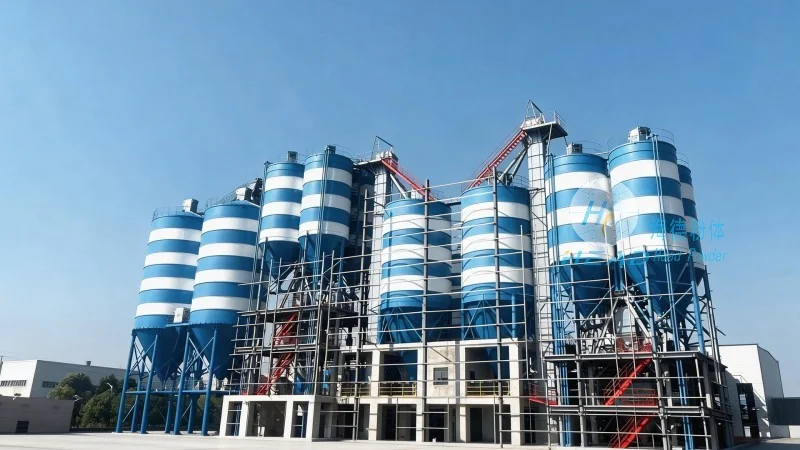
Working Principle of the Fertilizer Granule Pneumatic Conveying Machine
The working principle of the fertilizer granule pneumatic conveying machine is based on the principles of fluid dynamics and particle transport. The system utilizes compressed air to create a flow of air and fertilizer particles, forming a slurry or a dilute phase flow. In the dilute phase conveying mode, the fertilizer particles are suspended in the air stream, moving through the pipeline with minimal interaction between particles. This mode is suitable for long-distance conveying and is commonly used in fertilizer processing facilities. The machine operates by creating a pressure differential between the hopper and the discharge point. The air compressor supplies the necessary pressure to overcome the resistance of the pipeline and the weight of the fertilizer particles. The control system regulates the air flow and pressure to maintain a stable conveying rate, ensuring that the fertilizer is transported efficiently without excessive energy consumption or material degradation. The system also includes safety features, such as pressure relief valves and dust collection systems, to prevent accidents and maintain environmental compliance.
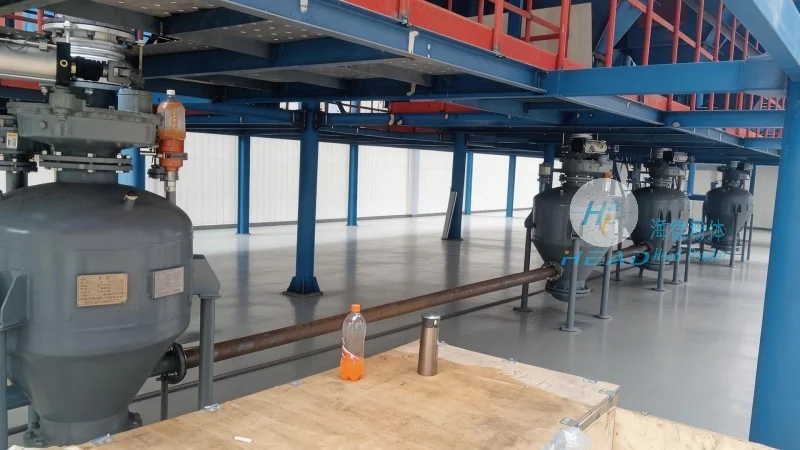
Technical Features and Advantages
The fertilizer granule pneumatic conveying machine from HeadPowder offers several technical features that enhance its performance and reliability. The machine is constructed with high-quality materials, such as stainless steel or corrosion-resistant alloys, to withstand the corrosive nature of fertilizers and prevent material buildup. The hopper and conveying line are designed with smooth surfaces and minimal dead zones to prevent material accumulation and reduce the risk of blockages. The control system is equipped with advanced sensors and automation technology, allowing for real-time monitoring and adjustment of operational parameters. This ensures consistent conveying performance and minimizes downtime. Additionally, the machine is designed for easy maintenance, with accessible components and modular design, reducing maintenance costs and increasing operational efficiency. The system also complies with international safety and environmental standards, making it suitable for use in various fertilizer processing facilities.




