

Principles and Working Scene Characteristics of Cast Gray Material Handling Systems
HeadPowder, a leading engineering company based in Shandong, China, specializes in the design and production of efficient material handling solutions tailored for the cast gray industry. The company’s expertise lies in developing systems that ensure reliable and cost-effective transportation of cast gray materials, which are crucial components in various manufacturing processes. HeadPowder’s solutions are engineered to meet the unique demands of foundries and industrial facilities, focusing on enhancing productivity and operational safety.
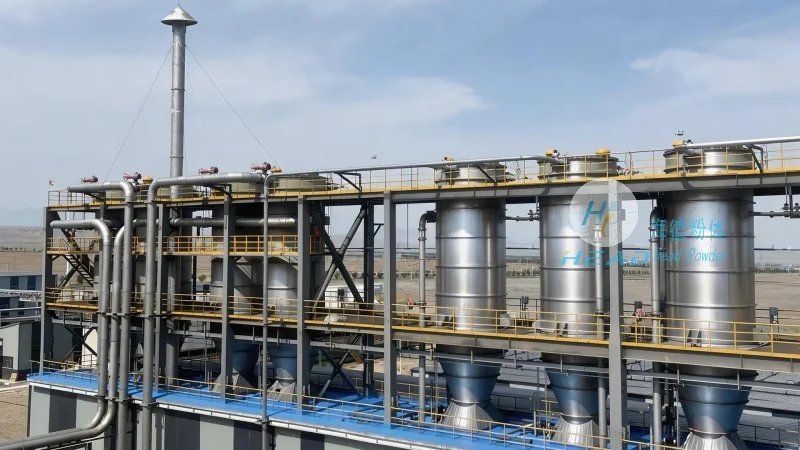
Principles of Cast Gray Material Handling Systems
The core principle of cast gray material handling systems revolves around the efficient movement of bulk materials, such as castings, scrap, and raw materials, within industrial settings. These systems typically utilize conveyor belts, screw conveyors, or pneumatic conveyors, depending on the material characteristics and operational requirements. The design emphasizes minimizing material degradation, ensuring consistent flow rates, and enhancing overall system efficiency. For example, conveyor belts are commonly used for transporting larger cast gray pieces, while screw conveyors are ideal for handling finer materials like dust or powders. The integration of sensors and control systems further optimizes operation, allowing for real-time monitoring and adjustment of the material flow. This ensures that the system adapts to varying conditions, such as changes in material density or moisture levels, maintaining stable performance.
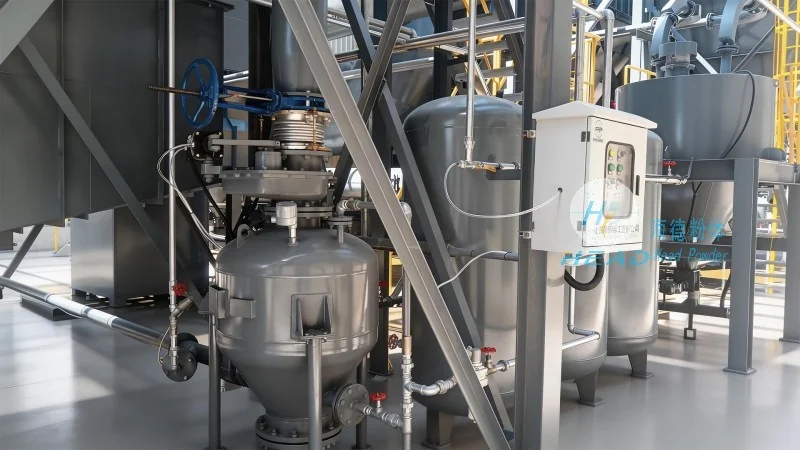
Working Scene Characteristics of Cast Gray Material Handling Systems
The working scene characteristics of cast gray material handling systems are shaped by the specific demands of the casting industry. These systems are often deployed in environments where material handling is critical to production continuity. Key characteristics include high durability to withstand heavy loads and abrasive materials, as cast gray materials can be hard and contain impurities. Additionally, the systems must be capable of handling varying material densities and moisture levels, which can affect the flow and stability of the material. The working environment may also involve high temperatures or dust, requiring robust sealing and maintenance features. For instance, in foundries, the material handling systems need to operate alongside casting machines, requiring seamless integration with existing production lines. The systems are designed to minimize downtime and maximize throughput, ensuring that the material is transported from the casting area to the next processing stage without delays. This includes features like adjustable speed controls and emergency stop mechanisms to enhance safety and operational reliability.
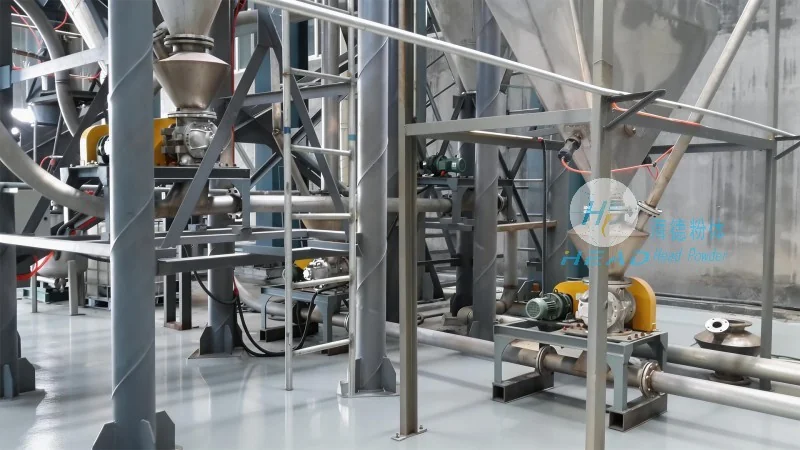
Application Scenarios in the Casting Industry
Cast gray material handling systems are widely used in various stages of the casting production process. In the primary stage, these systems transport raw materials, such as metal scrap and pig iron, to the melting furnaces. The efficiency of this initial transport is crucial as it directly impacts the production rate of the foundry. During the secondary stage, the systems handle the cast gray products, moving them from the molding line to the finishing or inspection areas. This stage requires systems that can handle different sizes and shapes of castings, often using flexible conveyor systems that can adjust to varying dimensions. In the recycling stage, the systems collect and transport scrap materials for reprocessing, contributing to the sustainability of the casting operations. The versatility of these systems allows them to adapt to different production scales, from small-scale foundries to large industrial plants, making them a vital component in modern casting operations. Each application scenario demands specific system configurations, such as the use of heavy-duty belts for large castings or dust-proof enclosures for fine powders, ensuring optimal performance in diverse operational contexts.
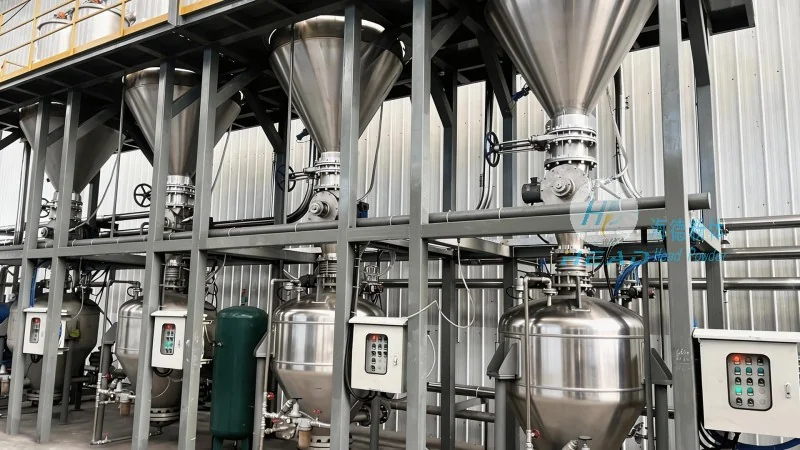
Operational Benefits and Technical Advancements
The implementation of cast gray material handling systems by HeadPowder brings several operational benefits. These include increased throughput, reduced labor costs associated with manual material handling, and improved safety by minimizing human exposure to heavy or hazardous materials. Additionally, the systems enhance quality control by ensuring consistent material flow, which leads to more uniform processing conditions. Technological advancements, such as the integration of automation and IoT sensors, further improve system performance. For example, real-time data collection allows for predictive maintenance, reducing unexpected breakdowns and extending the lifespan of the equipment. The systems also contribute to environmental sustainability by reducing material waste and optimizing energy usage. By leveraging these advancements, HeadPowder’s material handling solutions provide long-term value to clients, supporting their growth and operational efficiency in the competitive casting industry.