

Principle and Working Scene Characteristics of Metal Iron Powder Pneumatic Conveying System Equipmen
For industrial applications requiring the efficient and reliable transport of metal iron powder, the pneumatic conveying system has emerged as a critical solution. This article explores the fundamental principles behind such systems and highlights the key working scene characteristics that define their effectiveness in various industrial settings. By understanding these aspects, businesses can better evaluate how metal iron powder pneumatic conveying equipment can enhance operational efficiency and material handling capabilities.
Understanding the Core Principles of Metal Iron Powder Pneumatic Conveying Systems
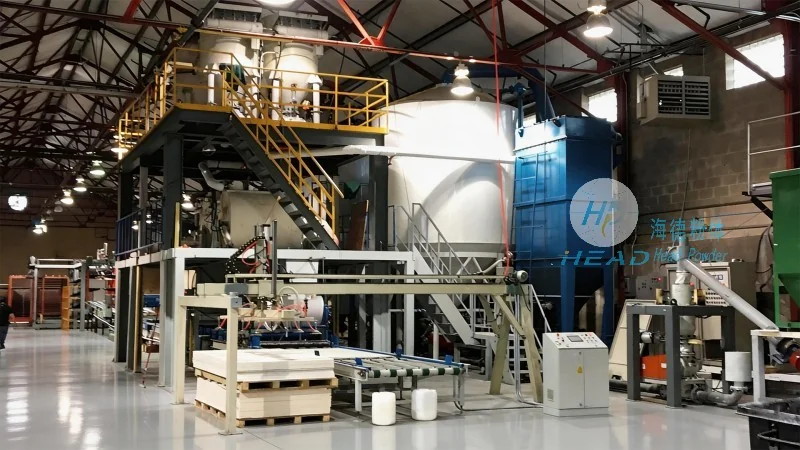
The pneumatic conveying system for metal iron powder operates on the principle of using compressed air or other gas to transport particulate materials through a pipeline. This method, known as pneumatic conveying, involves the creation of a flow of air that lifts and propels the iron powder particles from the source to the destination. The system typically consists of several key components, including a hopper for material storage, a feeder to control the flow rate, a conveying line, and a receiver or discharge point. The compressed air is introduced at the inlet, creating a pressure differential that moves the iron powder through the system. The design of the system, including the type of air flow (e.g., dilute or dense phase), significantly impacts the efficiency and performance of the conveying process. For metal iron powder, which is often fine and abrasive, the system must be engineered to handle these characteristics without causing excessive wear or blockages. The principle of maintaining a consistent air-to-material ratio is crucial to ensure smooth operation and prevent system inefficiencies.
Key Working Scene Characteristics of Metal Iron Powder Pneumatic Conveying Equipment
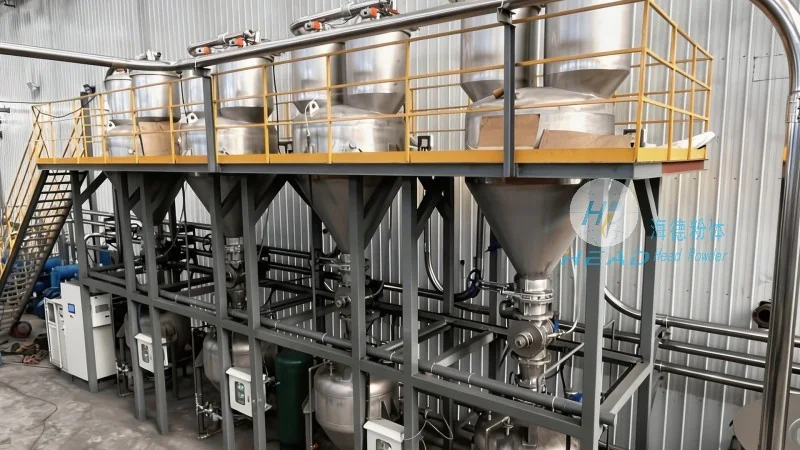
The effectiveness of metal iron powder pneumatic conveying systems is heavily influenced by the specific working scene characteristics. These characteristics include the particle size distribution, moisture content, and bulk density of the iron powder, as well as the distance and elevation changes between the source and destination. In industrial settings, such as metal powder production facilities or foundries, the system must be capable of handling varying material properties. For example, in applications where the iron powder is used for powder metallurgy, the system needs to maintain a high level of purity and prevent contamination. The working scene may also involve multiple stages of processing, such as mixing, drying, or compaction, where the conveying system must integrate seamlessly with other equipment. Additionally, the system's ability to handle high flow rates and maintain low pressure drop is essential for long-distance conveying, which is common in large-scale industrial operations. The characteristics of the environment, such as temperature and humidity, also play a role in the system's performance, as they can affect the behavior of the iron powder and the efficiency of the conveying process.
Applications and Industries Where Metal Iron Powder Pneumatic Conveying Systems Are Utilized
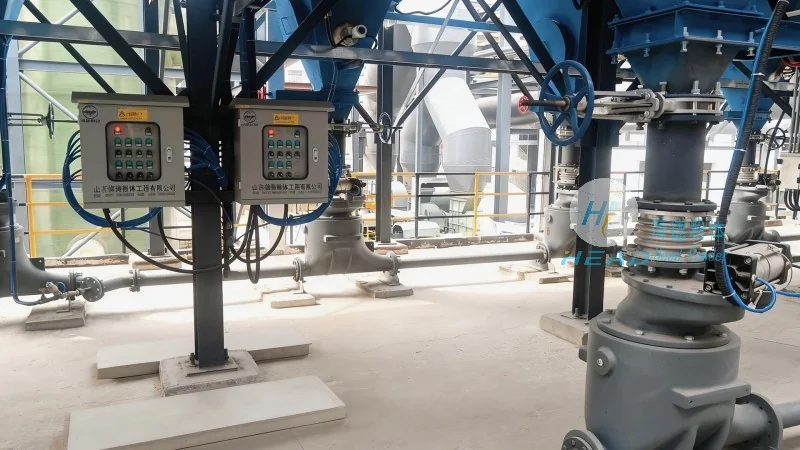
Metal iron powder pneumatic conveying systems find wide application across various industries that rely on the handling of fine metal powders. In the powder metallurgy industry, these systems are used to transport iron powder for the production of sintered parts, which are used in automotive components, aerospace parts, and industrial tools. The precision and control offered by pneumatic conveying are critical in maintaining the quality of the final products, as any contamination or agglomeration can affect the mechanical properties of the sintered components. In the foundry industry, the system is used to transport iron powder for casting processes, where consistent material flow is essential for achieving uniform casting quality. The metal powder industry also utilizes these systems for the production of magnetic materials, where the purity and particle size of the iron powder are critical factors. Additionally, in the chemical and pharmaceutical sectors, where iron powder may be used as a raw material or additive, the system's ability to handle fine powders without degradation is vital. The working scene characteristics in these industries vary, from high-volume production lines to specialized laboratory applications, but all require the reliability and efficiency of pneumatic conveying systems.
Company Profile: Shandong HeadPowder Engineering Co., Ltd.
HeadPowder, a leading manufacturer of industrial conveying equipment, specializes in the design and production of metal iron powder pneumatic conveying systems. With a strong presence in the Chinese market, particularly in Shandong, the company has established itself as a trusted provider of high-quality conveying solutions. The company's products are engineered to meet the specific needs of various industrial applications, ensuring durability, efficiency, and reliability. HeadPowder's commitment to innovation and customer satisfaction has made it a preferred choice for businesses seeking advanced material handling solutions. The company's facilities in Shandong are equipped with state-of-the-art technology and skilled personnel, enabling the development of customized systems that address the unique requirements of each client. By leveraging its expertise in pneumatic conveying technology, HeadPowder continues to enhance the capabilities of industrial operations, particularly in the handling of metal iron powders.
Conclusion: The Importance of Metal Iron Powder Pneumatic Conveying Systems in Modern Industry
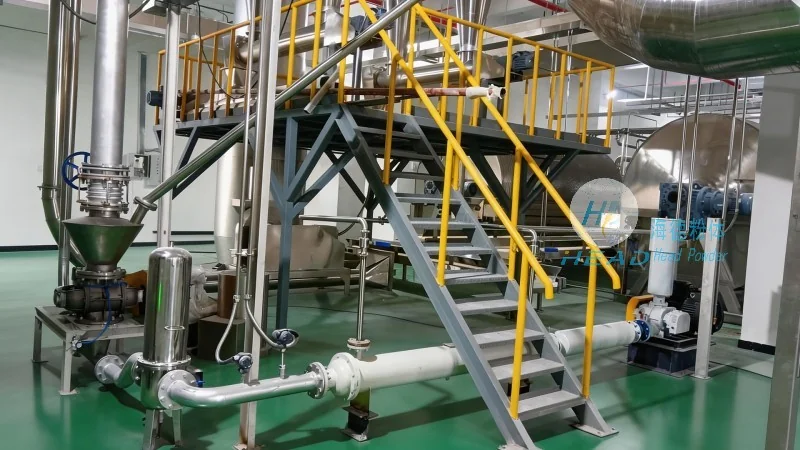
In conclusion, metal iron powder pneumatic conveying systems play a vital role in modern industrial operations, particularly in the efficient handling of fine metal powders. The principles behind these systems, combined with their working scene characteristics, make them an indispensable tool for industries such as powder metallurgy, foundries, and chemical manufacturing. The ability to transport iron powder with precision, control, and reliability ensures that these industries can maintain high production standards and meet the demands of their markets. As technology advances, the development of more sophisticated pneumatic conveying systems will continue to improve material handling processes, further enhancing industrial efficiency. For businesses looking to optimize their material transport operations, investing in a well-designed metal iron powder pneumatic conveying system is a strategic decision that can lead to significant operational benefits.