

Principle and Working Scene Characteristics of Rubber Granule Pneumatic Conveying System Equipment
HeadPowder, a leading manufacturer based in Shandong, China, specializes in the design and production of rubber granule pneumatic conveying systems. These systems are engineered to efficiently transport rubber granules, a critical material in various industrial applications, from one location to another. The core of such systems lies in the pneumatic conveying principle, which utilizes air or gas to move bulk materials through a pipeline network.
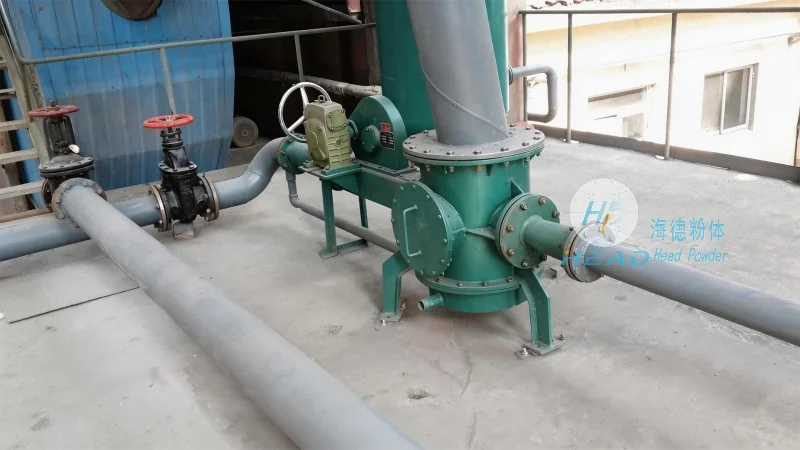
The Working Principle of Pneumatic Conveying Equipment
The fundamental principle of rubber granule pneumatic conveying systems is the use of air pressure to create a flow of material. The system typically consists of a hopper, a blower or compressor, a pipeline, and a discharge point. When the material is introduced into the hopper, the blower generates a flow of air that pulls the rubber granules into the pipeline. The air velocity is carefully controlled to ensure the granules are carried along without causing excessive wear or blockages. This method offers a dust-free and enclosed transport solution, which is particularly beneficial for handling rubber granules that may generate dust or require a controlled environment.
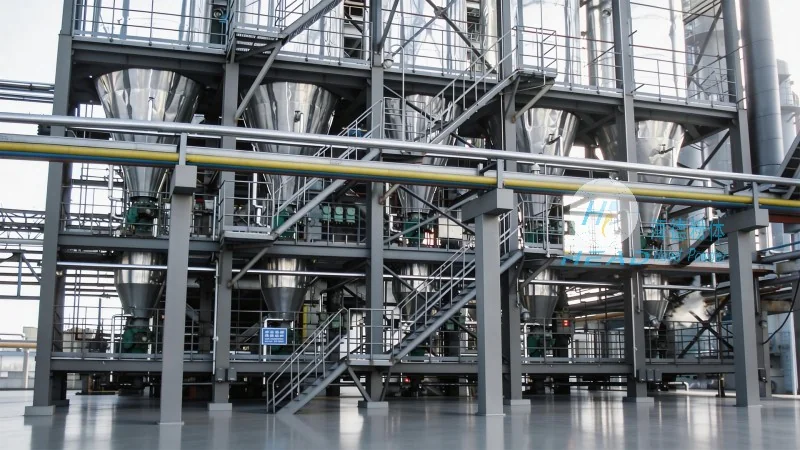
Key Components and Their Functions
Several key components work in tandem to ensure the smooth operation of rubber granule pneumatic conveying systems. The hopper serves as the storage and feeding unit, where rubber granules are loaded and fed into the system. The blower or compressor provides the necessary air pressure and flow rate to move the material. The pipeline network, often made of stainless steel or other corrosion-resistant materials, transports the rubber granules from the hopper to the discharge point. Additionally, filters and cyclones are commonly used to separate air from the material, ensuring that the system operates efficiently and maintains a clean environment. These components are designed to handle the specific characteristics of rubber granules, such as their size, density, and abrasiveness, to prevent system wear and ensure long-term reliability.
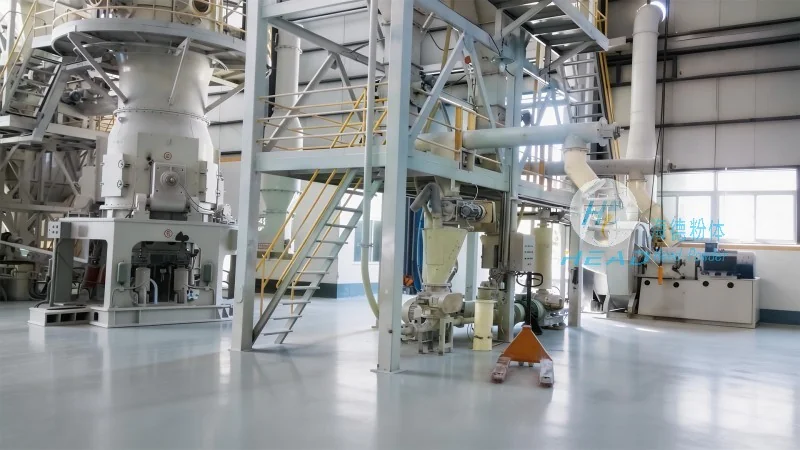
Working Scene Characteristics and Applications
Rubber granule pneumatic conveying systems are widely used in various industrial settings where the efficient and safe transport of rubber granules is essential. In tire manufacturing plants, these systems are used to move rubber granules from storage to processing lines, ensuring a continuous supply of material. In recycling facilities, they help transport recycled rubber granules to production areas, supporting the circular economy. The systems are also employed in sports surface manufacturing, where rubber granules are used to create artificial turf and playground surfaces. The working scene characteristics of these systems include their ability to handle large volumes of material, maintain a clean and dust-free environment, and operate with minimal maintenance. These features make them suitable for both new installations and retrofitting into existing industrial processes.
Advantages of Using Pneumatic Conveying for Rubber Granules
Compared to traditional conveyor systems, rubber granule pneumatic conveying systems offer several advantages. One of the primary benefits is the enclosed and dust-free operation, which reduces health hazards and environmental contamination. The systems also provide flexibility in layout, as the pipeline can be routed around obstacles, making it easier to integrate into existing facilities. Additionally, pneumatic conveying systems can handle a wide range of material sizes and densities, making them versatile for different applications. The ability to control air flow and pressure allows for precise material transport, reducing waste and improving overall efficiency. These advantages make pneumatic conveying an ideal solution for industries that require reliable, efficient, and safe transport of rubber granules.
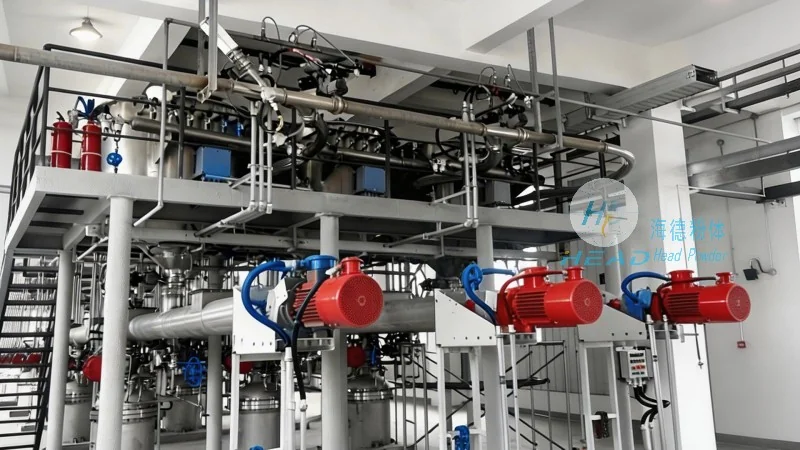
Customization and Integration for Specific Needs
HeadPowder understands that each industrial application has unique requirements. Therefore, they offer customized rubber granule pneumatic conveying systems tailored to specific needs. The company's engineers work closely with clients to design systems that meet their production capacity, material characteristics, and operational environment. Customization options include different hopper sizes, blower capacities, and pipeline configurations. Additionally, the systems can be integrated with existing production lines, ensuring a seamless transition. HeadPowder's commitment to quality and customer satisfaction ensures that each system is built to meet the highest standards, providing long-term performance and reliability. By working with HeadPowder, industries can benefit from a tailored solution that enhances their operational efficiency and product quality.