For industries dealing with melamine powder, efficient material handling is crucial. Air-driven transportation, or pneumatic conveying, offers a reliable method to transport melamine powder from one location to another. This system utilizes compressed air to move the powder through a pipeline, eliminating the need for mechanical components like belts or buckets. The process is designed to be efficient, clean, and suitable for handling fine powders such as melamine, which can be prone to dust and caking if not managed properly.
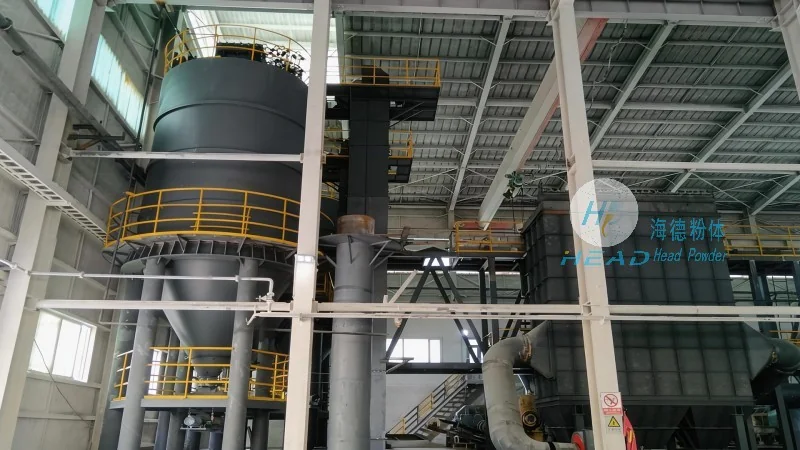
Working Principle of Air-Driven Transportation for Melamine Powder
The core of the air-driven transportation system for melamine powder involves the use of a blower or compressor to generate a flow of air. The melamine powder is introduced into the system, typically at the inlet, where it is mixed with the air stream. The air velocity is controlled to ensure that the powder particles are entrained and carried through the pipeline. The system can operate in either positive pressure or negative pressure modes. In positive pressure systems, air is forced into the pipeline, pushing the powder forward. In negative pressure systems, air is drawn out of the pipeline, creating a vacuum that pulls the powder along. For melamine powder, positive pressure systems are often preferred as they can handle the material more gently and reduce the risk of particle degradation.
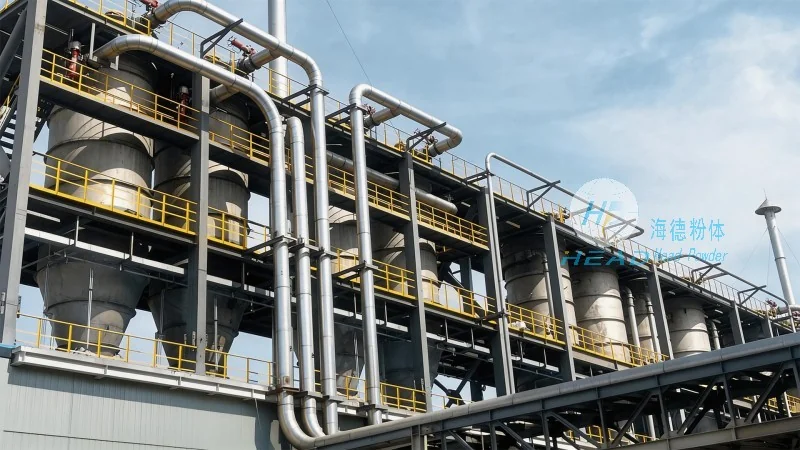
Key Characteristics of Air-Driven Transportation for Melamine Powder
Several key characteristics define the effectiveness of air-driven transportation for melamine powder. First, the system provides a dust-free environment, which is essential for maintaining product quality and safety in industrial settings. The enclosed pipeline prevents dust from escaping into the workplace, reducing health hazards and compliance issues. Second, the system offers high efficiency in terms of material throughput, allowing for large volumes of melamine powder to be transported quickly and reliably. This is particularly important in production lines where continuous material flow is required. Third, the system is flexible in terms of layout, as the pipeline can be arranged in various configurations to fit the space constraints of a facility. This adaptability makes it suitable for both new installations and retrofitting existing production lines. Fourth, the system is low maintenance compared to mechanical conveying systems, as there are fewer moving parts that can wear out or require replacement. This reduces downtime and operational costs over the long term.
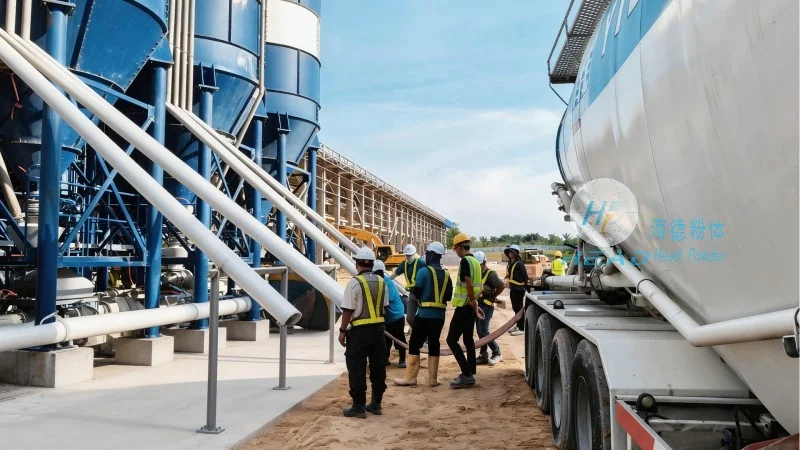
Application of Air-Driven Transportation in Melamine Powder Processing
When applied to melamine powder processing, air-driven transportation systems play a critical role in ensuring smooth operations. For example, in a melamine production plant, the system can be used to transport raw melamine powder from storage silos to the reaction vessels. The positive pressure system ensures that the powder is moved without segregation or agglomeration, which could affect the quality of the final product. Similarly, in downstream processing, the system can transport finished melamine powder from the reaction area to packaging units. The consistent flow provided by the air-driven system helps maintain production rates and reduces the risk of bottlenecks. Additionally, the system can be integrated with other processing equipment, such as mixers or classifiers, to create a seamless material handling workflow. This integration enhances overall plant efficiency and reduces the need for manual handling, which is both labor-intensive and prone to errors.
Advantages and Considerations for Air-Driven Transportation of Melamine Powder
While air-driven transportation offers numerous advantages, there are also considerations to keep in mind when implementing such a system for melamine powder. One of the main advantages is the ability to handle fine powders without causing particle breakage or degradation. The gentle handling of the powder ensures that the physical properties of melamine, such as particle size and flowability, are preserved. Another advantage is the system's ability to handle varying material characteristics, including different moisture contents or particle sizes. This flexibility makes it suitable for a wide range of melamine applications. However, the system requires careful design to prevent clogging or blockages in the pipeline. Melamine powder can sometimes agglomerate, especially if it is not properly dried or if the air flow is insufficient. To mitigate this, the system may include features such as pulse jets or rotary valves to break up any agglomerates and maintain a consistent flow. Additionally, the system's energy consumption should be considered, as compressed air is a significant operational cost. However, the long-term benefits of improved efficiency and reduced maintenance often outweigh the initial energy costs.
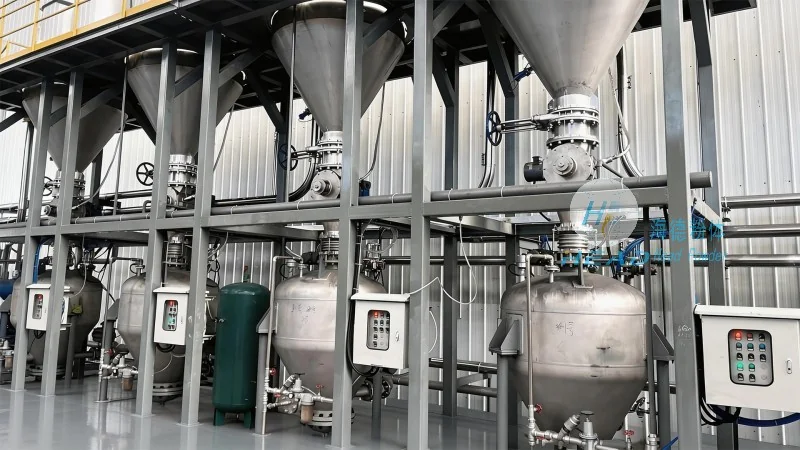
Conclusion and Company Information
Overall, air-driven transportation is an effective and reliable method for handling melamine powder materials. The system's ability to provide a dust-free, efficient, and flexible material handling solution makes it a preferred choice for many industries. As a leading provider of engineering solutions for powder handling, Shandong HeadPowder Engineering Co., Ltd. specializes in designing and manufacturing air-driven transportation systems tailored to the specific needs of melamine powder processing. With years of experience and a commitment to quality, HeadPowder offers customized solutions that enhance production efficiency and product quality. Based in Shandong, China, HeadPowder serves clients worldwide, providing expert guidance and support throughout the entire process of implementing air-driven transportation systems. Whether you are looking to improve existing material handling processes or design a new production line, HeadPowder is the partner you can trust for reliable and efficient solutions.




