This article provides an in-depth exploration of the working principle and key characteristics of pneumatic conveying systems designed for lithium oxalate materials. As a critical component in lithium battery production, lithium oxalate plays a vital role in the manufacturing process, and efficient material handling is essential for maintaining production efficiency and product quality. The following sections will delve into the technical aspects of pneumatic conveying for lithium oxalate, highlighting its operational mechanisms and distinctive features.
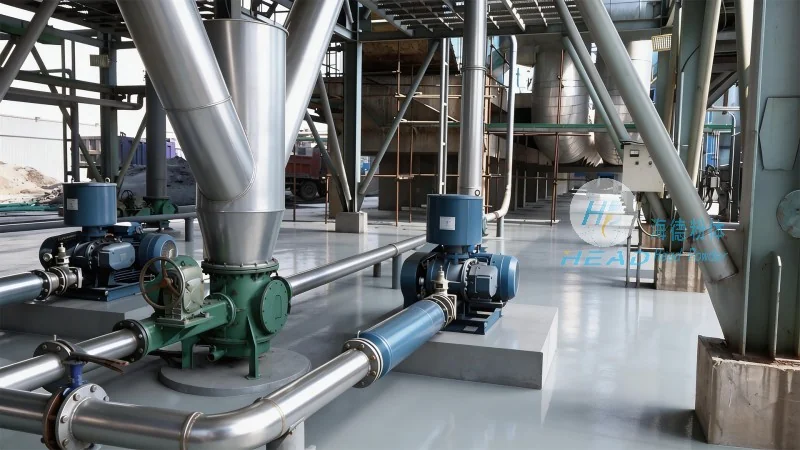
Working Principle of Pneumatic Conveying for Lithium Oxalate
Pneumatic conveying systems utilize air or gas as the conveying medium to transport solid materials, such as lithium oxalate, from one location to another. The working principle typically involves the following steps: first, the material is fed into a hopper or feeder, where it is then introduced into a pipeline. Simultaneously, a fan or blower generates a flow of air within the pipeline, creating a pressure differential that propels the material forward. The material is carried by the air stream as a suspension, moving through the pipeline until it reaches the discharge point. The system may employ different types of conveying, including dilute-phase or dense-phase, depending on the material properties and required handling conditions. For lithium oxalate, which is a fine powder with specific flow characteristics, a dilute-phase system is often preferred to ensure uniform material distribution and prevent blockages. The air velocity and pressure are carefully controlled to maintain a stable flow of the material, minimizing the risk of clogging or degradation of the product.
Key Characteristics of Lithium Oxalate Pneumatic Conveying
The characteristics of pneumatic conveying systems for lithium oxalate are tailored to address the unique properties of the material. Lithium oxalate is a fine, hygroscopic powder with a relatively low bulk density, which requires specialized handling to prevent agglomeration and ensure consistent flow. The conveying system must be designed to handle these challenges effectively. Key characteristics include:
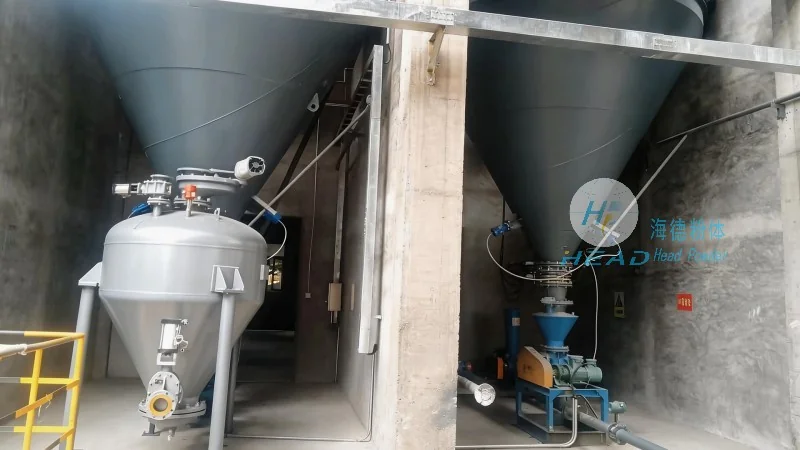
- Low Pressure and High Velocity: Dilute-phase conveying systems operate at lower pressures and higher air velocities, which is suitable for fine powders like lithium oxalate. This approach minimizes the risk of material degradation and ensures efficient transport.
- Uniform Material Distribution: The design of the conveying pipeline and air flow ensures that the lithium oxalate is evenly distributed throughout the system, preventing localized concentration that could lead to blockages or uneven discharge.
- Prevention of Agglomeration: The system incorporates features such as air classifiers or vibrators to break up any agglomerates that may form during transport, maintaining the powder's free-flowing properties.
- Minimal Material Loss: The enclosed pipeline design reduces the risk of material loss or contamination, which is critical for maintaining product purity and meeting quality standards.
Technical Advantages of Pneumatic Conveying for Lithium Oxalate
Compared to traditional mechanical conveying methods, pneumatic conveying offers several advantages for handling lithium oxalate. These include:
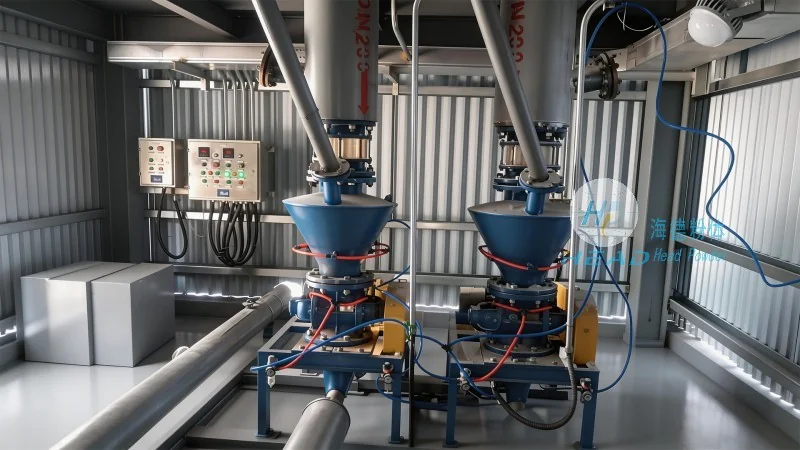
- Flexibility in Layout: Pneumatic systems can be easily integrated into existing production lines, allowing for flexible pipeline routing to accommodate different facility layouts.
- Reduced Maintenance: With fewer moving parts compared to mechanical conveyors, pneumatic systems require less maintenance, leading to lower operational costs and increased system reliability.
- Improved Safety: The enclosed design of pneumatic conveying systems eliminates the need for manual handling of powders, reducing the risk of dust exposure and associated health hazards.
- Enhanced Product Protection: The air suspension in the pipeline prevents direct contact between the material and the conveying surface, minimizing the risk of abrasion or contamination, which is crucial for maintaining the purity of lithium oxalate.
Applications and Industry Relevance
Lithium oxalate is widely used in the production of lithium-ion batteries, where its high energy density and stability make it an ideal cathode material. Efficient material handling is essential to support the high-volume production demands of the battery industry. Pneumatic conveying systems are particularly well-suited for this application due to their ability to handle fine powders over long distances with minimal loss and high reliability. The systems are commonly used in battery manufacturing plants to transport lithium oxalate from storage silos to mixing and coating lines, ensuring a continuous and consistent supply of material for battery production.
Company Profile: Shandong HeadPowder Engineering Co., Ltd.
Shandong HeadPowder Engineering Co., Ltd., commonly known as HeadPowder, is a leading provider of specialized engineering solutions for powder handling and material processing. With a focus on innovation and quality, the company has developed advanced pneumatic conveying systems tailored to the unique needs of various industries, including the battery sector. HeadPowder's expertise in material handling technology ensures that their systems are designed to meet the highest standards of efficiency, reliability, and safety. The company's facilities are located in Shandong, China, where they leverage local resources and expertise to deliver cutting-edge solutions for clients worldwide. By combining technical excellence with customer-centric service, HeadPowder has established itself as a trusted partner in the field of powder processing and conveying systems.




