

Working Principle and Features of Pneumatic Conveying Equipment for Lithium-Ion Battery Positive and
HeadPowder, a leading manufacturer based in Shandong, China, specializes in advanced pneumatic conveying systems tailored for the handling of lithium-ion battery electrode materials. This article provides a detailed overview of the working principle and key features of such equipment, highlighting its significance in the battery manufacturing industry.
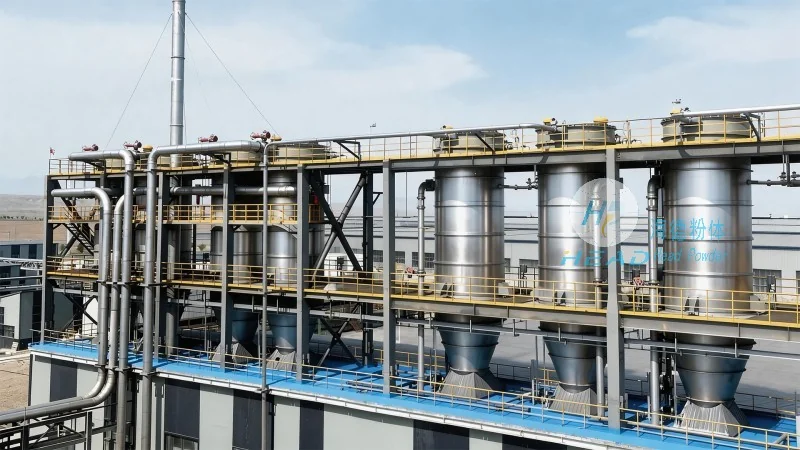
Introduction to Pneumatic Conveying Equipment for Battery Materials
As the demand for lithium-ion batteries grows globally, efficient and safe material handling is critical to the production process. Pneumatic conveying equipment offers a non-contact, dust-free method to transport positive and negative electrode powders, which are essential components in battery manufacturing. The equipment from Shandong HeadPowder Engineering Co., Ltd. is designed to meet the stringent requirements of modern battery production lines, ensuring high throughput, minimal material loss, and consistent quality.
Working Principle of the Pneumatic Conveying System
The core mechanism of the pneumatic conveying equipment involves the use of compressed air to transport bulk materials through a pipeline system. The process typically begins with the material being fed into a hopper or feeder, where it is then introduced into the conveying line. Compressed air, generated by a blower or compressor, creates a pressure differential that propels the material forward. The system may employ different conveying modes, such as dilute-phase or dense-phase, depending on the material characteristics and required transport distance. Dilute-phase conveying uses higher air velocities to suspend the material particles, while dense-phase conveying employs lower velocities to maintain a more compact flow, reducing the risk of material degradation or blockages.
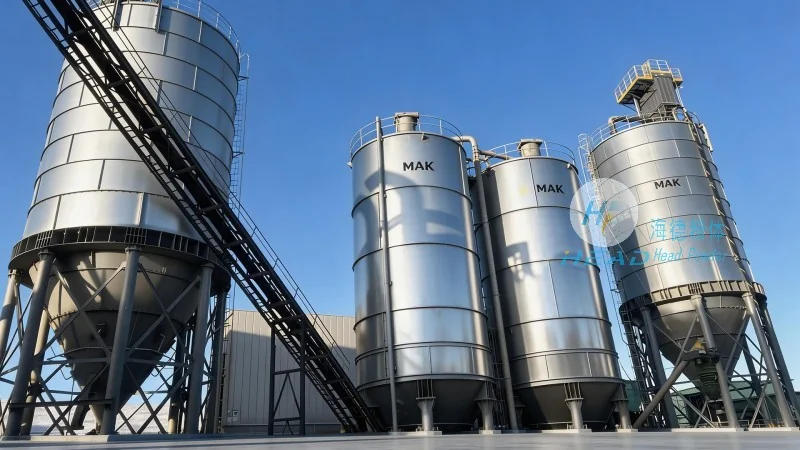
Key components of the system include the air compressor, feeder, conveying line, and receiver. The air compressor provides the necessary pressure to move the material, while the feeder controls the flow rate to maintain a stable conveying condition. The conveying line, often made of stainless steel to prevent corrosion from the electrode powders, ensures the material travels from the feed point to the collection point. The receiver, where the material is deposited, is designed to minimize dust emissions and facilitate easy discharge. The entire system operates under controlled conditions, with sensors monitoring air pressure, flow rate, and material level to ensure optimal performance and safety.
Key Features and Advantages of the Equipment
The pneumatic conveying equipment from HeadPowder is equipped with several features that enhance its performance and reliability. One of the primary advantages is its ability to handle fine powders without causing agglomeration or particle breakage, which is crucial for maintaining the quality of battery electrode materials. The system is also designed for easy integration into existing production lines, with modular components that allow for flexible configuration based on specific production needs.
Another notable feature is the system's dust control capabilities. By using sealed hoppers and conveying lines, the equipment minimizes dust emissions, creating a safer working environment and reducing the risk of material contamination. This is particularly important in battery manufacturing, where even small amounts of impurities can affect battery performance and lifespan. The equipment also offers high efficiency in material transport, with the ability to handle large volumes of electrode powders at consistent speeds, reducing production downtime and increasing overall productivity.
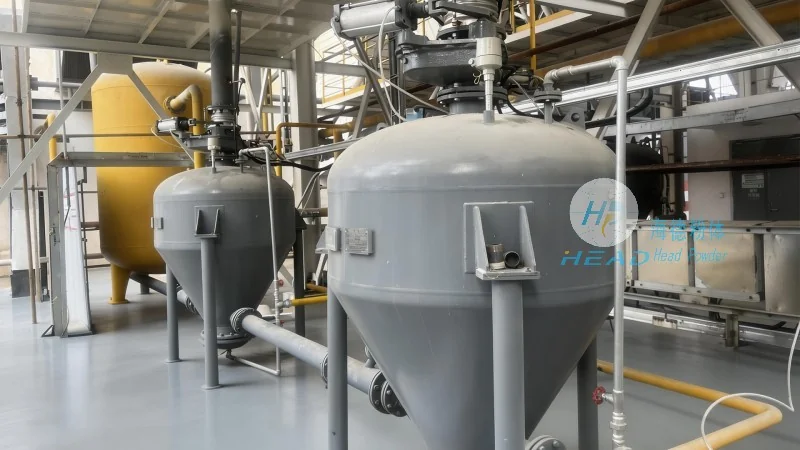
Furthermore, the equipment is engineered for durability and low maintenance. The use of high-quality materials, such as stainless steel for the conveying line and robust components for the feeder and compressor, ensures long service life and minimal downtime due to wear or breakdown. The company's expertise in material handling technology is reflected in the design, which addresses common challenges in battery material transport, such as material segregation and blockage. By implementing advanced control systems, the equipment can automatically adjust parameters to maintain optimal conveying conditions, even with varying material properties or feed rates.
Conclusion
In summary, the pneumatic conveying equipment for lithium-ion battery positive and negative electrode materials from Shandong HeadPowder Engineering Co., Ltd. combines advanced technology with robust design to provide an efficient, safe, and reliable solution for material handling in battery manufacturing. Its working principle, based on compressed air transport, and key features, including dust control, material integrity preservation, and high efficiency, make it an essential component for modern battery production lines. The equipment's ability to meet the demanding requirements of the industry, while being manufactured by a reputable company based in China, underscores its value to battery manufacturers seeking to enhance their production processes.