

Working Principle and Features of Automatic Quantitative Pneumatic Conveying System Equipment
For those in the powder handling industry, understanding the mechanics and advantages of modern pneumatic conveying systems is crucial for optimizing material transport processes. This article delves into the working principle and key features of the automatic quantitative pneumatic conveying system equipment, highlighting how it enhances efficiency and precision in material handling operations.
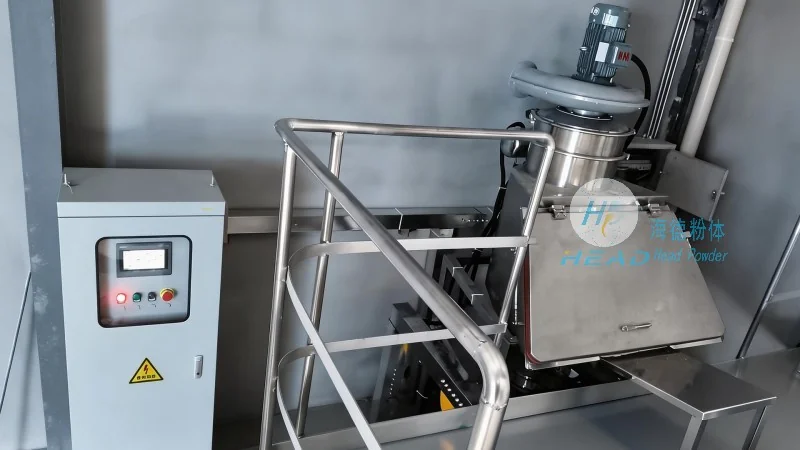
Introduction to Automatic Quantitative Pneumatic Conveying Systems
The automatic quantitative pneumatic conveying system is a sophisticated piece of equipment designed to transport bulk powders and granular materials through a pressurized or vacuum air stream. Unlike traditional manual or semi-automatic systems, this equipment offers precise control over the quantity of material conveyed, making it ideal for applications requiring consistent and accurate material delivery. The system integrates advanced technology to ensure reliable performance, reducing human error and increasing operational efficiency.
Working Principle of the System
The core of the automatic quantitative pneumatic conveying system lies in its ability to control the flow of material and air. The system typically operates by using a blower or compressor to generate the necessary air pressure, which then propels the material through a pipeline. Key components include a hopper for material storage, a feeder to regulate the material flow rate, and a conveying line that transports the material to the discharge point. The quantitative mechanism, often based on a variable-speed feeder or a mass flow meter, ensures that the exact amount of material is delivered as per the set parameters. This precision is achieved through feedback control systems that adjust the feeder speed or air pressure in real-time, maintaining consistent material output.
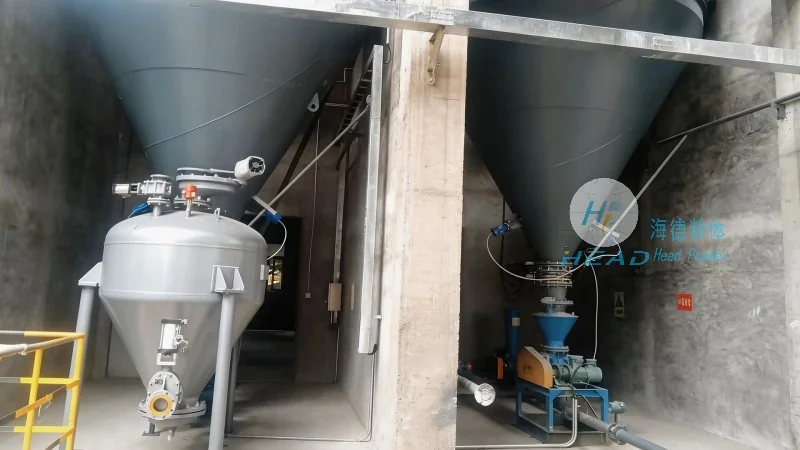
Key Features and Advantages
Several distinct features make the automatic quantitative pneumatic conveying system a preferred choice for industrial applications. Firstly, its high level of automation minimizes the need for manual intervention, reducing labor costs and the risk of human error. The system can be programmed to operate continuously, ensuring a steady supply of material to downstream processes. Secondly, the precise quantitative control allows for accurate dosing, which is critical in applications such as pharmaceutical manufacturing, food processing, and chemical production where exact material quantities are essential for product quality and safety. Thirdly, the system’s ability to handle a wide range of materials, from fine powders to coarse granules, makes it versatile and adaptable to various industrial needs. Additionally, the system is designed for easy maintenance and cleaning, with features like CIP (Clean-in-Place) capabilities that help maintain hygiene standards, especially in industries like food and pharmaceuticals.
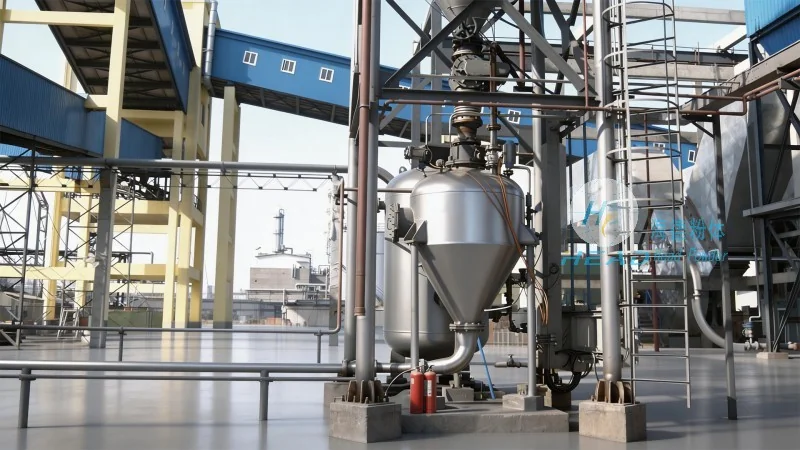
Application Examples and Industry Impact
The automatic quantitative pneumatic conveying system finds applications across multiple industries, including pharmaceuticals, food processing, chemicals, and minerals. In the pharmaceutical industry, for instance, it is used to transport active pharmaceutical ingredients (APIs) and excipients with high precision, ensuring that the final dosage is accurate. In food processing, it helps in the efficient transport of ingredients like flour, sugar, and spices, maintaining product quality and consistency. The system’s ability to handle hygienic materials without contamination makes it suitable for sensitive applications where product integrity is paramount. By improving material handling efficiency and reducing waste, the system contributes to overall cost savings and increased productivity in industrial operations.
Conclusion
In summary, the automatic quantitative pneumatic conveying system equipment combines advanced technology with precise control mechanisms to deliver efficient and reliable material transport. Its working principle, centered on automated quantitative control and integrated feedback systems, ensures consistent performance across various industrial applications. The key features, including high automation, precise dosing, versatility, and easy maintenance, make it an invaluable asset for industries requiring accurate and hygienic material handling. As a product of Shandong HeadPowder Engineering Co., Ltd., this system exemplifies the company’s commitment to providing innovative solutions for modern industrial challenges, with its headquarters located in Shandong, China.