

Working Principle and Features of Magnesium Oxide Powder Pneumatic Conveying Systems
Understanding the working principle and features of magnesium oxide powder pneumatic conveying systems is crucial for industries dealing with this material. This article provides a detailed overview, focusing on the technical aspects and operational benefits of such systems, while highlighting the expertise of Shandong HeadPowder Engineering Co., Ltd. from China.
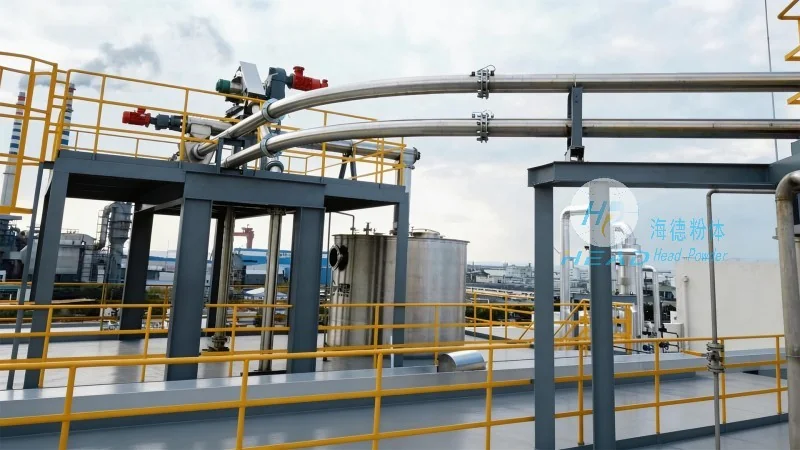
Introduction to Magnesium Oxide Powder Pneumatic Conveying Systems
Magnesium oxide (MgO), commonly known as magnesia, is a white, odorless powder widely used in various industrial applications, including refractory materials, pharmaceuticals, and chemical manufacturing. The efficient and safe transportation of MgO powder is essential to maintain product quality and operational efficiency. Pneumatic conveying systems offer a reliable solution for handling this fine powder, ensuring minimal dust generation and contamination. This section introduces the fundamental concepts and components of magnesium oxide powder pneumatic conveying lines.
Working Principle of Magnesium Oxide Powder Pneumatic Conveying Systems
The core working principle of pneumatic conveying involves the use of compressed air to transport bulk materials through a pipeline. In the case of magnesium oxide powder, the system operates by creating a pressure differential that moves the powder from the source to the destination. The process typically includes the following key steps:
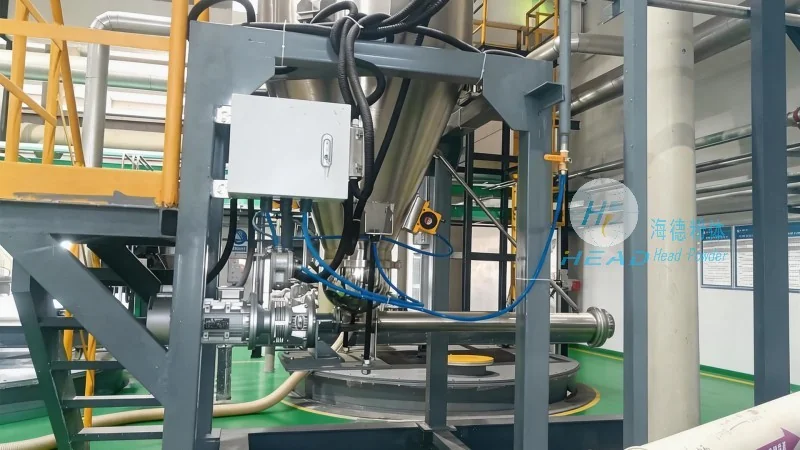
- Material Loading: The magnesium oxide powder is fed into the conveying line, often using a hopper or a rotary valve to control the flow rate and prevent blockages.
- Air Supply: Compressed air is introduced into the pipeline, creating a flow that entrains the powder particles. The air velocity must be sufficient to overcome the gravitational and frictional forces acting on the powder.
- Conveying: The mixture of air and powder travels through the pipeline to the discharge point. The design of the pipeline, including bends and elbows, is optimized to minimize pressure loss and maintain consistent flow.
- Separation and Discharge: At the destination, the air and powder are separated, usually through a cyclone or a filter. The air is then vented, while the magnesium oxide powder is collected in a receiving hopper.
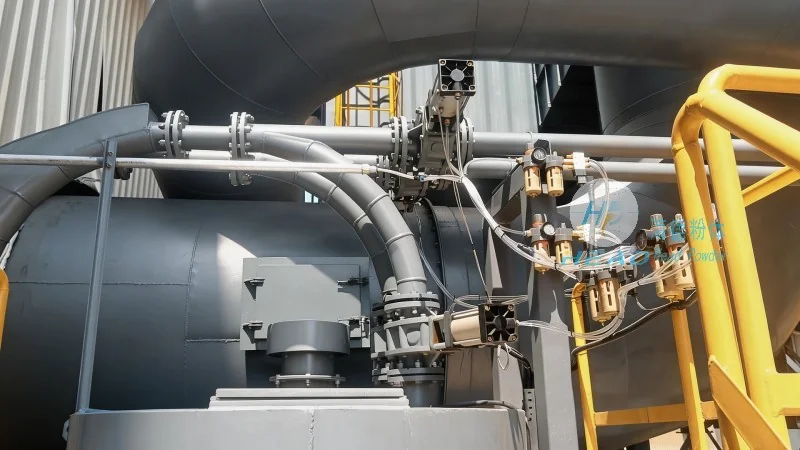
Key components of the system include the air compressor, conveying pipeline, feeding equipment, and separation devices. The selection of these components is critical to ensure optimal performance and efficiency. For magnesium oxide powder, which is fine and abrasive, specialized materials such as stainless steel or PTFE-coated pipes are often used to prevent wear and corrosion.
Key Features and Advantages of Magnesium Oxide Powder Pneumatic Conveying Systems
Compared to traditional mechanical conveying methods, pneumatic conveying systems offer several advantages when handling magnesium oxide powder. These features enhance operational efficiency, safety, and product quality:
- High Efficiency and Capacity: Pneumatic systems can transport large volumes of magnesium oxide powder at high speeds, reducing handling time and increasing production throughput.
- Minimal Product Contamination: The enclosed pipeline design prevents exposure to external contaminants, maintaining the purity of the magnesium oxide powder. This is particularly important for applications where product quality is critical, such as in pharmaceutical or food industries.
- Reduced Dust and Health Hazards: Unlike bucket elevators or belt conveyors, pneumatic systems minimize dust generation, creating a safer working environment and reducing the risk of respiratory issues for operators.
- Flexibility in Layout: The pipeline can be installed in various configurations, including vertical, horizontal, or a combination of both, allowing for flexible plant layouts and easy integration with existing equipment.
- Low Maintenance: With fewer moving parts compared to mechanical conveyors, pneumatic systems require less maintenance, resulting in lower operational costs and increased uptime.
However, it is important to note that the performance of pneumatic conveying systems depends on factors such as the particle size, density, and moisture content of the magnesium oxide powder. Proper system design and sizing are essential to achieve optimal results. For example, for fine magnesium oxide powders with a high moisture content, a system with higher air velocities and more efficient separation may be required to prevent clogging and ensure consistent flow.
About Shandong HeadPowder Engineering Co., Ltd.
Shandong HeadPowder Engineering Co., Ltd., based in China, is a leading manufacturer and supplier of pneumatic conveying systems for various bulk materials, including magnesium oxide powder. The company specializes in designing, manufacturing, and installing customized conveying solutions tailored to the specific needs of clients. With years of experience in the industry, HeadPowder provides high-quality equipment that meets international standards and ensures reliable performance.
The company's headquarters is located in Shandong, China, where it has a team of skilled engineers and technicians dedicated to research and development. HeadPowder's commitment to innovation and customer satisfaction has made it a trusted partner for industries worldwide. By leveraging advanced technology and rigorous quality control, the company delivers systems that enhance operational efficiency and product quality for its clients.