Electrode carbon purification ash, also known as electrode carbon black or carbonaceous residue from the purification process of calcium carbide, is a fine particulate material generated during the production of calcium carbide. This material often requires efficient and reliable transportation from the production site to storage or processing facilities. The choice of conveying method significantly impacts operational efficiency, material handling costs, and environmental compliance. Among the various options available, pneumatic conveying has emerged as a preferred solution for handling electrode carbon purification ash due to its unique advantages and technical capabilities.
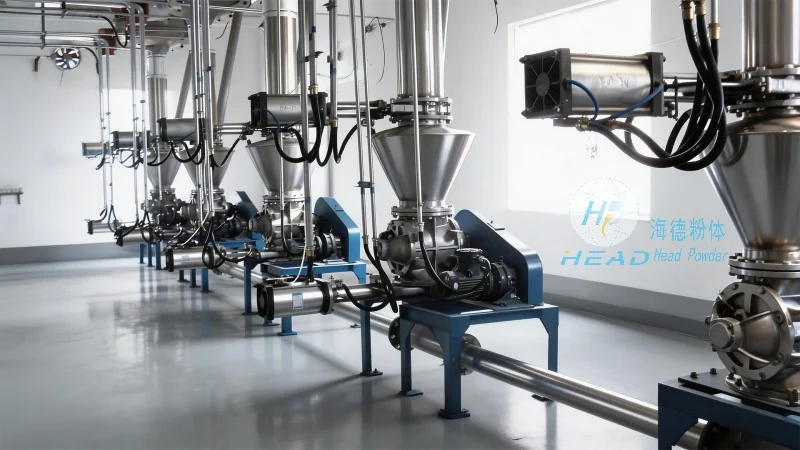
Overview of Conveying Methods for Electrode Carbon Purification Ash
Traditional methods for transporting electrode carbon purification ash include mechanical conveying systems such as belt conveyors, screw conveyors, and bucket elevators. These systems are widely used in industrial settings for bulk material handling. However, they often face challenges when dealing with fine, dusty materials like electrode carbon purification ash. Issues like material buildup, clogging, and high maintenance requirements can lead to operational inefficiencies and increased downtime. In contrast, pneumatic conveying offers a more flexible and effective approach to handling such materials.
The Advantages of Pneumatic Conveying for Electrode Carbon Purification Ash
Pneumatic conveying systems utilize air or other gases to transport materials through a pipeline network. For electrode carbon purification ash, this method provides several key advantages that enhance overall operational performance. Firstly, pneumatic conveying enables the transport of fine, dusty materials without the risk of clogging or blockages commonly associated with mechanical systems. The air flow helps to keep the material in suspension, ensuring smooth and continuous movement through the pipeline. Secondly, this technology allows for the integration of multiple conveying points and destinations, providing flexibility in material routing and reducing the need for complex infrastructure changes. Thirdly, pneumatic conveying systems can be designed to operate under negative pressure, which helps to contain dust and minimize environmental emissions, aligning with modern environmental regulations.
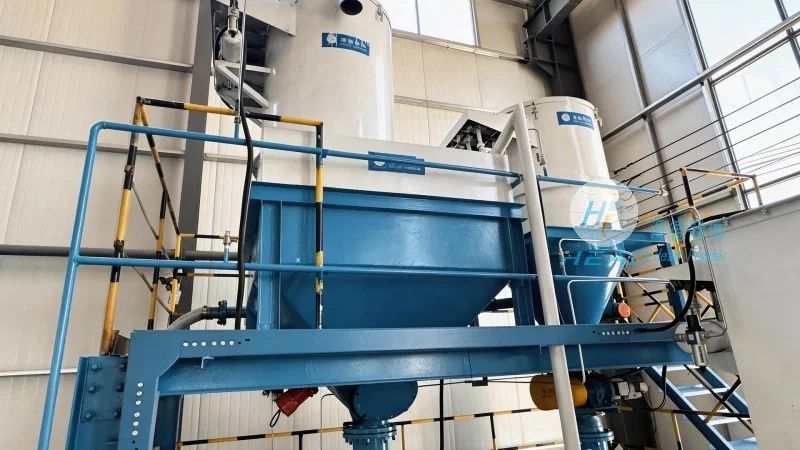
Key Features of Pneumatic Conveying Systems for Electrode Carbon Purification Ash
When considering pneumatic conveying for electrode carbon purification ash, several technical features are critical to ensure optimal performance. The system design typically includes a blower or compressor to generate the necessary air pressure, a hopper or feeder to introduce the material into the pipeline, and a receiver or silo to collect the material at the destination. The choice of air velocity is crucial; it must be sufficient to keep the material in suspension but not so high as to cause excessive energy consumption or wear on the system components. Additionally, the material's properties, such as particle size, density, and moisture content, are important factors in determining the appropriate conveying velocity and system configuration. For electrode carbon purification ash, which often has a fine particle size and can be prone to dust generation, a well-designed pneumatic system can effectively manage these characteristics and maintain consistent material flow.
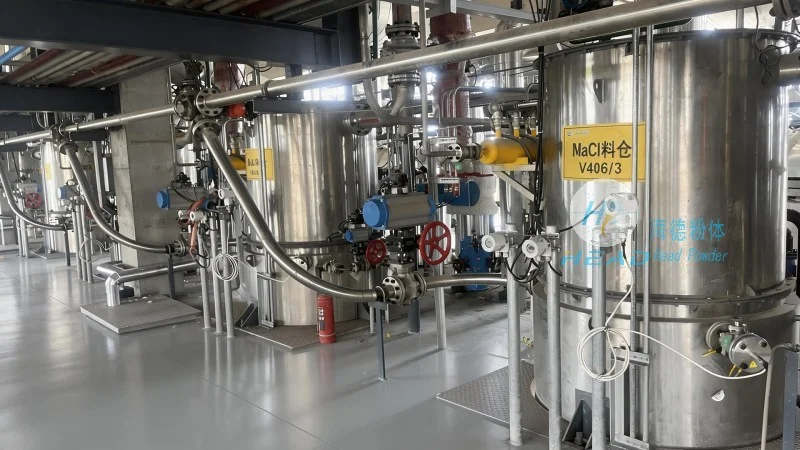
Operational Benefits and Cost Efficiency
The adoption of pneumatic conveying for electrode carbon purification ash offers significant operational benefits and cost advantages. By eliminating the need for multiple mechanical components and reducing maintenance requirements, the overall operational costs can be lowered. The system's ability to handle fine materials without clogging also minimizes downtime and increases production throughput. Furthermore, the enclosed nature of pneumatic conveying helps to contain dust and prevent environmental contamination, which is essential for compliance with environmental regulations. This not only reduces the risk of fines and penalties but also enhances the company's reputation for environmental responsibility. In terms of energy efficiency, modern pneumatic conveying systems are designed to optimize air usage, reducing energy consumption while maintaining effective material transport. This balance between performance and energy use contributes to long-term cost savings and operational sustainability.
Conclusion
In conclusion, pneumatic conveying represents a highly effective and efficient method for transporting electrode carbon purification ash. Its ability to handle fine, dusty materials without clogging, combined with operational flexibility and environmental benefits, makes it a preferred choice for many industrial applications. For companies dealing with electrode carbon purification ash, investing in a well-designed pneumatic conveying system can lead to improved operational efficiency, reduced costs, and enhanced environmental compliance. As the demand for calcium carbide and related products continues to grow, the adoption of advanced material handling technologies like pneumatic conveying will remain critical to maintaining competitive advantage and operational excellence.




