

Types and Practical Applications of Pneumatic Conveying Systems for Lithium Cobalt Oxide (LCO) Trans
HeadPowder, a leading provider of powder handling solutions, specializes in the design and implementation of advanced pneumatic conveying systems tailored for the transport of lithium cobalt oxide (LCO), a critical component in lithium-ion battery production. This article explores the various types of pneumatic conveying systems utilized in LCO handling and their practical applications within industrial settings.
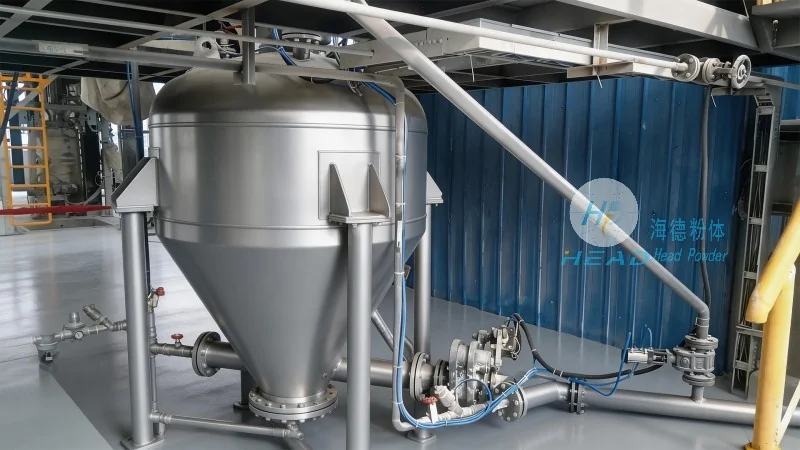
Overview of Pneumatic Conveying Systems for LCO Transport
Pneumatic conveying systems are essential for safely and efficiently transporting fine powders like LCO, which is known for its high reactivity and potential for dust explosions. These systems use air or gas to move material through a pipeline, offering advantages such as minimal product contamination, low maintenance requirements, and the ability to handle materials in a closed environment. For LCO, the choice of system type depends on factors including material properties, distance of transport, and the need for product purity and safety.
Types of Pneumatic Conveying Systems
There are primarily two main categories of pneumatic conveying systems: positive pressure and negative pressure systems. Each has distinct characteristics and is suited for different LCO transport scenarios.
Positive Pressure Pneumatic Conveying
Positive pressure systems operate by blowing air or gas into the conveying line, creating a pressure higher than the ambient air. This method is ideal for short to medium-distance transport and is commonly used when the material is to be discharged into a single point or a small number of destinations. In LCO handling, positive pressure systems are often employed in batch processing or when the material needs to be transferred from a storage silo to a mixing or charging unit. The system typically includes a blower, a hopper with a feeder, and a discharge point with a filter to capture any fine particles. The high pressure ensures that the LCO flows smoothly through the pipeline, minimizing the risk of blockages and ensuring consistent flow rates.
Negative Pressure Pneumatic Conveying
Negative pressure systems, also known as vacuum systems, work by creating a vacuum in the conveying line, drawing material from the source and pulling it through the pipeline. This approach is well-suited for long-distance transport and when multiple discharge points are required. For LCO transport, negative pressure systems are often used in continuous production lines where the material needs to be moved from a large storage facility to several processing units or packaging areas. The vacuum created by a fan or ejector pulls the LCO particles into the pipeline, and the system includes a filter at the inlet to prevent dust from entering the fan. Negative pressure systems are particularly effective for handling LCO that may be prone to static charge buildup, as the suction action helps to dissipate static electricity, reducing the risk of electrostatic discharge.
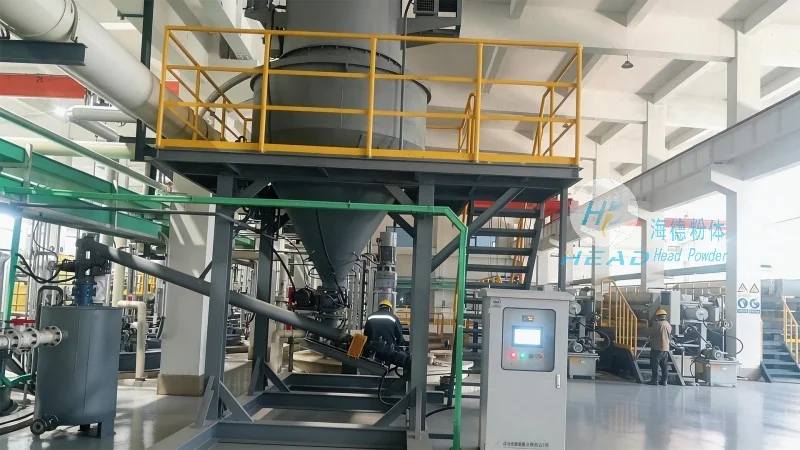
Mixed-Pressure Pneumatic Conveying
Mixed-pressure systems combine elements of both positive and negative pressure, using a combination of blowers and fans to achieve optimal performance. This type of system is versatile and can handle a wide range of LCO transport requirements, including both short and long distances, and multiple discharge points. In mixed-pressure systems, the material is first moved using positive pressure from the source, and then the remaining distance is covered using negative pressure to reach the final destination. This approach allows for efficient use of energy and ensures that the LCO is transported with minimal pressure loss and maximum flow consistency. Mixed-pressure systems are often preferred in industrial settings where flexibility and adaptability are crucial, such as in battery material production facilities where production volumes and requirements may vary.
Practical Applications in LCO Handling
The practical application of pneumatic conveying systems in LCO transport is critical for ensuring the efficiency and safety of battery material production. Here are some key scenarios where these systems are utilized:
From Storage Silos to Processing Units
One of the most common applications is the transfer of LCO from large storage silos to processing units such as mixers, classifiers, or charging stations. Positive pressure systems are often used for this purpose, as they can efficiently move the material from the silo to the processing equipment over short distances. The system typically includes a rotary valve feeder at the silo outlet to control the flow rate of LCO, ensuring a consistent feed to the processing unit. The positive pressure blower then propels the LCO through the pipeline to the processing area, where it is mixed with other battery materials or charged with electrolytes. This application requires a high degree of control over the flow rate and pressure to prevent overloading the processing equipment and to maintain product quality.
Between Production Lines and Packaging Areas
Negative pressure systems are frequently used to transport LCO between different production lines or from the production area to packaging facilities. For example, after LCO has been processed and mixed with other components, it may need to be transferred to a packaging line for further processing or shipment. Negative pressure systems are ideal for this scenario because they can handle long distances and multiple discharge points, allowing the material to be distributed to several packaging units from a single source. The vacuum created by the fan pulls the LCO from the production line into the pipeline and delivers it to the packaging area. The system includes a filter at the inlet to prevent dust from entering the fan and a discharge valve at each packaging unit to control the flow of LCO. This application ensures that the LCO is transported safely and efficiently, minimizing the risk of contamination and ensuring that the material reaches the packaging area in the correct quantity and condition.
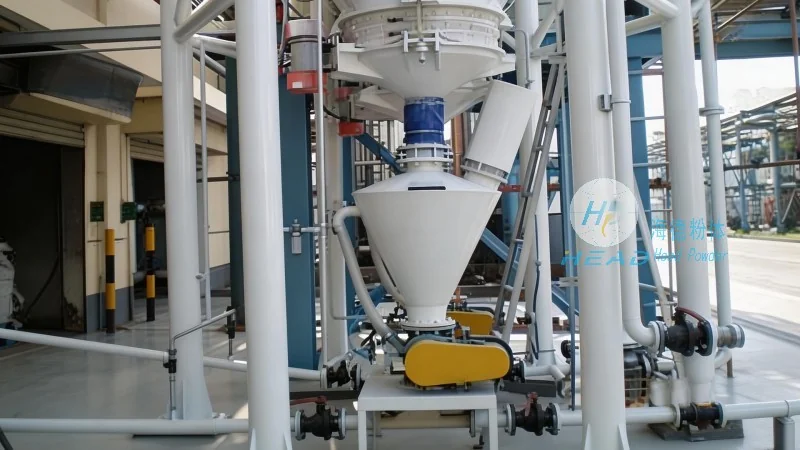
Handling Fine and Reactive Powders
LCO is a fine powder with high reactivity, making it susceptible to dust explosions and product contamination. Pneumatic conveying systems are designed to address these challenges by maintaining a closed environment and controlling the flow of air and material. The systems use filters to capture any fine particles and prevent them from entering the environment, and they often include static elimination devices to reduce the risk of electrostatic discharge. In practical applications, these systems are used to handle LCO in a way that minimizes dust generation and ensures that the material remains in a stable state throughout the transport process. This is particularly important in battery material production, where the quality of the LCO directly impacts the performance and safety of the final battery product.
Key Considerations for LCO Pneumatic Conveying Systems
When implementing pneumatic conveying systems for LCO transport, several key considerations must be taken into account to ensure optimal performance and safety. These include material properties, system design, and operational parameters.
Material Properties
LCO has specific properties that affect its handling, such as its particle size distribution, moisture content, and static charge. The particle size distribution determines the flowability of the material and the risk of blockages in the pipeline. Moisture content can affect the material's reactivity and its ability to flow through the system. Static charge buildup can lead to dust explosions and product contamination. Therefore, it is essential to consider these properties when selecting the appropriate pneumatic conveying system and its components. For example, if the LCO has a high static charge, a negative pressure system may be preferred as it helps to dissipate the charge, reducing the risk of electrostatic discharge.
System Design and Components
The design of the pneumatic conveying system, including the type of blower or fan, the size of the pipeline, and the type of filters and feeders, is critical to the successful transport of LCO. The blower or fan must be capable of generating the required pressure or vacuum to move the LCO through the pipeline, and the pipeline must be sized appropriately to minimize pressure loss and ensure consistent flow rates. The filters are essential for capturing fine particles and preventing them from entering the environment or damaging the fan. The feeders, such as rotary valves or screw feeders, must be able to control the flow rate of LCO accurately and consistently, preventing overloading or underloading of the system. Proper system design ensures that the LCO is transported efficiently and safely, minimizing downtime and maintenance costs.