Polycarbonate (PC) is a widely used engineering plastic known for its excellent impact resistance, high transparency, and good chemical stability. In industrial applications, efficient and reliable conveying of PC materials is crucial for maintaining production efficiency and product quality. Various conveying methods are employed to handle PC materials, each with its own advantages and limitations. This article provides a detailed comparison of common polycarbonate conveying methods, focusing on their operational principles, suitability for PC materials, and practical considerations.
Gravity Conveying Systems
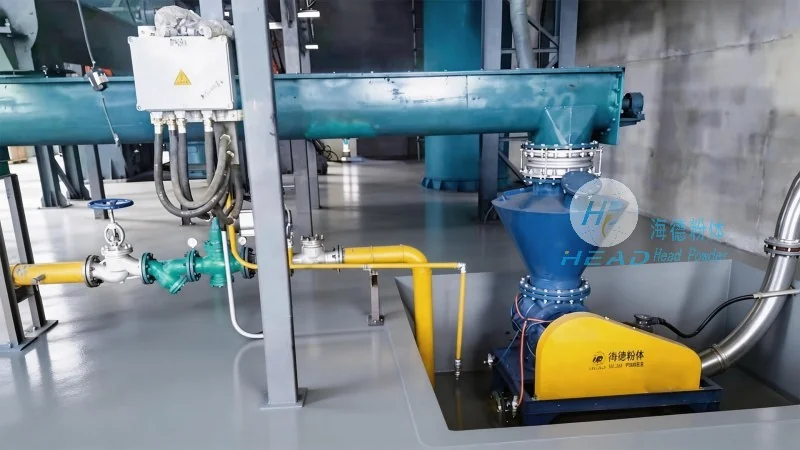
Gravity conveying systems utilize the natural force of gravity to move polycarbonate materials from one location to another. These systems typically consist of inclined chutes or troughs that allow materials to flow downward under the influence of gravity. The design of gravity conveyors is relatively simple, involving minimal moving parts, which reduces maintenance requirements and operational costs. For polycarbonate, gravity conveyors are suitable for handling materials that are free-flowing and have a relatively low angle of repose. However, they are limited by the need for a suitable slope and may not be effective for materials with high moisture content or those that tend to stick together. The smooth surface of polycarbonate can sometimes cause materials to slip or slide unevenly, potentially leading to uneven flow or blockages. In such cases, additional measures like anti-stick coatings or gentle vibrations may be required to ensure smooth operation.
Mechanical Conveying Methods
Mechanical conveying methods rely on mechanical energy to move polycarbonate materials. These systems include various types such as belt conveyors, screw conveyors, and bucket elevators. Belt conveyors use a continuous belt to transport materials horizontally or at a slight incline. They are suitable for handling a wide range of materials, including polycarbonate, and can be designed to accommodate different load capacities and material characteristics. Screw conveyors, also known as auger conveyors, use a rotating screw to push materials forward. This method is effective for conveying granular or powdery polycarbonate materials and can operate in both horizontal and vertical orientations. However, screw conveyors may cause some wear on the polycarbonate material due to friction, especially if the material is abrasive or has sharp edges. Proper material selection for the screw and housing is essential to minimize wear and ensure long-term performance. Bucket elevators use a series of buckets attached to a chain or belt to lift materials vertically. They are ideal for vertical transport of polycarbonate, but may require more maintenance compared to other mechanical conveyors due to the moving parts involved.
Vibrating Conveyors
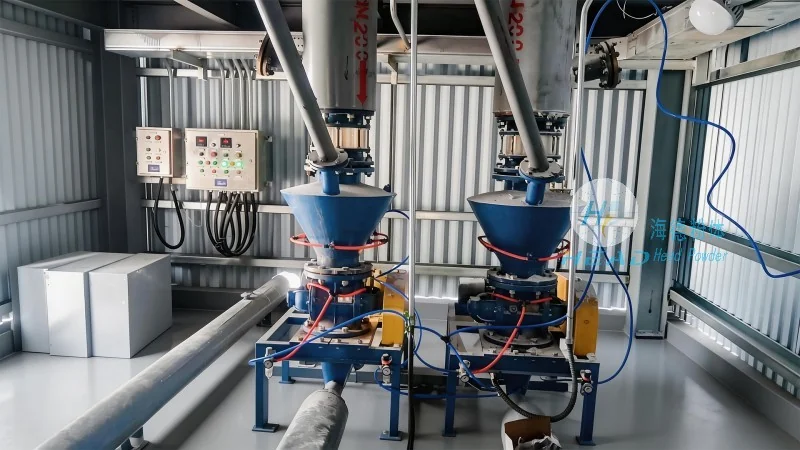
Vibrating conveyors employ vibration to move polycarbonate materials along a conveying path. The conveyor consists of a trough or tube that is vibrated at a specific frequency and amplitude, causing the material to move forward. This method is particularly effective for handling materials that are cohesive or have a high angle of repose, as the vibration helps to break up clumps and maintain a consistent flow. Polycarbonate materials, which can sometimes tend to stick together or form agglomerates, benefit from the gentle agitation provided by vibrating conveyors. The vibration also helps to prevent material buildup and blockages in the conveyor system. Vibrating conveyors are available in various designs, including linear and circular motion types, allowing for customization based on the specific requirements of the polycarbonate material being conveyed. The smooth surface of polycarbonate can be a challenge for some vibrating systems, as it may require higher vibration frequencies to achieve effective movement. However, modern vibrating conveyor designs incorporate specialized materials and coatings to address this issue and ensure reliable operation.
Air-Flow Conveying
Air-flow conveying, also known as pneumatic conveying, uses compressed air to transport polycarbonate materials through a pipeline. This method is particularly suitable for handling fine powders or granules of polycarbonate, as it allows for the material to be moved over long distances without the need for physical contact. The system typically consists of a hopper, a venturi or airlock, and a receiver. The polycarbonate material is fed into the hopper, and compressed air is introduced to create a flow that carries the material through the pipeline to the receiver. Air-flow conveying is efficient and can handle materials that are difficult to convey mechanically, such as those with high moisture content or those that tend to stick together. However, it requires a reliable air supply system and may be less effective for larger pieces or bulk materials. The pressure drop in the pipeline and the potential for material degradation due to friction with the air must be considered when designing an air-flow conveying system for polycarbonate. Proper filtration and material handling practices are essential to maintain the quality of the polycarbonate material during transport.
Combination Conveying Systems
In many industrial applications, a single conveying method may not be sufficient to meet all the requirements for polycarbonate handling. Combination conveying systems, which integrate multiple types of conveyors, are often used to achieve efficient and reliable material transport. For example, a system might combine a gravity conveyor for initial transport with a mechanical conveyor for vertical lifting, or a vibrating conveyor for fine material handling followed by a belt conveyor for final delivery. These integrated systems allow for flexibility and adaptability, ensuring that the polycarbonate material is handled in the most efficient manner possible. The design of combination conveying systems requires careful consideration of the material characteristics, such as particle size, moisture content, and flow properties, as well as the operational constraints of the production environment. By combining different conveying methods, manufacturers can optimize the overall conveying process, reduce downtime, and improve product quality.
Factors to Consider When Choosing a Conveying Method
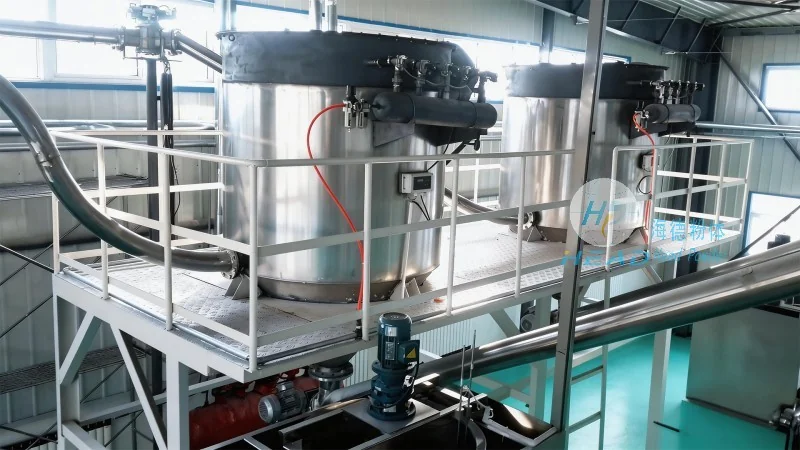
When selecting a conveying method for polycarbonate materials, several factors must be taken into account to ensure optimal performance and efficiency. The first consideration is the physical properties of the polycarbonate material, including its particle size, shape, moisture content, and flow characteristics. Materials with high moisture content or those that tend to stick together may require more aggressive conveying methods, such as vibrating or pneumatic systems. The distance and direction of material transport are also important factors. Horizontal or slight incline transport may be suitable for gravity or belt conveyors, while vertical transport may require screw or bucket elevators. The production volume and throughput requirements also influence the choice of conveyor system. High-volume applications may require larger and more robust conveyors, while low-volume applications may be better suited to smaller, more compact systems. Maintenance and operational costs are additional considerations. Simple systems like gravity conveyors have lower maintenance costs but may have limitations in terms of material handling capabilities. Mechanical systems, while more versatile, may require more frequent maintenance and higher operational costs. The overall cost of ownership, including initial investment, maintenance, and energy consumption, should be evaluated to determine the most cost-effective conveying method for polycarbonate materials.
Conclusion
Choosing the right conveying method for polycarbonate materials is critical to ensuring efficient and reliable production processes. Each conveying method has its own advantages and limitations, and the selection should be based on the specific characteristics of the polycarbonate material and the operational requirements of the application. Gravity conveying systems are simple and cost-effective for free-flowing materials, while mechanical conveyors offer versatility and high capacity. Vibrating conveyors are effective for cohesive materials, and air-flow conveying is suitable for fine powders. Combination systems can provide the flexibility needed for complex material handling tasks. By carefully evaluating the material properties, transport requirements, and operational constraints, manufacturers can select the most appropriate conveying method to optimize their production processes. Shandong HeadPowder Engineering Co., Ltd., a leading provider of industrial conveying solutions, offers a range of conveying systems tailored to the unique needs of polycarbonate handling, ensuring efficient and reliable material transport in various industrial applications.




