Protein powder is a widely used ingredient in the food and beverage industry, as well as in the sports nutrition sector. The efficient and hygienic transportation of this fine powder is crucial for maintaining product quality and ensuring smooth production processes. One of the key technologies used for this purpose is the protein powder pneumatic conveying machine. This article will explore what these machines are and delve into their fundamental design principles.
Understanding Protein Powder Pneumatic Conveying Machines
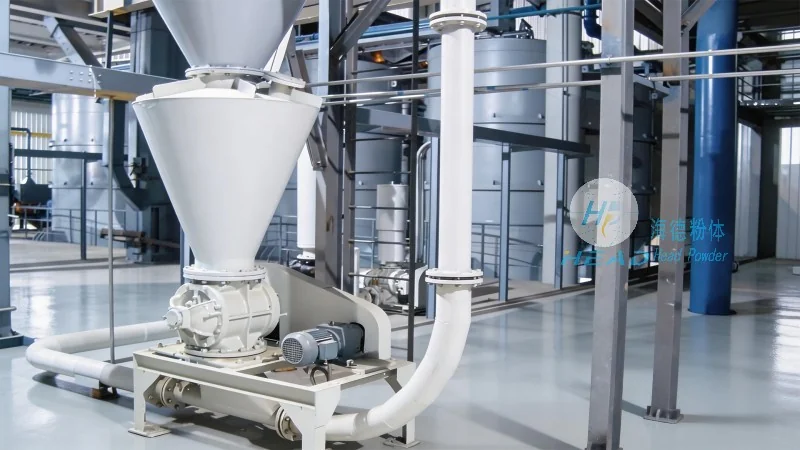
A protein powder pneumatic conveying machine is a system designed to transport dry, fine powders like protein powder through a pipeline using compressed air or other gases. Unlike traditional mechanical conveyors, which rely on physical contact and friction, pneumatic conveyors operate by suspending the powder particles in a stream of air, allowing them to be moved from one location to another. This method is particularly advantageous for protein powders because it minimizes product degradation, prevents contamination, and ensures a gentle handling process that preserves the powder's texture and nutritional properties.
The Core Design Principles of Pneumatic Conveying Systems
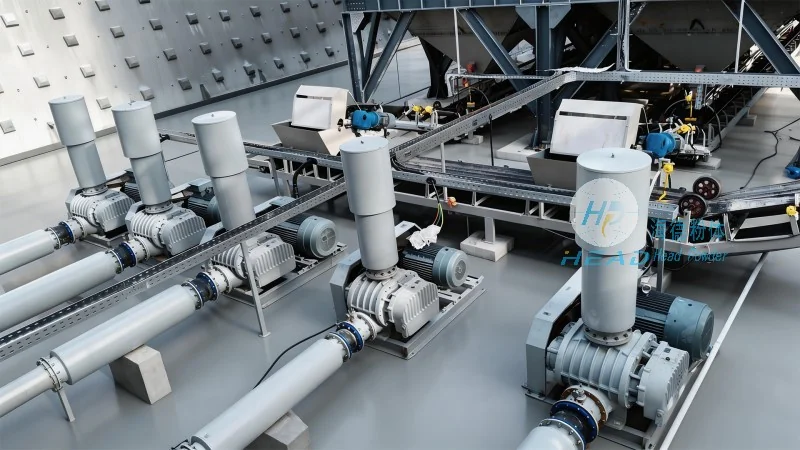
The effectiveness of a protein powder pneumatic conveying machine is determined by several key design principles that work in harmony to achieve efficient and reliable operation. The primary principle is the creation of a consistent air flow that can lift and transport the powder particles. This is typically achieved through the use of a blower or compressor that generates sufficient pressure to overcome the gravitational force acting on the powder. The design must also consider the particle size and density of the protein powder, as these factors influence the air velocity required for proper suspension. Additionally, the system must incorporate appropriate pipeline configurations, such as vertical or horizontal runs, and include features like cyclones or filters to separate the powder from the air stream and prevent blockages.
Key Components and Their Functions
Protein powder pneumatic conveying machines consist of several critical components, each playing a vital role in the overall operation. The main components include a material hopper, which holds the protein powder and provides a controlled feed into the system; a blower or air compressor, which generates the necessary air pressure; a pipeline network that transports the powder and air mixture; and a separation unit, such as a cyclone or bag filter, which separates the powder from the air and collects it in a receiving container. The material hopper is designed with a smooth interior to prevent powder buildup and ensure consistent flow. The blower is typically chosen based on the required air volume and pressure, with options like rotary lobe or centrifugal blowers being common in industrial applications. The pipeline system is constructed from materials that are compatible with the protein powder, such as stainless steel or food-grade plastic, to maintain hygiene and prevent contamination. The separation unit is crucial for maintaining product purity and preventing dust emissions, which is essential for compliance with environmental regulations.
Advantages of Using Pneumatic Conveying for Protein Powders
There are several advantages to using pneumatic conveying systems for protein powders compared to other transportation methods. One of the most significant benefits is the gentle handling of the powder, which minimizes agglomeration and preserves the powder's quality. This is particularly important for protein powders, as they are often sensitive to physical stress and can degrade if handled roughly. Another advantage is the hygienic nature of the system, which is essential in food and pharmaceutical applications. Pneumatic conveyors can be designed with easy-to-clean surfaces and minimal dead zones, reducing the risk of bacterial growth and contamination. Additionally, these systems offer flexibility in terms of layout, as they can be configured to accommodate complex production lines with multiple feeding and discharge points. The ability to transport powders over long distances without the need for intermediate storage or handling also contributes to increased efficiency and reduced downtime.
Applications in the Protein Powder Industry
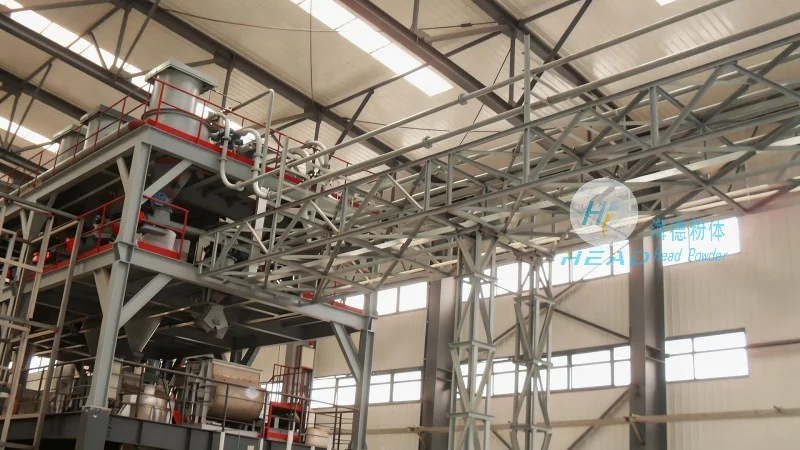
Protein powder pneumatic conveying machines are widely used in various applications within the protein powder industry. In manufacturing facilities, they are used to transport protein powders from storage silos to mixing and blending equipment, ensuring a continuous and controlled supply of raw material. In processing plants, they can be employed to move finished protein powders from production lines to packaging stations, maintaining product integrity throughout the process. Additionally, these machines are used in research and development laboratories to transport small quantities of protein powders for testing and analysis. The versatility of pneumatic conveying systems makes them suitable for a wide range of applications, from large-scale industrial production to smaller-scale laboratory use.
Conclusion and Company Information
In conclusion, protein powder pneumatic conveying machines are essential equipment for the efficient and hygienic transportation of protein powders in the food and sports nutrition industries. Their design principles, which focus on creating a consistent air flow and proper separation of powder from air, ensure reliable operation and product quality. The key components, including hoppers, blowers, pipelines, and separation units, work together to achieve these goals. The advantages of using pneumatic conveying, such as gentle handling and hygienic operation, make it a preferred choice over traditional mechanical conveyors. As a leading manufacturer in this field, Shandong HeadPowder Engineering Co., Ltd. specializes in providing high-quality protein powder pneumatic conveying machines tailored to the specific needs of its clients. With a focus on innovation and quality, the company ensures that its products meet the highest standards of performance and reliability, helping businesses in the protein powder industry achieve optimal production efficiency and product quality. HeadPowder, as the company is commonly known, is committed to delivering solutions that enhance the overall productivity and sustainability of its clients' operations.




