Coal particle pneumatic conveying, also known as powder handling systems, represents a sophisticated method for transporting bulk materials like coal through a pipeline using pressurized air or gas. This technology has become increasingly vital in industrial applications where efficient and reliable material transport is essential. Understanding the working principles behind such systems is crucial for optimizing operations and ensuring safety in various industrial settings.
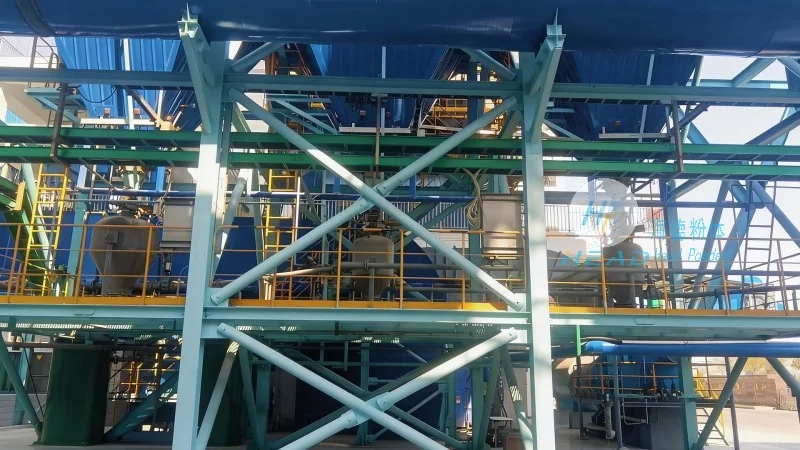
Company Profile: HeadPowder Engineering
HeadPowder Engineering, a leading provider in the field of powder handling solutions, is headquartered in Shandong, China. With a strong commitment to innovation and quality, the company specializes in designing, manufacturing, and implementing advanced pneumatic conveying systems tailored to the unique needs of clients in the coal and other bulk material industries. The company's expertise lies in delivering robust, efficient, and cost-effective solutions that enhance operational efficiency and reduce downtime for its clients.
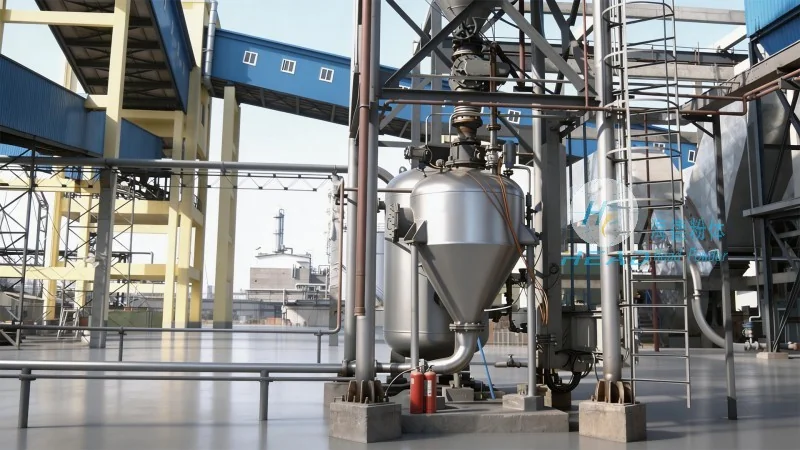
The Working Principle of Pneumatic Conveying Systems
Pneumatic conveying systems operate by utilizing a pressurized air stream to transport solid particles through a pipeline. The process typically involves several key components and steps. First, the coal particles are introduced into a hopper or feeder, where they are then fed into the conveying line. A compressor or blower generates the necessary air pressure, which is then directed into the pipeline. As the air flows through the line, it carries the coal particles along with it, moving them from the source to the destination. The system can be either positive pressure or negative pressure, depending on the specific application and material characteristics.
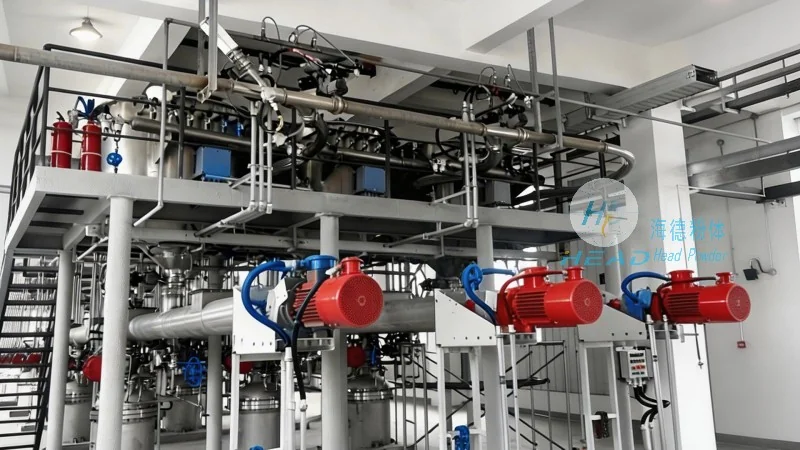
Key Components and Their Functions
Several critical components make up a typical pneumatic conveying system. The primary components include a feeder or hopper to control the flow of coal particles, a compressor or blower to generate the air pressure, a pipeline network to transport the material, and a receiver or discharge unit to collect the material at the end of the line. Additionally, accessories such as filters, cyclones, and valves are often integrated to ensure efficient operation and maintain system cleanliness. Each component plays a vital role in the overall performance and reliability of the system.
Advantages of Coal Particle Pneumatic Conveying
Implementing coal particle pneumatic conveying offers numerous advantages over traditional methods like belt conveyors or bucket elevators. One of the most significant benefits is the ability to transport materials in a closed system, which minimizes dust emissions and improves workplace safety. This is particularly important in coal handling operations where dust can be a major health hazard. Additionally, pneumatic conveying systems can handle a wide range of particle sizes and moisture contents, making them versatile for various coal types. The technology also allows for flexible system layouts, as pipelines can be easily rerouted or extended to accommodate changes in production needs. Furthermore, these systems can operate with lower energy consumption compared to some other bulk material transport methods, contributing to cost savings over time.
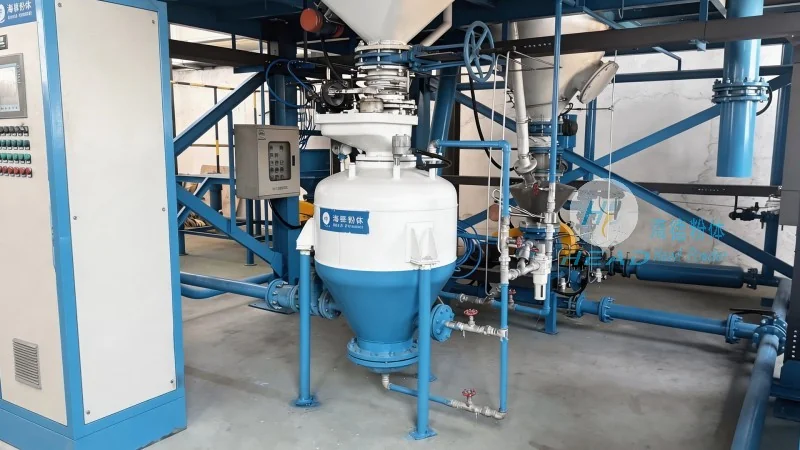
Applications and Industry Impact
Coal particle pneumatic conveying is widely used in the coal mining, power generation, and industrial manufacturing sectors. In power plants, for example, these systems are essential for transporting coal from storage facilities to boilers. The efficiency and reliability of pneumatic conveying systems help ensure a steady supply of fuel, which is critical for maintaining consistent power output. In industrial settings, they are used for transporting coal to processing facilities or for blending with other materials. The technology's ability to handle large volumes of material at high speeds makes it an ideal choice for high-throughput operations. By leveraging the expertise of companies like HeadPowder Engineering, industries can enhance their operational capabilities and meet the demands of modern production requirements.




