For industrial facilities dealing with ash and slag, efficient material handling is crucial for operational efficiency and safety. The pneumatic conveying system, specifically designed for handling these materials, offers a reliable solution that minimizes manual labor and reduces the risk of contamination. This article provides an overview of the ash and slag pneumatic conveying system, detailing its structure and operational principles.
Understanding the Core Components of the Ash and Slag Pneumatic Conveying System
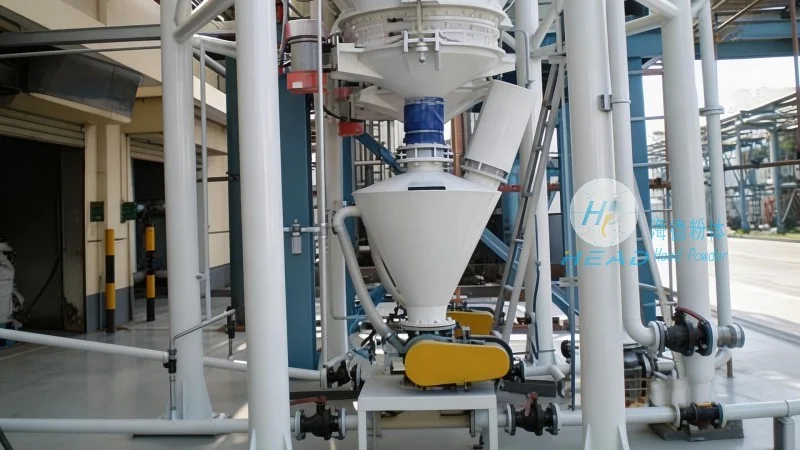
The ash and slag pneumatic conveying system is composed of several key components that work in tandem to transport materials from the source to the destination. These components include the material feed hopper, the conveying pipeline, the air supply system, and the control unit. Each part plays a vital role in ensuring the smooth and efficient operation of the system.
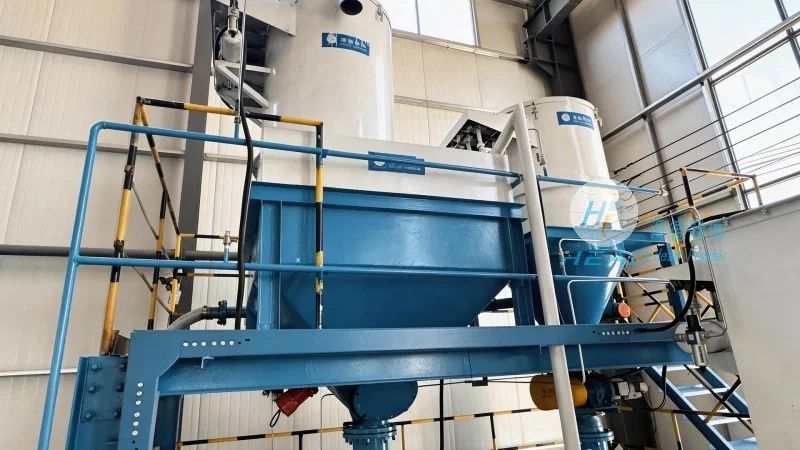
The material feed hopper is responsible for storing and feeding the ash or slag into the system. It is typically designed with a sloped bottom to facilitate the flow of material into the conveying pipeline. The hopper is equipped with a feeding mechanism, such as a rotary valve or a screw feeder, which controls the rate of material discharge. This ensures a consistent flow of material into the system, preventing blockages and maintaining system performance.
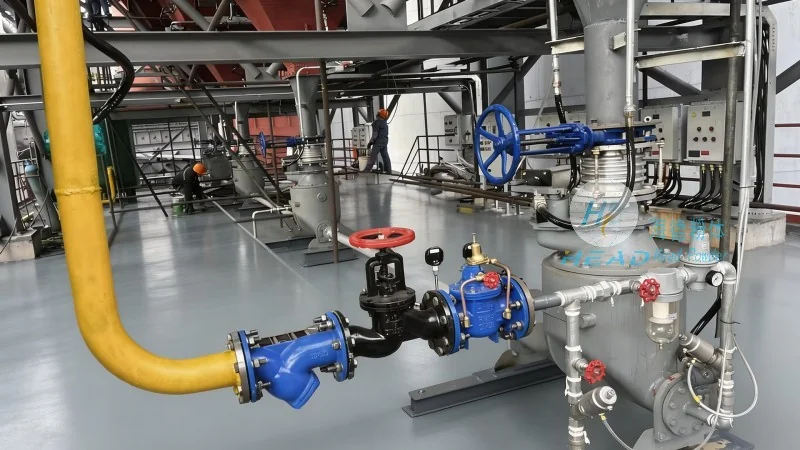
The conveying pipeline is the main channel through which the ash and slag are transported. It is usually made of durable materials like stainless steel or plastic, which are resistant to corrosion and abrasion caused by the abrasive nature of ash and slag. The pipeline is designed with appropriate bends and fittings to guide the material along the desired path. The diameter and length of the pipeline are carefully selected based on the material characteristics and the required conveying distance to ensure optimal performance.
The air supply system provides the necessary pressure and volume of air to move the material through the pipeline. This system typically includes a blower or a compressor, which generates the required airflow. The air is then directed into the pipeline through a venturi or a pressure drop device, creating a low-pressure zone that draws the material into the air stream. The air supply system is equipped with controls to regulate the airflow and pressure, ensuring stable operation and preventing overloading or underloading of the system.
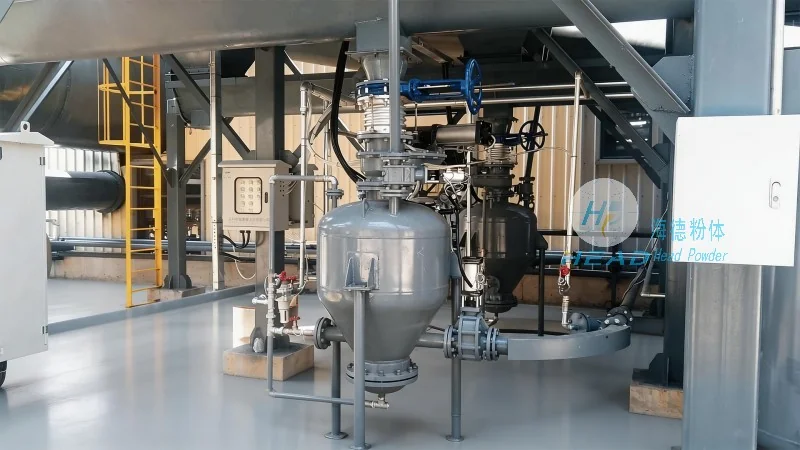
The control unit is responsible for monitoring and controlling the operation of the entire system. It includes sensors and controllers that track the material flow rate, air pressure, and system temperature. The control unit can be programmed to adjust the feeding rate, airflow, and other parameters based on real-time conditions, ensuring optimal performance and preventing system failures. It also provides alerts and alarms for any abnormalities, allowing for timely maintenance and troubleshooting.
Working Principles of the Ash and Slag Pneumatic Conveying System
The operation of the ash and slag pneumatic conveying system is based on the principle of fluidization and suspension of the material particles in an air stream. When the air is introduced into the conveying pipeline, it creates a low-pressure zone that draws the material particles into the air stream. The material is then suspended and transported along the pipeline by the air flow. The velocity of the air is crucial in this process, as it must be sufficient to keep the material particles in suspension and prevent them from settling or clogging the pipeline.
The system operates in two main modes: dilute phase and dense phase. In the dilute phase mode, the material is transported as a dilute suspension of particles in the air stream, with a low solids concentration. This mode is suitable for short to medium conveying distances and is characterized by high air velocities and low pressure drops. In the dense phase mode, the material is transported as a dense slurry, with a higher solids concentration and lower air velocities. This mode is suitable for longer conveying distances and is characterized by lower air velocities and higher pressure drops.
The selection of the operating mode depends on the material characteristics, such as particle size, density, and moisture content, as well as the conveying distance and the required material flow rate. The system can be configured to operate in either mode or switch between modes based on the operational requirements.
Advantages of Using the Ash and Slag Pneumatic Conveying System
Implementing an ash and slag pneumatic conveying system offers several advantages over traditional material handling methods. One of the primary benefits is the reduction in manual labor, as the system automates the entire material handling process. This not only improves operational efficiency but also enhances worker safety by minimizing the risk of exposure to hazardous materials.
Another advantage is the reduction in material contamination. The enclosed system prevents the ash and slag from coming into contact with the environment, reducing the risk of dust pollution and contamination of other materials. This is particularly important in industries where material purity is critical, such as in the production of cement or other construction materials.
The system also offers flexibility in terms of conveying distance and layout. The pipeline can be installed in various configurations, including vertical, horizontal, or a combination of both, to accommodate the specific layout of the industrial facility. This flexibility allows for the integration of the system into existing infrastructure without major modifications.
Furthermore, the ash and slag pneumatic conveying system is energy-efficient compared to other material handling methods. The system uses less energy per unit of material transported compared to conveyor belts or trucks, making it a cost-effective solution for long-term operation.
Applications and Industries Using Ash and Slag Pneumatic Conveying Systems
The ash and slag pneumatic conveying system is widely used in various industries that generate ash and slag as byproducts. These include power plants, cement factories, and steel mills. In power plants, the system is used to transport fly ash from the boiler to the storage silos or to the cement production facilities. In cement factories, the system is used to transport raw materials and finished products, including slag cement, to different parts of the plant. In steel mills, the system is used to transport slag from the blast furnace to the slag processing facilities.
The system is also used in other industries where material handling is a critical operation. For example, in the chemical industry, the system is used to transport powders and granules, while in the food industry, it is used to transport bulk food products. The versatility of the system makes it suitable for a wide range of applications.
Conclusion and Company Information
The ash and slag pneumatic conveying system is a reliable and efficient solution for handling ash and slag in industrial facilities. Its design and operational principles ensure that the material is transported safely and effectively, minimizing the risk of contamination and improving operational efficiency. As a leading provider of engineering solutions, Shandong HeadPowder Engineering Co., Ltd. specializes in designing and manufacturing high-quality ash and slag pneumatic conveying systems tailored to the specific needs of industrial clients. With our expertise and commitment to quality, we help our clients optimize their material handling processes and enhance their overall operational performance.




