

Operation Process and Working Principle of Dry Lime Powder Pneumatic Conveying Line
HeadPowder, a leading enterprise in the field of powder handling technology, specializes in the design, manufacturing, and supply of advanced pneumatic conveying systems. The company, headquartered in Shandong, China, has established itself as a trusted partner for industries requiring efficient and reliable dry powder transport solutions. This article focuses on the operation process and working principle of a dry lime powder pneumatic conveying line, highlighting the key components, operational steps, and technical aspects that ensure optimal performance.
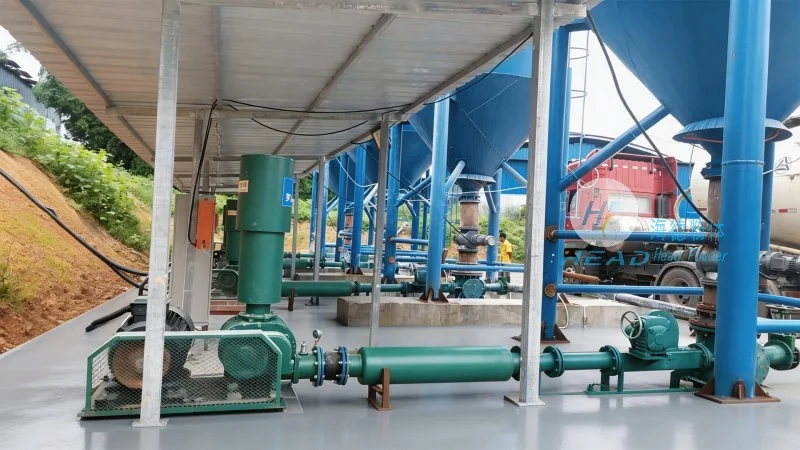
Overview of Dry Lime Powder Pneumatic Conveying Systems
A dry lime powder pneumatic conveying line is a sophisticated system engineered to transport dry lime powder from a storage silo or hopper to a processing unit or storage location using compressed air. The system is designed to handle fine, dusty materials like lime powder, which are prone to caking and segregation if not handled properly. HeadPowder's systems are built with precision to maintain the integrity of the powder, ensuring consistent flow and minimal degradation during transport.
Key Components of the Pneumatic Conveying Line
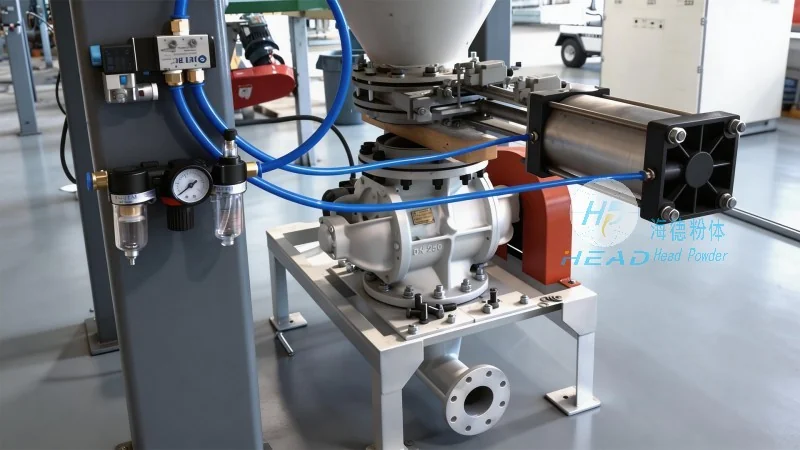
The dry lime powder pneumatic conveying line typically consists of several critical components that work in tandem to achieve efficient material transport. These include a hopper or silo for material storage, a rotary valve or feeder to control the flow of powder, a pipeline system for conveying the material, a compressor or blower to generate the necessary air pressure, and a receiver or destination vessel to collect the transported powder. Each component is carefully selected and integrated to ensure seamless operation and minimal maintenance.
Operation Process of the Pneumatic Conveying Line
The operation of a dry lime powder pneumatic conveying line involves a series of controlled steps to ensure the safe and efficient transport of the material. The process begins with the material being fed from the storage hopper into the feeder. The feeder, often a rotary valve, regulates the flow rate of the lime powder, preventing overloading and maintaining a consistent feed. Simultaneously, the compressor generates compressed air, which is introduced into the pipeline system. The air pressure forces the lime powder particles to move through the pipeline, creating a dense phase or dilute phase flow depending on the system design. The conveying line may include bends, elbows, or other fittings that are designed to minimize pressure drop and prevent material blockage. The transported powder is then discharged into the receiver or processing unit at the destination. The system is equipped with sensors and controls to monitor pressure, flow rate, and other parameters, allowing for real-time adjustments to maintain optimal performance.
Working Principle of the Pneumatic Conveying System
The working principle of the dry lime powder pneumatic conveying line is based on the fundamental concept of using compressed air to move solid particles. The system operates on the principle of fluidization, where the air flow creates a suspension of the powder particles in the air stream. This suspension allows the particles to be transported through the pipeline with minimal friction and degradation. The key to the system's efficiency lies in the balance between air pressure and material flow rate. If the air pressure is too low, the material may not move efficiently, leading to blockages or uneven flow. Conversely, if the air pressure is too high, it can cause excessive wear on the components and increase energy consumption. HeadPowder's systems are engineered to optimize this balance, ensuring that the air pressure and flow rate are precisely controlled to achieve the desired conveying capacity and material quality.
Benefits and Applications of Dry Lime Powder Pneumatic Conveying Lines
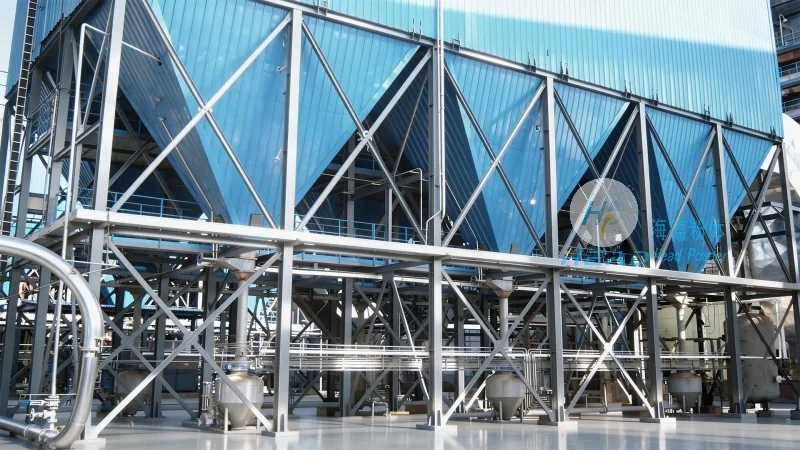
The use of a dry lime powder pneumatic conveying line offers numerous benefits for industries handling lime powder. These include improved material handling efficiency, reduced labor costs, and enhanced safety by minimizing manual handling of dusty materials. The system also helps maintain the quality of the lime powder by preventing segregation and caking, which can affect the material's performance in downstream processes. HeadPowder's systems are widely used in various industries, including chemical manufacturing, food processing, and environmental applications, where the reliable transport of dry lime powder is critical.
Conclusion
HeadPowder's dry lime powder pneumatic conveying line is a highly efficient and reliable solution for the transport of fine dry materials. By understanding the operation process and working principle of the system, users can optimize its performance and ensure consistent material handling. With its advanced design and integration of key components, the system provides a cost-effective and sustainable solution for industries requiring efficient dry powder transport. HeadPowder, with its headquarters in Shandong, China, continues to lead the way in providing innovative powder handling solutions that meet the evolving needs of modern industries.