

Operation Process and Working Principle of Manganese Sulfate Material Handling Equipment
HeadPowder, a leading manufacturer based in Shandong, China, specializes in the design and production of high-efficiency material handling equipment tailored for industrial applications, including the handling of manganese sulfate. This article provides a detailed overview of the operation process and working principle of such equipment, highlighting its key components, operational steps, and technical advantages.
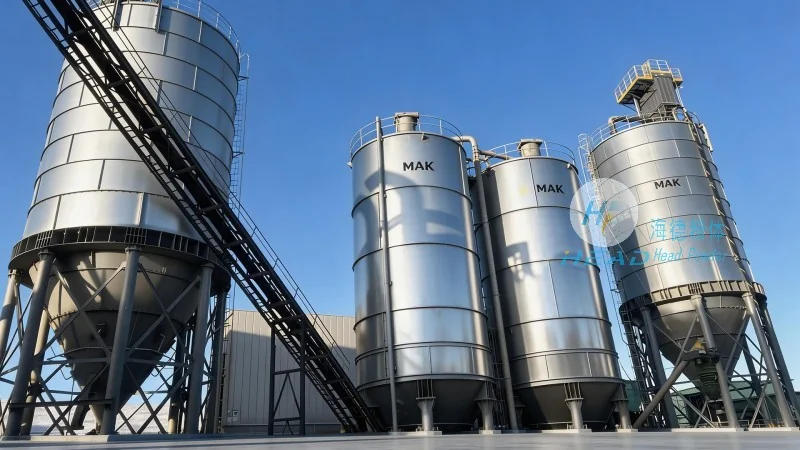
Company Profile and Background
Shandong HeadPowder Engineering Co., Ltd. is a reputable company dedicated to providing reliable and efficient material handling solutions. With a strong presence in the industrial sector, HeadPowder has established itself as a trusted partner for businesses requiring robust equipment for transporting and processing manganese sulfate. The company’s headquarters is located in Shandong, China, where it leverages advanced technology and expertise to develop cutting-edge solutions for diverse industrial needs.
Overview of Manganese Sulfate Material Handling Equipment
Manganese sulfate material handling equipment is engineered to efficiently transport and manage manganese sulfate, a critical chemical widely used in various industries such as battery manufacturing, fertilizers, and water treatment. The equipment typically consists of components like hoppers, conveyors, feeders, and control systems, all designed to ensure safe and effective material handling. These systems are built to handle the unique properties of manganese sulfate, including its granular or powdered form, ensuring minimal dust generation and optimal flow characteristics.
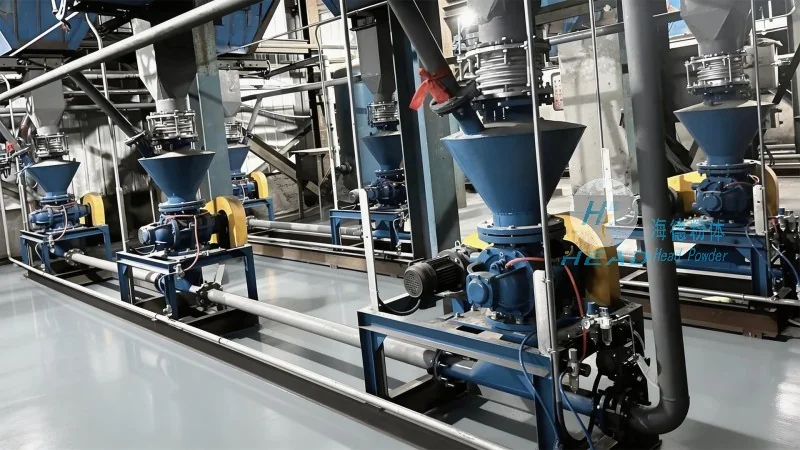
Operation Process of the Equipment
The operation process of manganese sulfate material handling equipment involves several sequential steps that ensure smooth and continuous material transport. The process begins with the loading of manganese sulfate into the hopper, where the material is stored before being fed into the conveyor system. The hopper is equipped with a level indicator to monitor the material level, ensuring that the feed rate is adjusted according to the demand. Once the material reaches the desired level, the feeder activates, controlling the flow rate of the material into the conveyor. The conveyor then transports the manganese sulfate to the discharge point, where it is collected in a storage or processing vessel. The entire process is automated, with control systems monitoring key parameters such as flow rate, pressure, and temperature to maintain optimal performance.
Working Principle of the Equipment
The working principle of manganese sulfate material handling equipment is based on mechanical and hydraulic systems that work in tandem to ensure efficient material transport. The hopper serves as the primary storage unit, where the material is held under controlled conditions. The feeder, often a rotary or vibratory type, regulates the material flow by adjusting the speed of rotation or vibration, thereby controlling the discharge rate. The conveyor system, typically a belt or screw conveyor, uses mechanical power to move the material from the hopper to the discharge point. The control system integrates sensors and actuators to monitor and adjust the operational parameters in real-time, ensuring that the equipment operates within safe and efficient limits. This integrated approach ensures that the equipment can handle varying loads and material characteristics while maintaining consistent performance.
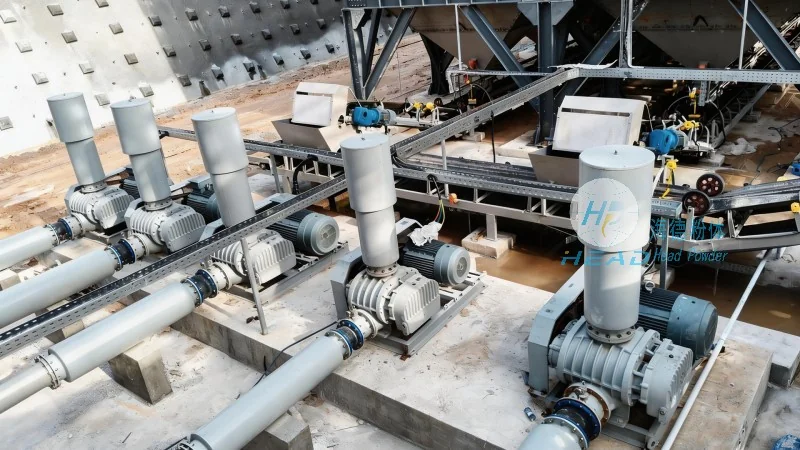
Key Technical Features and Advantages
The manganese sulfate material handling equipment from HeadPowder is equipped with several technical features that enhance its performance and reliability. These include dust suppression systems to minimize airborne particles, which is crucial for maintaining a safe working environment. The equipment also features adjustable feed rates, allowing for precise control over the material flow, which is essential for downstream processing. Additionally, the robust construction and corrosion-resistant materials used in the equipment ensure long-term durability, even when handling corrosive substances like manganese sulfate. The automated control systems provide real-time monitoring and diagnostics, enabling quick identification and resolution of any operational issues, thereby minimizing downtime and maximizing productivity.
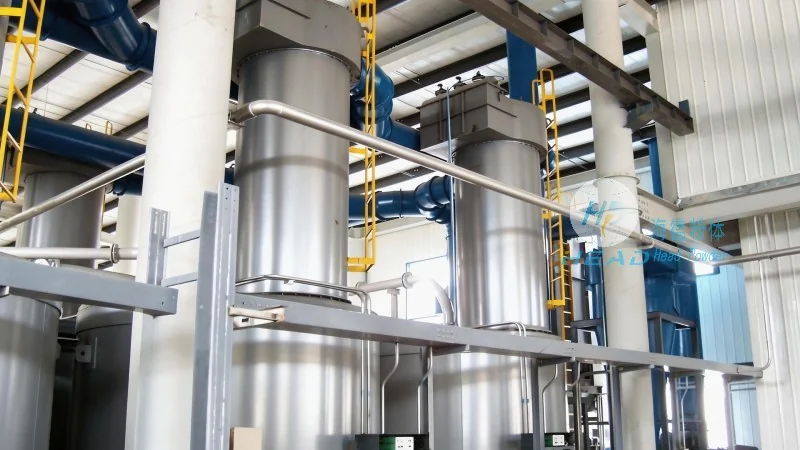
Application and Industry Impact
Manganese sulfate material handling equipment plays a vital role in various industrial applications, particularly in the production of batteries, where manganese dioxide is a key component. The efficient handling of manganese sulfate ensures that the material is processed without loss or contamination, which is critical for maintaining product quality. In the fertilizer industry, the equipment helps in the uniform mixing of manganese sulfate with other nutrients, ensuring that the final product meets the required specifications. The equipment’s ability to handle large volumes of material also contributes to increased production efficiency, allowing businesses to meet growing demand while maintaining cost-effectiveness.
Conclusion
HeadPowder’s manganese sulfate material handling equipment exemplifies the company’s commitment to providing high-quality, reliable solutions for industrial material handling needs. Through its advanced design, efficient operation, and robust construction, the equipment ensures safe and effective transport of manganese sulfate, meeting the demands of various industries. With a strong presence in Shandong, China, HeadPowder continues to innovate and improve its products to meet the evolving needs of the market, providing customers with solutions that enhance productivity and operational efficiency.