Shandong HeadPowder Engineering Co., Ltd., commonly known as HeadPowder, specializes in the design, manufacturing, and supply of advanced material handling equipment tailored for the alumina industry. With a strong focus on precision, efficiency, and reliability, the company's products are engineered to meet the demanding requirements of alumina processing facilities. This article provides an in-depth look at the operation process and working principle of their alumina material handling equipment, highlighting key components and operational dynamics.
Key Components of Alumina Material Handling Equipment
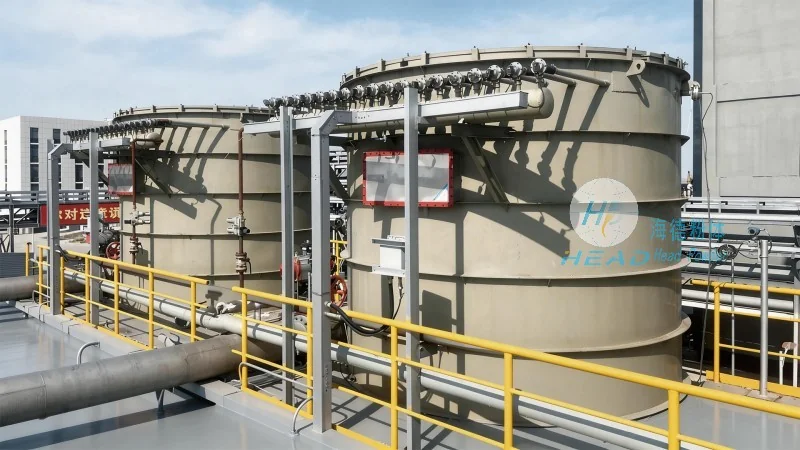
The alumina material handling equipment from HeadPowder typically consists of several critical components that work in concert to ensure smooth material transport. These include feeders, conveyors, storage silos, and control systems. Each component is designed to handle the specific physical properties of alumina, such as its granular or powder form, and the operational conditions within the processing plant. The feeders are responsible for uniformly distributing the alumina material into the conveyor system, while the conveyors transport it to the next stage of processing. Storage silos are used for bulk storage, allowing for controlled release of material as needed. The control systems integrate sensors and automation to monitor and adjust the flow, ensuring optimal performance and safety.
Operation Process of Alumina Material Handling Equipment
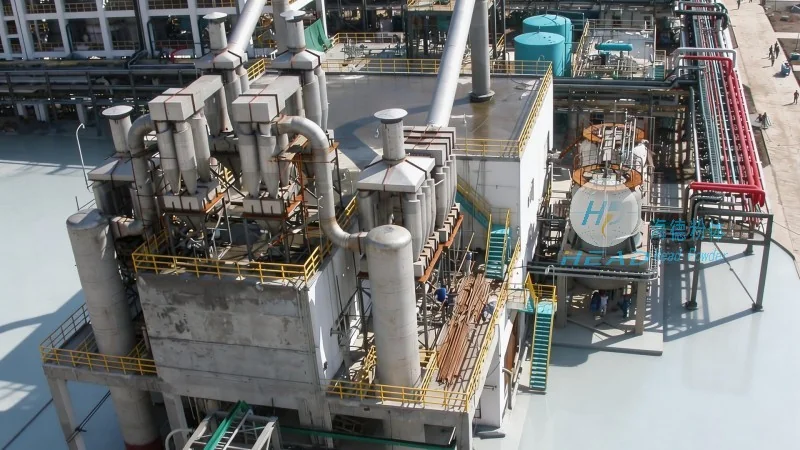
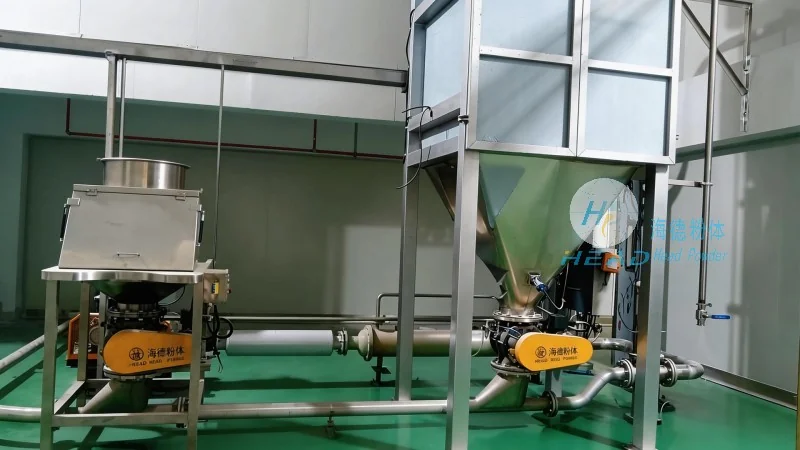
The operation process of alumina material handling equipment begins with the loading of raw alumina material into the storage silo. The material is then discharged from the silo into the feeder, which regulates the flow rate based on the system's requirements. The feeder delivers the material to the conveyor, which transports it to the processing unit or storage area. The conveyor system may include different types of mechanisms, such as belt conveyors or screw conveyors, depending on the specific application and material characteristics. For example, belt conveyors are commonly used for bulk material transport due to their high capacity and low maintenance, while screw conveyors are suitable for handling finer powders and ensuring consistent flow. The control system continuously monitors parameters like flow rate, pressure, and temperature, adjusting the operation in real-time to maintain stability and prevent issues like blockages or overloading. This integrated approach ensures that the alumina material is handled efficiently and safely throughout the entire process.
Working Principle of Alumina Material Handling Equipment
The working principle of alumina material handling equipment is based on mechanical and pneumatic systems that facilitate the movement and storage of alumina. The primary mechanism involves the use of gravity and mechanical force to move the material from one point to another. In the case of belt conveyors, the material is placed on a moving belt, which transports it through the system. The speed of the belt can be adjusted to control the flow rate, allowing for precise control over the material's movement. For screw conveyors, a rotating screw pushes the material forward, ensuring a consistent and controlled flow. The storage silos utilize a hopper design that allows the material to flow under gravity into the feeder, reducing the need for additional mechanical force. The control system integrates sensors that detect the level of material in the silo and feeder, as well as the flow rate through the conveyor. This data is processed to adjust the operation of the feeder and conveyor, maintaining a stable and efficient material flow. The entire system is designed to minimize downtime and maximize throughput, ensuring that the alumina processing facility operates at peak efficiency.
Benefits of Using Alumina Material Handling Equipment from HeadPowder
Implementing alumina material handling equipment from Shandong HeadPowder Engineering Co., Ltd. offers several key benefits for industrial operations. Firstly, the equipment is designed to enhance operational efficiency by reducing manual handling and improving material flow. This leads to increased productivity and reduced labor costs. Secondly, the equipment is built with durability and reliability in mind, using high-quality materials and robust construction to withstand the harsh conditions of alumina processing. This results in lower maintenance costs and longer equipment lifespan. Thirdly, the integration of advanced control systems provides real-time monitoring and automation, ensuring consistent performance and minimizing the risk of operational errors. Additionally, the equipment is tailored to meet specific industry standards and regulatory requirements, providing compliance and safety assurance. By investing in HeadPowder's alumina material handling equipment, facilities can achieve improved process control, reduced downtime, and enhanced overall operational performance.




