

Operation Process and Working Principle of Asphalt Powder Material Handling Equipment
Asphalt powder, also known as asphalt filler or mineral filler, is a crucial component in road construction and pavement maintenance. The efficient handling and transportation of this material are essential for ensuring the quality and durability of asphalt mixtures. This article provides a detailed overview of the operation process and working principle of asphalt powder material handling equipment, highlighting the key components, operational steps, and technical aspects involved in the system. HeadPowder, a leading manufacturer based in Shandong, China, specializes in providing high-quality equipment for asphalt powder handling, ensuring optimal performance and reliability for construction projects.
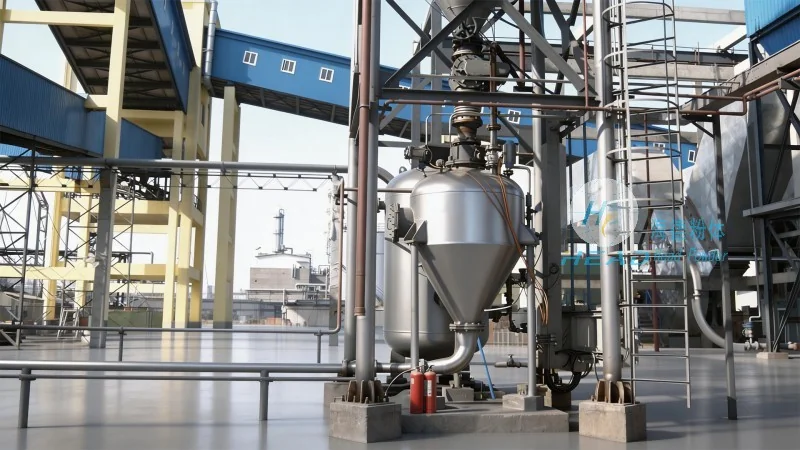
Key Components of Asphalt Powder Handling Systems
The asphalt powder material handling system typically consists of several core components that work in tandem to ensure smooth material flow and processing. These components include:
- Storage Silos: Large-capacity silos are used to store bulk asphalt powder, providing a stable and controlled environment for material storage. These silos are often equipped with aeration systems to prevent material caking and maintain consistent material properties.
- Pneumatic Conveying Systems: This is the primary method for transporting asphalt powder over long distances. The system uses compressed air to create a pressure differential, which propels the powder through a network of pipes. Key components include air blowers, dust collectors, and flexible hoses or rigid pipes.
- Feeding and Metering Devices: These devices control the flow rate of asphalt powder from the storage silos to the conveying system. Common types include rotary valves, screw feeders, and vibrating feeders, which ensure precise and consistent material delivery.
- Control Panels and Automation Systems: Modern asphalt powder handling equipment is often integrated with advanced control systems that monitor and regulate the entire process. These systems use sensors to detect material levels, pressure, and flow rates, and can be programmed to adjust operations automatically for optimal performance.
Operation Process of Asphalt Powder Handling Equipment
The operation process of asphalt powder material handling equipment follows a systematic sequence to ensure efficient material movement from storage to the point of use. The typical steps are as follows:
- Material Loading: Asphalt powder is loaded into the storage silos from bulk delivery trucks or other storage facilities. The silos are equipped with loading hatches and aeration systems to facilitate smooth loading and prevent material degradation.
- Initial Aeration and Conditioning: Once loaded, the material is aerated to prevent caking and maintain its flowability. This step ensures that the powder remains free-flowing and can be conveyed effectively.
- Material Transfer to Conveying System: The controlled flow of asphalt powder from the storage silos is directed to the pneumatic conveying system via the feeding and metering devices. The rotary valve or screw feeder regulates the amount of material entering the conveying line.
- Pneumatic Conveying: Compressed air from the air blower creates a pressure differential, propelling the asphalt powder through the conveying pipes. The system may include intermediate silos or surge hoppers to buffer the flow and maintain consistent pressure.
- Material Discharge: At the destination point (such as a mixing plant or storage silo), the material is discharged from the conveying system. The discharge point is often equipped with a dust collection system to minimize environmental impact and ensure operator safety.
- System Monitoring and Control: Throughout the operation, the control panel continuously monitors key parameters such as pressure, flow rate, and material level. Any deviations are automatically adjusted to maintain optimal performance and prevent system failures.
Working Principle of Pneumatic Conveying in Asphalt Powder Handling
The working principle of pneumatic conveying is based on the use of compressed air to transport solid materials. In the context of asphalt powder handling, the system operates on the principle of creating a pressure differential between the source and destination points. Here’s a detailed breakdown of how it works:
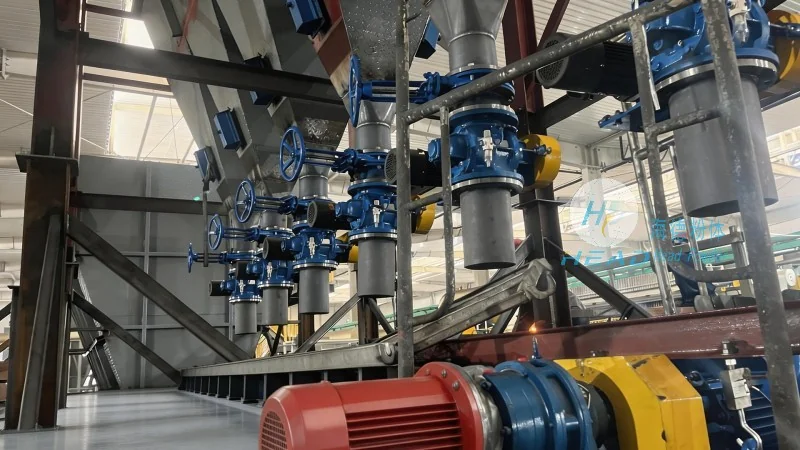
1. Air Compression: The air blower compresses ambient air and supplies it to the conveying line at a high pressure. The pressure is typically maintained between 4 to 10 bar, depending on the system design and distance of material transport.
2. Material Suspension: As the compressed air flows through the conveying pipe, it creates a turbulent flow that suspends the asphalt powder particles in the air stream. The air velocity is carefully controlled to ensure that the particles remain suspended without causing excessive wear on the pipe or components.
3. Transportation: The suspended powder is carried along the conveying line from the source to the destination. The system may include bends, elbows, and vertical sections, which are designed to minimize pressure loss and maintain consistent flow.
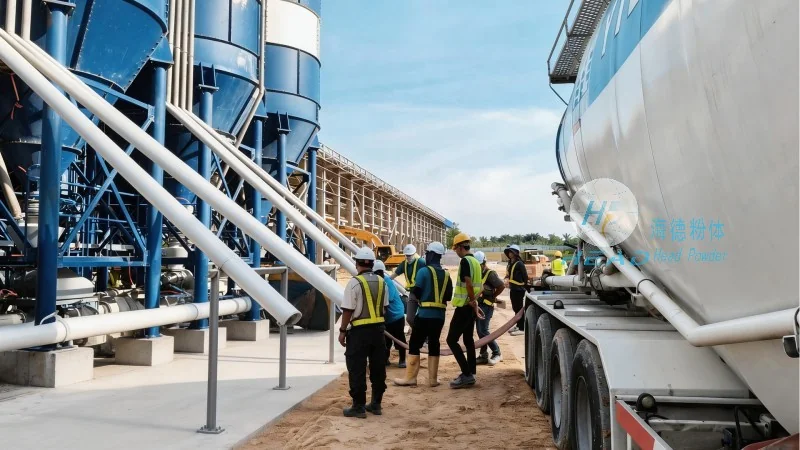
4. Pressure Regulation: Intermediate pressure regulators and surge hoppers are used to maintain consistent pressure and buffer the flow, preventing surges or drops that could affect the conveying efficiency.
5. Dust Collection: At the discharge point, a dust collection system (such as a cyclone or baghouse) captures any fine particles that may be released during the discharge process. This not only improves environmental compliance but also ensures the safety of operators by reducing exposure to airborne dust.
Advantages of Modern Asphalt Powder Handling Equipment
Advanced asphalt powder handling equipment offers several advantages over traditional methods, including: