

Operation Process and Working Principle of Quartz Sand Material Handling Equipment
Quartz sand material handling equipment plays a crucial role in various industrial applications, ensuring efficient and reliable transportation of quartz sand from one location to another. This article provides an in-depth exploration of the operation process and working principle of such equipment, highlighting the key components, operational steps, and technical aspects that contribute to its functionality.
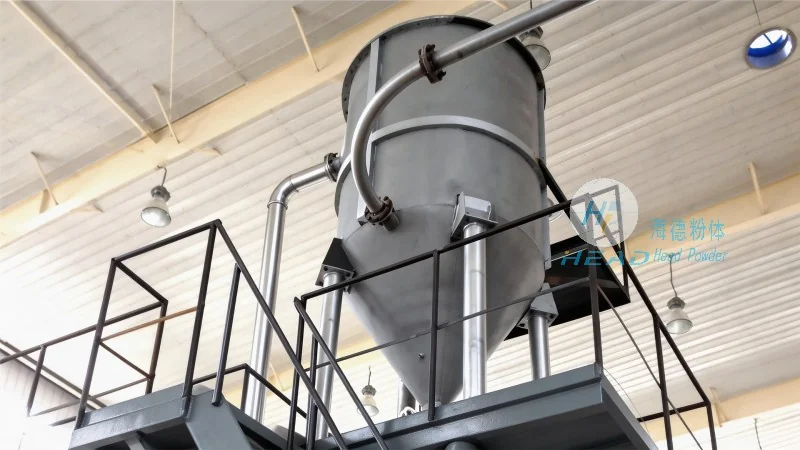
Company Introduction
HeadPowder, a leading manufacturer based in Shandong, China, specializes in the design, production, and supply of high-quality material handling solutions. With a strong commitment to innovation and customer satisfaction, HeadPowder has established itself as a trusted partner in the industry, delivering equipment that meets the diverse needs of clients across different sectors.
Overview of Quartz Sand Material Handling Equipment
Quartz sand, a widely used industrial material, requires specialized equipment for safe and efficient transportation. The equipment typically includes components such as feeders, conveyors, and control systems, all working in tandem to ensure smooth material flow. The design of these systems is tailored to handle the specific characteristics of quartz sand, including its particle size, density, and abrasiveness.
Key Components and Their Functions
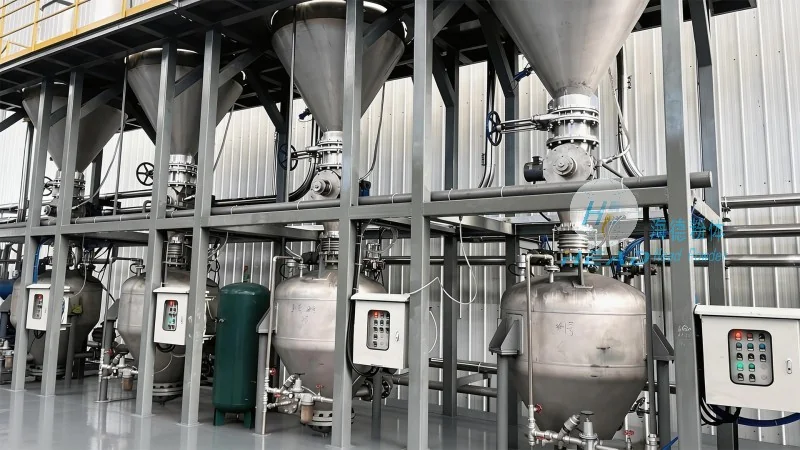
The operation of quartz sand material handling equipment relies on several critical components, each with a specific role in the overall process. The primary components include:
- Feeder: The feeder is responsible for evenly distributing the quartz sand from the storage hopper or silo into the conveyor system. It ensures a consistent flow rate, preventing overloading or underloading of the conveyor.
- Conveyor System: This is the core component that transports the quartz sand from the inlet to the outlet. Depending on the application, conveyors can be of various types, such as belt conveyors, screw conveyors, or pneumatic conveyors. Belt conveyors are commonly used for horizontal and slightly inclined transport due to their high capacity and low maintenance requirements.
- Drive Unit: The drive unit provides the necessary power to move the conveyor belt or other conveying elements. It typically consists of a motor, gearbox, and control mechanisms, ensuring precise speed and torque control.
- Control System: The control system monitors and regulates the operation of the equipment. It includes sensors, switches, and a control panel that allows operators to start, stop, and adjust the conveyor speed as needed. This system ensures safety and efficiency by preventing overloads and protecting the equipment from damage.
- Support Structures: The equipment is supported by sturdy structures that provide stability and durability. These structures are designed to withstand the weight of the quartz sand and the operational forces, ensuring long-term reliability.
Operation Process of Quartz Sand Material Handling Equipment
The operation process of quartz sand material handling equipment involves several sequential steps, each critical to the smooth functioning of the system. The process typically begins with the loading of quartz sand into the storage hopper. The feeder then regulates the flow of sand into the conveyor system. The conveyor transports the sand to the desired location, such as a processing plant or storage area. At the outlet, the sand is discharged into a container or another conveyor for further processing. The control system continuously monitors the flow rate and conveyor speed, adjusting parameters as needed to maintain optimal performance.
Working Principle of Quartz Sand Material Handling Equipment
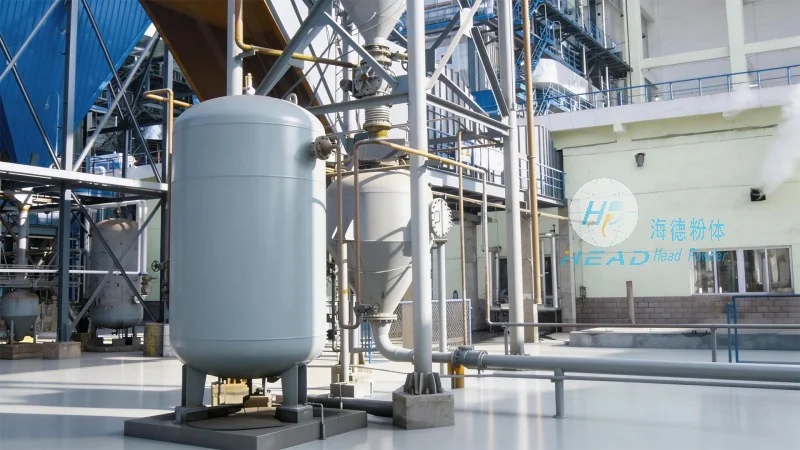
The working principle of quartz sand material handling equipment is based on the transfer of material from the inlet to the outlet through a series of mechanical and control mechanisms. The feeder ensures a uniform flow of quartz sand, which is then conveyed by the belt or other components. The drive unit provides the necessary force to move the conveying elements, while the control system regulates the operation to prevent issues such as blockages or overloading. The entire system operates in a coordinated manner, ensuring that the quartz sand is transported efficiently and safely. The design of the equipment takes into account the physical properties of quartz sand, such as its particle size and abrasiveness, to minimize wear and tear and maximize operational efficiency.
Benefits and Applications
Quartz sand material handling equipment offers several benefits, including high efficiency, low maintenance costs, and reliable performance. These systems are widely used in various industries, including construction, glass manufacturing, and chemical processing. In the construction industry, quartz sand is used as a raw material for concrete and mortar, and the equipment ensures its efficient transport to construction sites. In the glass industry, quartz sand is a key component in the production of glass, and the equipment helps in transporting it to the melting furnaces. In the chemical industry, quartz sand is used in the production of various chemicals, and the equipment ensures its safe and efficient handling.