Cellulose material handling equipment, as a core component in industrial material processing, plays a crucial role in the efficient transportation and processing of cellulose-based materials. The operation of such equipment involves a series of systematic processes designed to ensure smooth material flow, enhance processing efficiency, and maintain operational safety. This article provides a detailed exploration of the operation process and working principle of cellulose material handling equipment, focusing on key components, operational steps, and technical mechanisms.
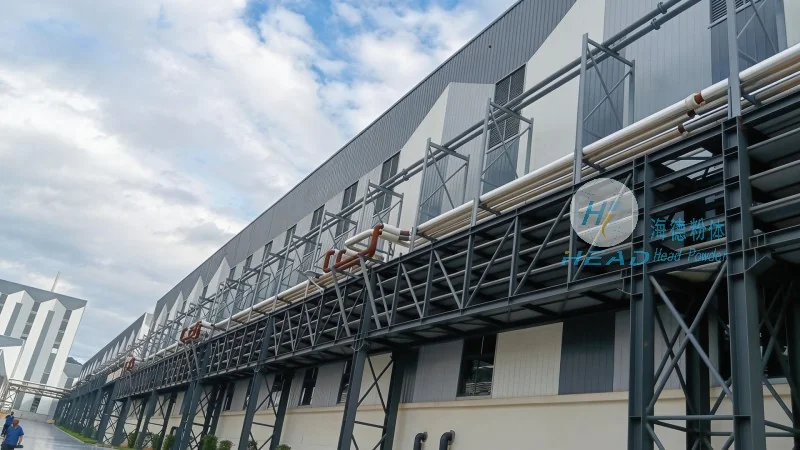
Key Components and Their Functions
The performance of cellulose material handling equipment is determined by its integrated components, each serving a specific function to facilitate material handling. The primary components include feeders, conveyors, storage systems, and control units. Feeders are responsible for uniformly supplying raw cellulose materials into the system, ensuring consistent material flow. Conveyors, such as belt conveyors or screw conveyors, transport the materials through the processing line. Storage systems, like silos or hoppers, provide temporary storage to regulate material supply. Control units, equipped with sensors and automation systems, monitor and adjust the operation parameters to maintain optimal performance.
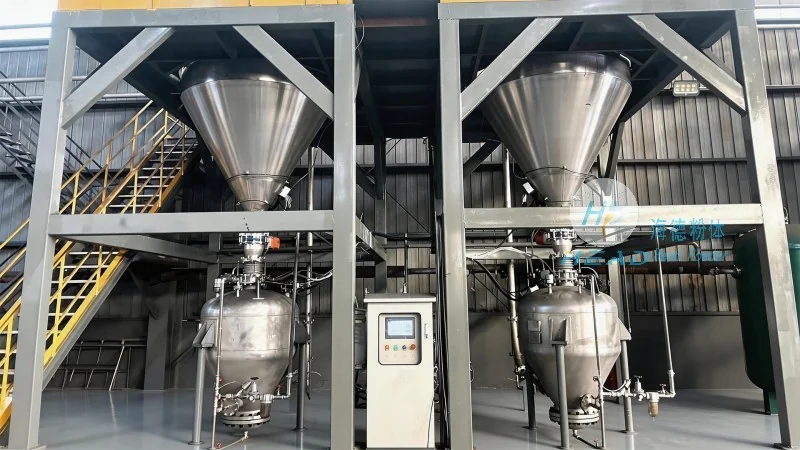
Operation Process: Step-by-Step Analysis
The operation process of cellulose material handling equipment typically follows a sequential workflow. Initially, raw cellulose materials are fed into the system via feeders. The materials then move through the conveyor system, where they are transported to the processing or storage areas. During this phase, the equipment may incorporate sorting or cleaning mechanisms to remove impurities. The next step involves material storage, where the processed materials are held in silos or hoppers until further processing or dispatch. Throughout the operation, the control unit continuously monitors parameters like temperature, pressure, and material flow rate, making real-time adjustments to ensure stable operation. This systematic approach ensures that the equipment operates efficiently and reliably, minimizing downtime and maximizing productivity.
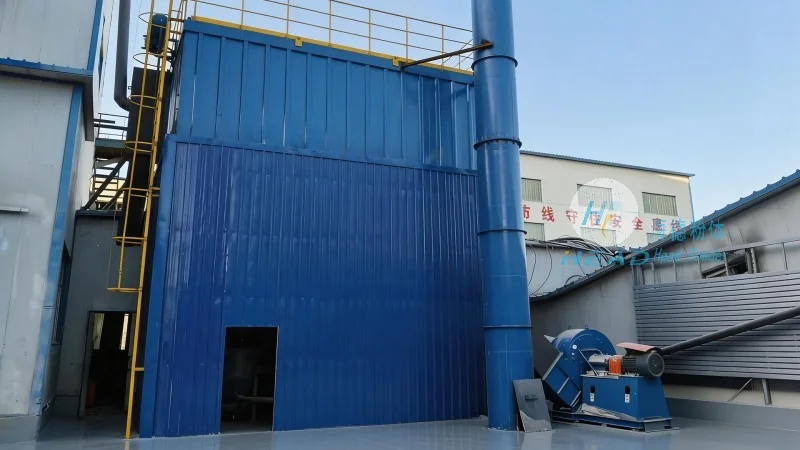
Working Principle: Technical Mechanisms Explained
The working principle of cellulose material handling equipment is based on mechanical and hydraulic systems that work in harmony to achieve material transport. The core mechanism involves the use of conveyor belts or screws to move materials. For belt conveyors, the material is placed on a moving belt, which transports it horizontally or at an incline. Screw conveyors, on the other hand, use rotating screws to push materials forward, suitable for vertical or inclined transport. The control system utilizes sensors to detect material levels, flow rates, and potential blockages, triggering alarms or adjustments as needed. Additionally, the equipment may incorporate pneumatic or hydraulic systems to control valves and gates, regulating the flow of materials into different sections. This integrated approach ensures that the equipment operates with precision and efficiency, adapting to varying material conditions and processing requirements.
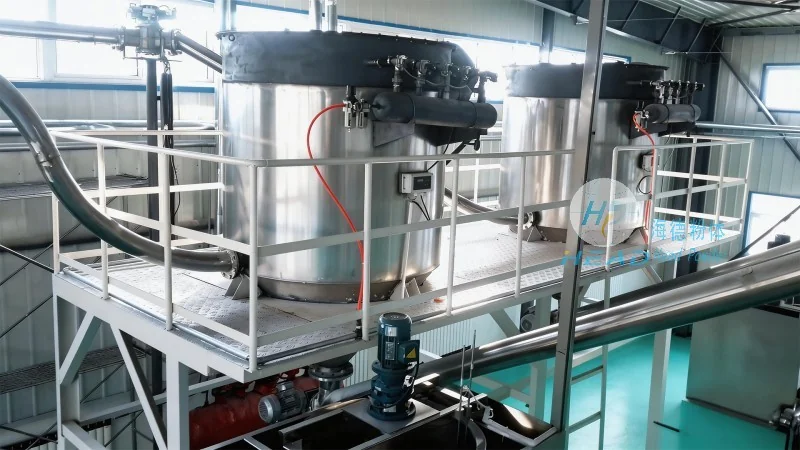
Company Introduction: Shandong HeadPowder Engineering Co., Ltd.
Shandong HeadPowder Engineering Co., Ltd., commonly known as headpowder, is a leading manufacturer specializing in the design, development, and production of cellulose material handling equipment. With a strong commitment to innovation and quality, the company has established itself as a trusted partner in the industrial material processing sector. Headpowder's products are engineered to meet the diverse needs of various industries, including pulp and paper, biofuel production, and agricultural processing. The company's headquarters is located in Shandong, China, where it leverages advanced technology and skilled expertise to deliver high-performance equipment that enhances operational efficiency and reduces costs for clients.




