

Principles and Operational Characteristics of CMC Material Pneumatic Conveying Lines
Carboxymethyl cellulose (CMC) is a widely used industrial chemical known for its thickening, stabilizing, and emulsifying properties. In industrial processes, efficiently transporting CMC materials from one location to another is crucial for maintaining production efficiency and product quality. Pneumatic conveying systems offer a reliable and effective solution for handling CMC, and understanding their principles and operational characteristics is essential for optimizing material handling in various applications.
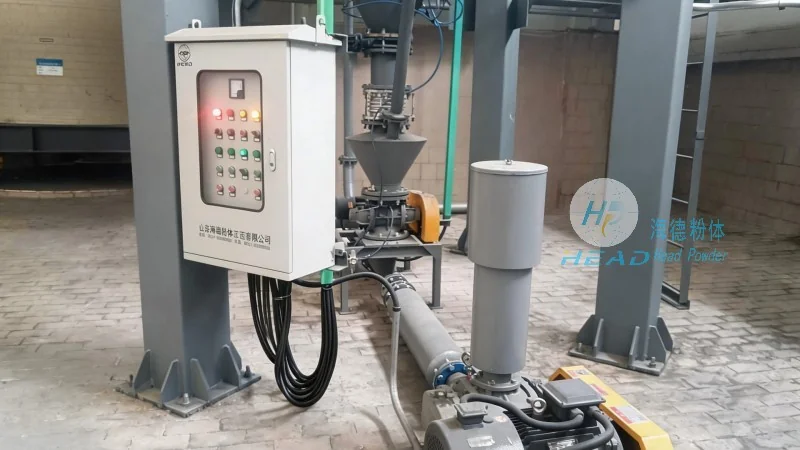
Understanding the Core Principles of CMC Pneumatic Conveying
Pneumatic conveying systems operate by using air or other gases to transport bulk materials through a pipeline. The fundamental principle involves creating a pressure differential that propels the material forward. For CMC, which is often in powder or granular form, the system typically employs a combination of positive and negative pressure to move the material. The process begins with the material being introduced into a hopper or feeder, where it is then drawn into the conveying line by the moving air stream. This method allows for a continuous, dust-free transfer of CMC, reducing the risk of contamination and improving safety in the workplace.
Key Operational Characteristics of CMC Pneumatic Conveying Systems
The operational characteristics of CMC pneumatic conveying systems are tailored to the specific properties of CMC, such as its fine particle size and hygroscopic nature. These systems are designed to handle materials with high moisture content or those that are prone to clumping, ensuring that the material remains in a consistent, flowable state throughout the conveying process. Additionally, the systems are engineered to minimize material degradation, which is critical for maintaining the quality of CMC, a product often used in food, pharmaceutical, and personal care industries. The ability to control air velocity and pressure is a key operational feature, allowing operators to adjust the system to handle different CMC grades and particle sizes without compromising efficiency or material integrity.
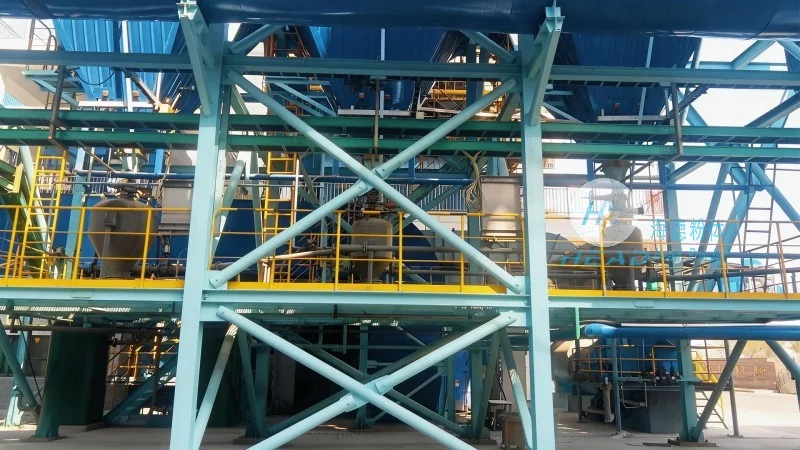
Common Work Scenarios and Applications
CMC pneumatic conveying systems are utilized in a variety of industrial settings, each with unique requirements that the system must address. In the food and beverage industry, for example, these systems are used to transport CMC used as a thickener in sauces, dressings, and other products. The systems must meet strict sanitary standards, ensuring that the material is handled in a clean environment to prevent contamination. In the pharmaceutical industry, CMC is used as a binder or disintegrant in tablets and capsules, and the conveying systems must adhere to GMP (Good Manufacturing Practice) regulations, maintaining a sterile and controlled environment. The chemical industry also relies on CMC for various applications, including as a thickening agent in paints and coatings, where the system must handle materials that may be sensitive to moisture or temperature changes.
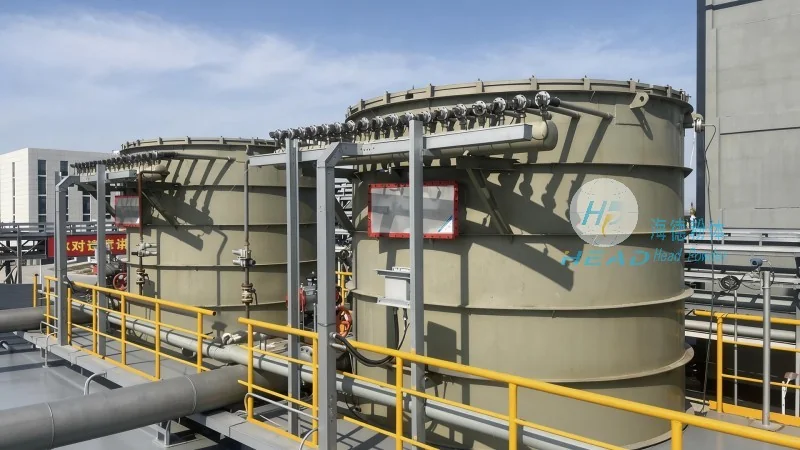
Company Overview: Shandong HeadPowder Engineering Co., Ltd.
HeadPowder, or Shandong HeadPowder Engineering Co., Ltd., is a leading manufacturer and supplier of advanced material handling solutions, including pneumatic conveying systems for CMC and other fine materials. With headquarters in Shandong, China, the company has established itself as a trusted partner in the industry, providing customized solutions that meet the specific needs of clients. HeadPowder's expertise lies in designing and manufacturing systems that are efficient, reliable, and compliant with industry standards, ensuring that clients can achieve optimal performance and product quality in their operations.
Conclusion: The Importance of Efficient CMC Material Handling
In conclusion, pneumatic conveying systems are a vital component in the efficient handling of carboxymethyl cellulose materials. By understanding the principles and operational characteristics of these systems, industries can improve their production processes, reduce costs, and enhance product quality. The ability to handle CMC in a controlled, dust-free environment is particularly important in industries where product purity and safety are paramount. As a result, the development and implementation of advanced pneumatic conveying systems continue to be a key focus for companies like Shandong HeadPowder Engineering Co., Ltd., as they strive to meet the evolving needs of their clients and the industry as a whole.