

Principle and Working Scene Characteristics of Pneumatic Conveying Line for Glass Slag Material
HeadPowder, a leading engineering company based in Shandong, China, specializes in the design and implementation of advanced material handling systems. One of their key offerings is the pneumatic conveying line specifically engineered for transporting glass slag material. This article delves into the fundamental principles of such systems and highlights the distinct characteristics of their working scenes.
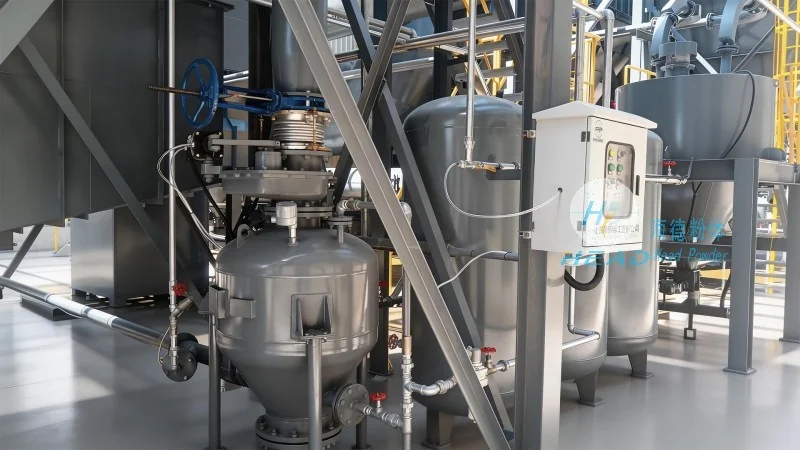
Understanding the Pneumatic Conveying Principle for Glass Slag
The pneumatic conveying line for glass slag operates on the principle of transporting bulk materials through a pipeline using a gas stream, typically air or a combination of air and other gases. There are two primary modes of pneumatic conveying: suction (or vacuum) and pressure (or positive) systems. In the case of glass slag, which often has irregular shapes and varying particle sizes, the choice of system depends on factors like the distance to be covered, the required material flow rate, and the overall system layout. The suction system draws material from the source using a vacuum, while the pressure system pushes material through the pipeline using compressed air. Both methods rely on the creation of a low-pressure or high-pressure environment to generate the necessary airflow that propels the glass slag particles forward.
Key Working Scene Characteristics of Glass Slag Pneumatic Conveying Lines
The working scene characteristics of a pneumatic conveying line for glass slag are shaped by several critical factors that influence its efficiency, reliability, and suitability for specific industrial applications. These characteristics include:
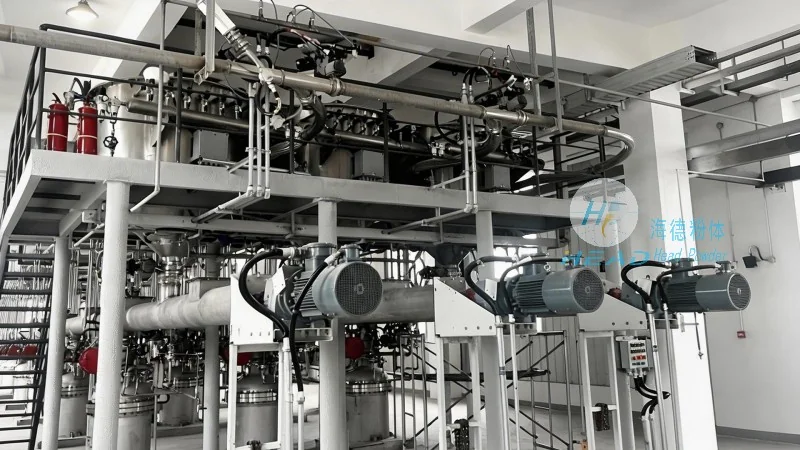
1. Material Handling Efficiency and Throughput
Efficiency in material handling is a primary characteristic, as glass slag often requires high throughput rates, especially in recycling and waste management facilities. The design of the conveying line, including the size of the pipeline, the velocity of the air stream, and the configuration of the feed and discharge points, directly impacts the system's ability to maintain consistent material flow. Advanced engineering ensures that the line can handle varying particle sizes and densities of glass slag without clogging or loss of efficiency.
2. System Reliability and Maintenance Requirements
Reliability is paramount in industrial operations, and the pneumatic conveying line for glass slag is engineered to minimize downtime and maintenance needs. Features such as robust material handling components, including high-quality valves, filters, and cyclone separators, contribute to long-term operational stability. The system is designed to withstand the abrasive nature of glass slag, which can otherwise cause wear and tear on conventional equipment. Regular maintenance, however, remains essential to ensure optimal performance and extend the service life of the components.
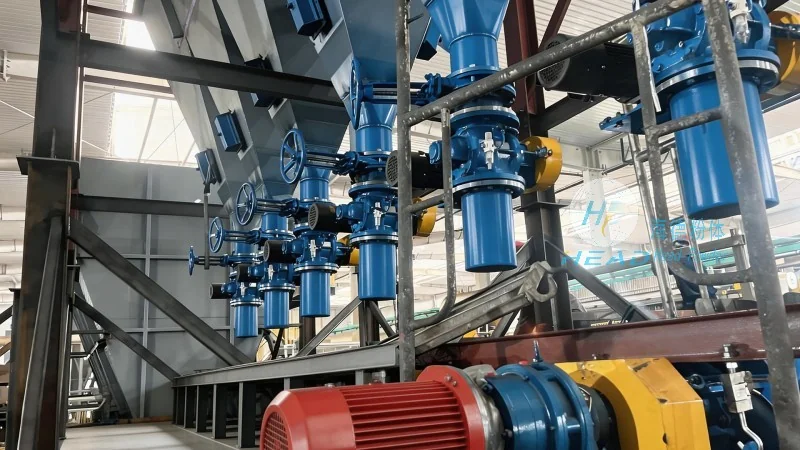
3. Application-Specific Adaptability
The working scene characteristics also reflect the adaptability of the system to diverse industrial settings. For instance, in glass recycling plants, the conveying line may need to transport glass slag from crushing and sorting stages to storage or further processing units. In waste management facilities, it could be used to move glass waste from collection points to recycling centers. The flexibility of the system allows for integration with existing infrastructure and processes, making it a versatile solution for various applications.
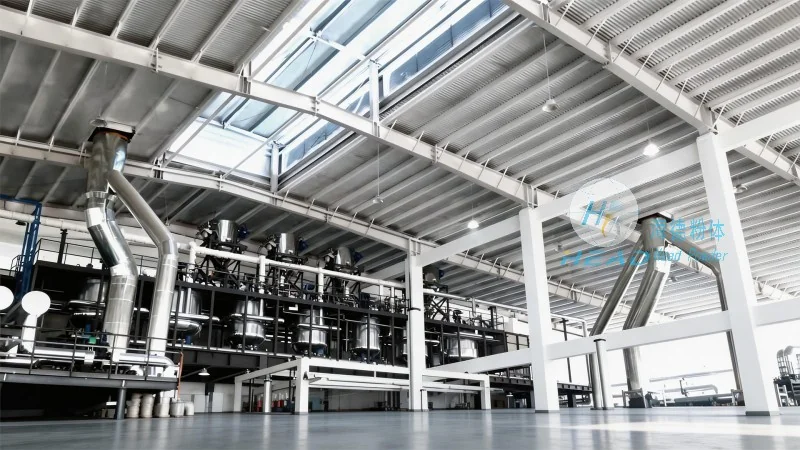
4. Environmental and Safety Considerations
Environmental and safety aspects are integral to the working scene characteristics. Pneumatic conveying lines for glass slag are designed to minimize dust emissions and noise pollution, which are common concerns in material handling operations. The use of sealed pipelines and effective filtration systems helps maintain a clean working environment. Additionally, safety features such as pressure relief valves and emergency shutdown mechanisms are incorporated to protect operators and equipment from potential hazards associated with high-pressure air systems.
Conclusion
HeadPowder's pneumatic conveying line for glass slag material exemplifies advanced engineering tailored to the unique challenges of handling this specific material. By understanding the fundamental principles of pneumatic conveying and leveraging the working scene characteristics, industries can achieve efficient, reliable, and safe material transport solutions. As a company based in Shandong, China, HeadPowder continues to innovate in material handling technologies, providing tailored solutions that meet the evolving needs of industrial applications.