

Principle and Working Scene Characteristics of Diatomite Material Handling System Equipment
HeadPowder, a leading provider of industrial material handling solutions, specializes in the design and manufacturing of advanced diatomite material handling systems. These systems are engineered to efficiently transport diatomite, a natural sedimentary rock composed of fossilized diatoms, which is widely used in filtration, insulation, and other industrial applications. The following article explores the fundamental principles behind these systems and highlights the key working scene characteristics that define their operational effectiveness.
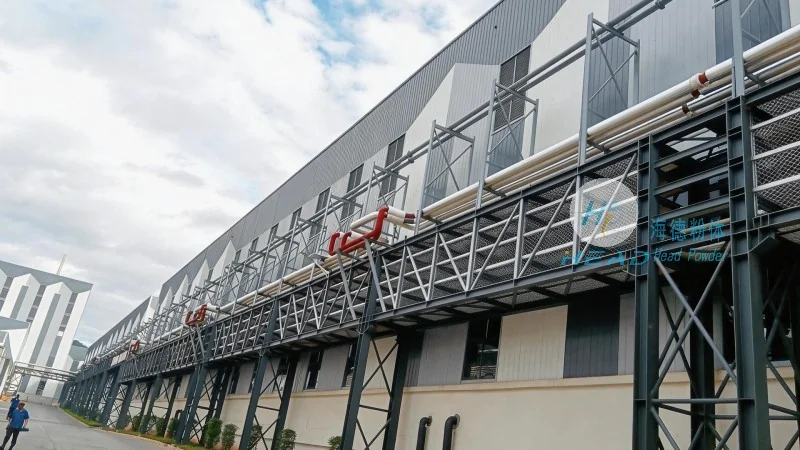
Core Principles of Diatomite Material Handling Systems
The diatomite material handling system operates on the principle of mechanical transport, utilizing a combination of conveyor mechanisms, feeding devices, and control systems to move diatomite from storage or processing areas to end-use destinations. The system's design prioritizes efficiency, reliability, and safety, ensuring that the delicate nature of diatomite—often with fine particles and varying moisture content—is handled without degradation or contamination. Key components include belt conveyors, screw conveyors, and pneumatic transport systems, each tailored to the specific physical properties of diatomite. For instance, belt conveyors are commonly used for bulk material transport over short to medium distances, while screw conveyors excel in vertical or inclined transport, minimizing material breakage. Pneumatic systems, on the other hand, are ideal for transporting fine diatomite powders, leveraging air pressure to move particles through pipelines with minimal friction.
Working Scene Characteristics and Operational Advantages
The working scene characteristics of diatomite material handling systems are shaped by the unique demands of industrial applications, particularly in the filtration and chemical processing sectors. These systems are typically deployed in environments where consistent material flow and low maintenance are critical. One notable characteristic is their adaptability to varying diatomite qualities, such as different particle sizes and moisture levels, which can affect handling efficiency. The systems are designed to maintain consistent material velocity and pressure, ensuring that diatomite is transported without clogging or blockages. This adaptability is crucial in industrial settings where diatomite may be sourced from different locations or processed through various stages, requiring flexible handling solutions.
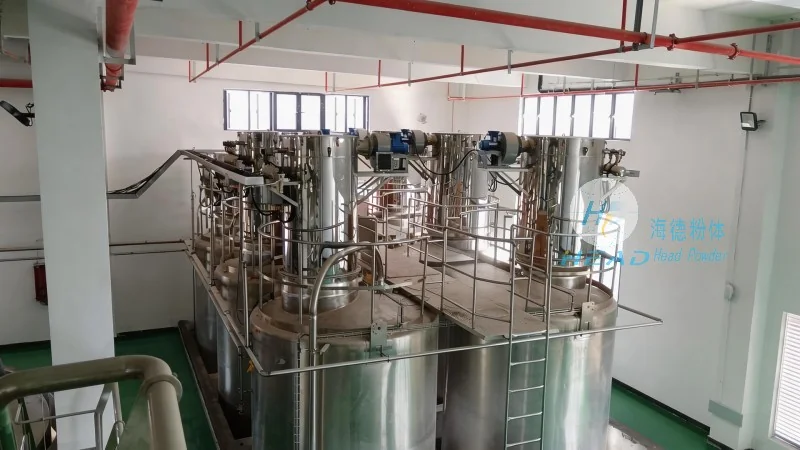
Another key characteristic is the emphasis on energy efficiency and operational cost reduction. Modern diatomite material handling systems incorporate energy-saving technologies, such as variable speed drives and optimized conveyor designs, to reduce power consumption while maintaining performance. This not only lowers operational costs but also aligns with sustainability goals in industrial operations. Additionally, the systems are built for durability and long-term reliability, with robust construction materials and regular maintenance protocols to minimize downtime. The result is a system that delivers consistent performance over extended periods, making it a cost-effective solution for diatomite handling needs.
Application-Specific Design and Customization
HeadPowder's diatomite material handling systems are tailored to meet the specific requirements of each application, ensuring optimal performance in diverse working environments. For example, in filtration plants, the system may be designed to handle diatomite with high moisture content, using specialized feeding mechanisms to prevent material buildup on conveyor belts. In contrast, for insulation material production, the system might focus on preserving the diatomite's fine particle structure, employing gentle handling techniques to avoid particle agglomeration. The customization process involves thorough analysis of the material's physical properties, the operational environment, and the end-user's specific needs, resulting in a system that is both efficient and reliable.
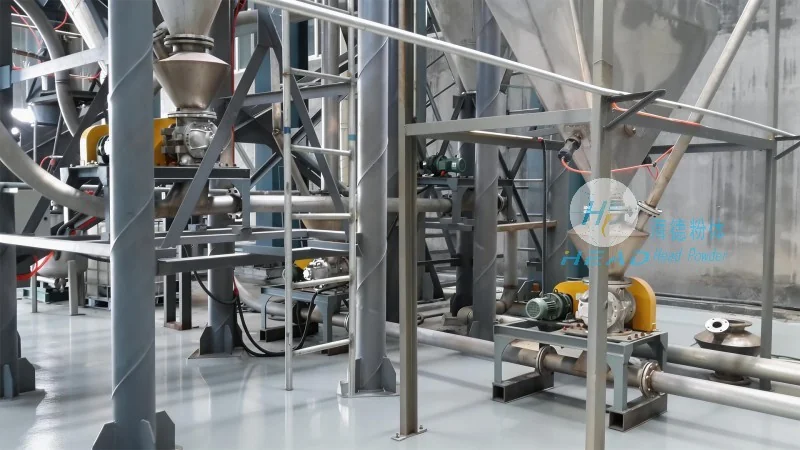
The working scene characteristics also include considerations for safety and compliance with industrial standards. Diatomite material handling systems are equipped with safety features such as emergency stop buttons, overload protection, and dust suppression systems to mitigate risks associated with handling fine powders. These features are essential in environments where dust can pose health hazards or interfere with equipment operation. By adhering to safety regulations and incorporating advanced control systems, HeadPowder ensures that its diatomite material handling systems meet the highest industry standards, providing peace of mind to users.
Conclusion: The Role of Diatomite Material Handling Systems in Industrial Efficiency
In conclusion, the diatomite material handling system, as developed by HeadPowder, represents a sophisticated solution for the efficient and reliable transport of diatomite in industrial settings. By integrating advanced mechanical principles, adaptive design, and energy-efficient technologies, these systems address the unique challenges of diatomite handling while delivering consistent performance. The working scene characteristics, including adaptability, durability, and safety, make them indispensable in industries where diatomite is a critical raw material. As a result, HeadPowder's diatomite material handling systems contribute significantly to industrial efficiency, enabling seamless material flow and supporting the success of businesses in the filtration, chemical, and other sectors.