

Principle and Application Characteristics of Petroleum Coke Powder Pneumatic Conveying Equipment
At Shandong HeadPowder Engineering Co., Ltd., we specialize in the design and manufacturing of advanced pneumatic conveying systems tailored for handling petroleum coke powder. This equipment is crucial in industrial applications where efficient and reliable material transport is essential. The following sections will delve into the fundamental principles of operation and the specific application scenarios where such systems excel.
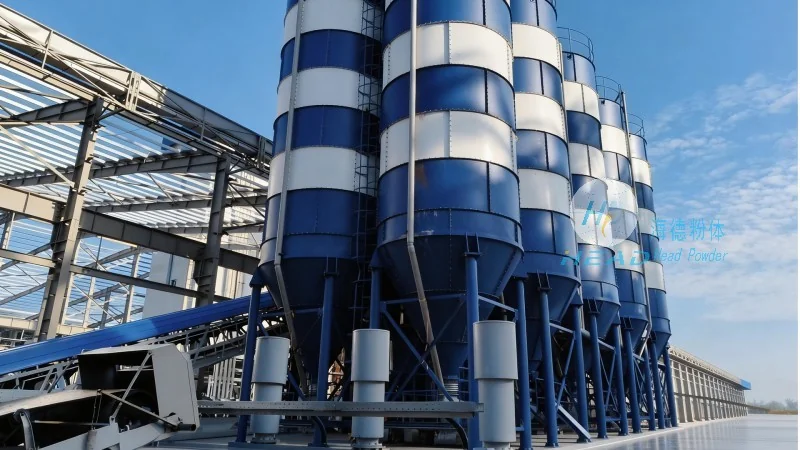
Principle of Pneumatic Conveying for Petroleum Coke Powder
The core principle of pneumatic conveying involves transporting bulk materials like petroleum coke powder through a pipeline using air or gas as the conveying medium. Unlike traditional mechanical conveying methods, which rely on physical contact and friction, pneumatic systems utilize the force of moving air to move the material. This method offers several advantages, including reduced equipment wear, lower maintenance requirements, and the ability to handle materials with high moisture content or abrasive properties. The system typically consists of a hopper, a feeder, a pipeline, and a receiver. The material is fed from the hopper into the pipeline, where it is entrained by the high-velocity air stream. The air and material mixture travels through the pipeline to the receiver, where the material is separated from the air and collected.
Key Components and Their Functions
Each component of the pneumatic conveying system plays a critical role in ensuring efficient operation. The hopper serves as the storage container for the petroleum coke powder, providing a consistent feed to the system. The feeder, often a rotary valve or a screw feeder, controls the flow rate of the material into the pipeline, preventing overloading and ensuring smooth operation. The pipeline is the main conduit for transporting the material, and its design (e.g., diameter, length, and bends) is optimized to minimize pressure drop and maintain the air velocity necessary for conveying. The receiver is where the material is collected after being separated from the air, typically equipped with a dust collection system to ensure environmental compliance.
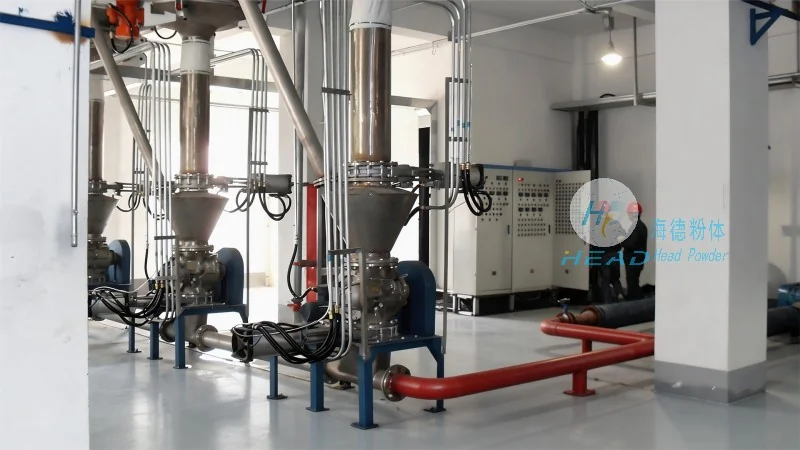
Application Characteristics in Industrial Settings
Pneumatic conveying systems for petroleum coke powder are widely used in various industrial applications due to their adaptability and efficiency. One of the primary applications is in the petrochemical industry, where petroleum coke is a byproduct of the coking process. The material is often transported from storage silos to processing units or to other facilities for further use. Another common application is in the steel industry, where petroleum coke is used as a fuel or a raw material in blast furnaces. The ability of pneumatic systems to handle large volumes of material with minimal downtime makes them ideal for these high-throughput operations.
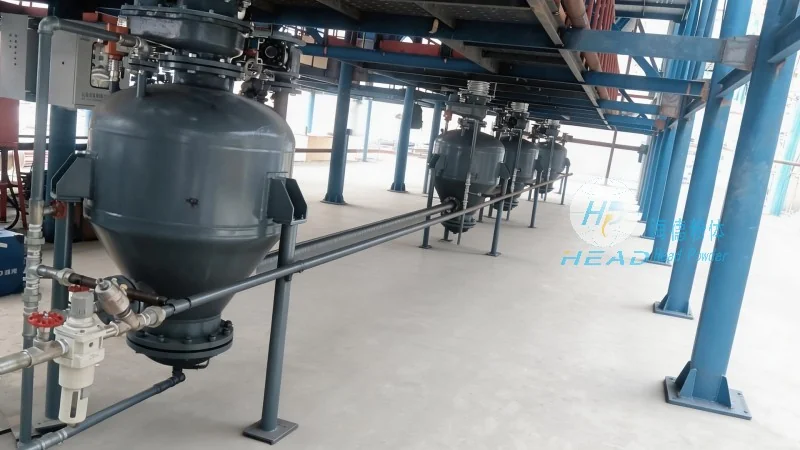
Advantages and Considerations for Petroleum Coke Powder Handling
When selecting a pneumatic conveying system for petroleum coke powder, several factors must be considered to ensure optimal performance. The first is the material's properties, such as its density, particle size, and moisture content, as these affect the conveying velocity and pressure requirements. The second is the system's capacity, which must match the production needs of the facility. Additionally, the system's design must account for the potential for material buildup or blockages, especially in pipelines with bends or changes in diameter. Despite these considerations, pneumatic conveying offers significant advantages over other methods, including lower energy consumption compared to mechanical conveying, reduced labor costs due to automated operation, and the ability to transport materials over long distances without the need for intermediate storage.
Conclusion and Company Expertise
Shandong HeadPowder Engineering Co., Ltd. has extensive experience in designing and implementing pneumatic conveying systems for petroleum coke powder. Our team of engineers uses advanced technology and rigorous testing to ensure that each system meets the specific needs of our clients. By leveraging our expertise in material handling and industrial engineering, we provide reliable and efficient solutions that enhance productivity and reduce operational costs. Whether for new installations or system upgrades, our pneumatic conveying equipment is designed to deliver consistent performance and long-term value.